Selling a Flood-Damaged Car
Yes, you can usually sell a flood-damaged car. The key is to be honest about the damage, compare buyers, and confirm payment, towing, and fees in writing before anyone picks up the vehicle.
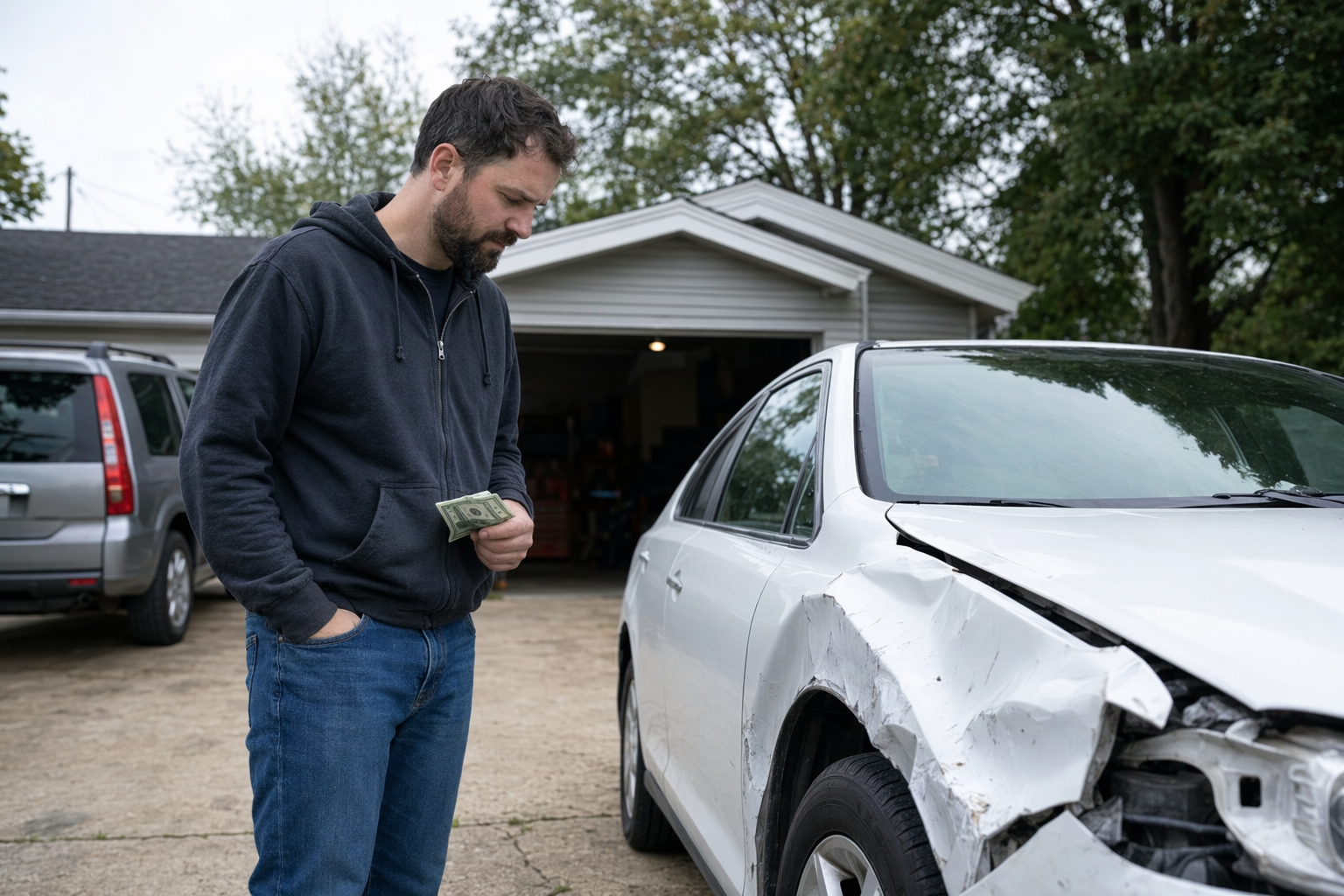
The short answer: yes, but flood damage changes the value
A flood-damaged car can still have value, even if it will not start. Some vehicles sell as repairable units. Others sell for parts or scrap weight. What you get depends on the year, make, model, condition, location, weight, and current scrap and parts prices.
Typical ranges are often:
- $150-$900 for a wrecked or flood-damaged car
- $150-$600 for a non-running vehicle with major mechanical or electrical issues
- $100-$500 if the vehicle is mostly worth scrap metal
- $250-$1,200 for heavier trucks and SUVs when weight matters more
Those are estimates, not offers. A newer flood car with usable body panels, wheels, modules, or a strong drivetrain may land higher. An older car with deep interior water damage, electrical corrosion, mold, and missing parts may land lower.
If you want a general baseline first, check how junk car prices work or start with a free vehicle value estimate.
What buyers look at on a flood-damaged car
Flood damage is not all the same. A car that got water only in the carpet is different from one that sat in deep water up to the dash. Licensed buyers usually look at a few big things.
Water level matters
- Water below the door sills may still damage carpet, padding, and some wiring.
- Water to the seats or dashboard can affect computers, airbags, sensors, and the fuse box.
- Saltwater usually causes more corrosion than freshwater.
Running vs. non-running matters
- If the engine starts and the car moves, the range may be higher.
- If the engine hydrolocked, the starter is dead, or electronics are failing, the value usually drops.
Completeness matters
- A car with catalytic converter, wheels, battery, and major components still in place is usually worth more than one with parts removed.
Paperwork matters
- Whether you have a title can affect who can legally buy the car and what they can pay.
- Title and lien rules vary by state, so confirm your state requirements with the DMV. This is general information, not legal advice.
Damage beyond flooding matters
A flood car that was also wrecked, has a blown engine, or sat for months with mold will usually be valued more like a non-running or damaged vehicle than a clean-body flood car.
If your car also has collision damage, this guide to selling a damaged or wrecked car may help too.

How to sell it without getting burned
People get in trouble with flood cars when they rush, hide details, or trust a vague promise over the phone. Keep it simple and protect yourself.
- Describe the damage clearly. Say if the water reached the floor, seats, dash, or above. Say whether it starts, drives, or only turns over. Mention mold, warning lights, and missing parts.
- Take clear photos. Get all four sides, interior, odometer, engine bay, and the water line if you can see it. Good photos help you avoid last-minute price drops.
- Compare more than one buyer. ScrapRoute helps you get matched with licensed salvage yards, auto recyclers, and cash-for-cars buyers at no cost, so you compare offers and choose. Start here: get matched.
- Ask what is included. Confirm the price, towing, pickup window, and any fees in writing before pickup. Free towing is common, but not universal in every situation.
- Verify the license yourself. Deal only with licensed, insured buyers. Do not just take someone's word for it.
- Protect your title and ID. Keep them safe. Do not hand over the title or keys until you are paid.
- Remove personal items. Check the glove box, trunk, under seats, and garage opener.
- Ask about title steps in your state. Some states have special rules for liens, lost titles, or releasing plates. Confirm with your DMV. This is general information, not legal advice.
If you want a safer checklist before pickup, read how to avoid junk car scams.
What to do next if the car is not worth fixing
If the repair bill is too high, selling may be the cleanest option. Here is a practical way to move forward.
Option A: sell the whole car
This is usually the easiest path when the vehicle has major electrical issues, mold, or uncertain engine damage. A matched licensed buyer may want it for recycling, parts, or scrap. If the car does not run, this page on selling a non-running car can help you prepare.
Option B: keep the car and look for used parts
Sometimes the best move is to repair only what makes sense. If flood damage is limited and you need a replacement engine, transmission, door, seat set, or electronics, you may be able to save money with recycled parts. ScrapRoute can also help you find used auto parts. Typical ranges: a used engine is often a few hundred to about $1,500 installed-ready depending on the vehicle, and a used transmission is often about $300-$1,200.
Before pickup day
- Take photos of the vehicle condition.
- Remove plates if your state requires it.
- Take out toll tags and personal documents.
- Confirm who is coming, when they are coming, and how payment works.
- Make sure the written terms match what you agreed to.
If towing is part of the deal, read how free towing works so you know what questions to ask.
The main thing: you are not stuck with a flood car. Be honest about the damage. Compare buyers. Verify the license. Get everything in writing. Then decide what works best for you.
If your flood-damaged car is not worth fixing, you can still usually sell it. Be honest about the water damage, compare licensed buyers, verify the license yourself, and do not give the title or keys until you are paid and the towing details and any fees are in writing.
Common questions
Can I sell a flood-damaged car if it does not run?
Usually yes. Many flood-damaged cars are sold as non-running vehicles for parts or scrap. Typical ranges are often around $150-$600 for a non-running car, but the real amount depends on the year, make, model, condition, weight, location, and current scrap and parts prices.
Should I tell the buyer the car was flooded?
Yes. Always disclose flood damage honestly. If you hide water damage, buyers may lower the amount at pickup or refuse the vehicle. Clear photos and a simple description of the water level, whether it starts, and what no longer works can help avoid surprises.
What if I do not have the title?
Some licensed buyers can work with certain no-title situations, but rules vary a lot by state. Lien status matters too. Confirm your state's title requirements with the DMV and deal only with licensed, insured buyers. Do not hand over keys or the vehicle before payment and written terms are confirmed.
Is free towing always included for a flood-damaged car?
Not always. Free towing is common, especially for non-running cars, but you should confirm it in writing before pickup. Ask whether there are any mileage limits, access issues, storage charges, or other fees so there are no surprises.