Sell a junk or end-of-life car
If your car is old, damaged, non-running, or just not worth fixing, you may still be able to turn it into cash. ScrapRoute helps you get matched, free, with licensed buyers so you can compare options and choose what works for you.
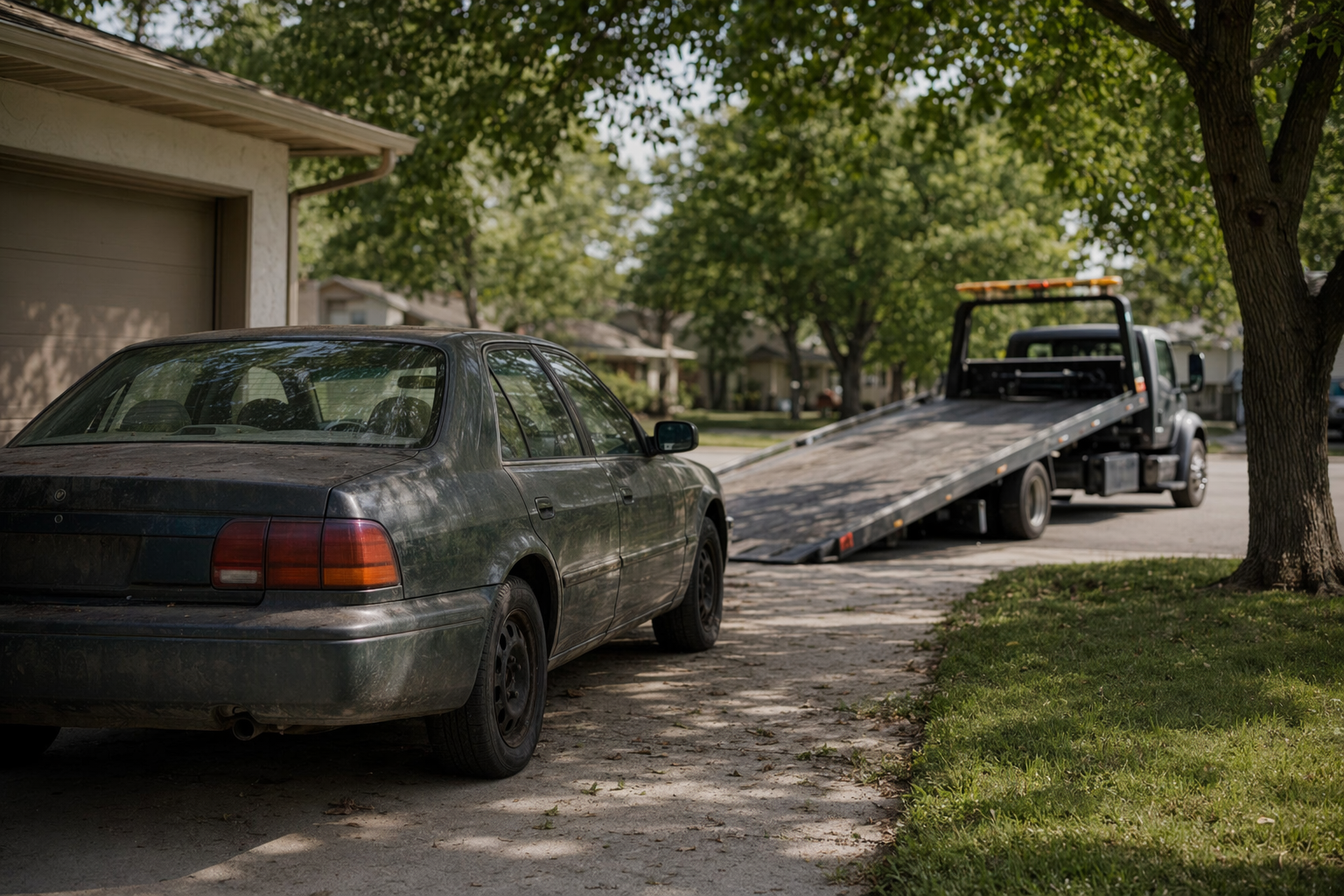
What ScrapRoute does
ScrapRoute is a free matching service. We help connect car owners with licensed salvage yards, auto recyclers, and cash-for-cars buyers in the US. You compare who responds, ask questions, and decide who you want to deal with.
We do not buy cars, tow cars, sell parts, transfer titles, or set the final price. The real amount any buyer may pay depends on the year, make, model, condition, weight, location, and current scrap and parts prices.
If you want to start now, you can get matched here or learn more about how junk car prices work.
This service is also helpful for many new immigrants and non-native-English speakers because it keeps the process simple: share basic vehicle and contact details, compare responses, and confirm everything in writing before pickup.
What kind of car can you sell?
A lot of cars still have value even when they are near the end of the road. Buyers may look at the car as a whole vehicle, a parts vehicle, or mostly scrap metal.
Common examples include:
- Old cars with high miles
- Cars that still run but need expensive repairs
- Non-running cars with a dead battery, bad starter, or blown engine
- Wrecked cars after a crash
- Flood-damaged cars
- Cars with transmission failure
- Cars sitting for months or years
- Heavier trucks and SUVs that have scrap-weight value
A rough guide for typical ranges, not offers or guarantees:
- Older running car sold whole: about $300-$1,500
- Non-running car or dead engine: about $150-$600
- Wrecked or flood car: about $150-$900
- Scrap-only vehicle: about $100-$500
- Heavier trucks and SUVs by weight: about $250-$1,200
If your vehicle does not run, see non-running car help. If it was hit, flooded, or badly damaged, see selling a damaged or wrecked car.
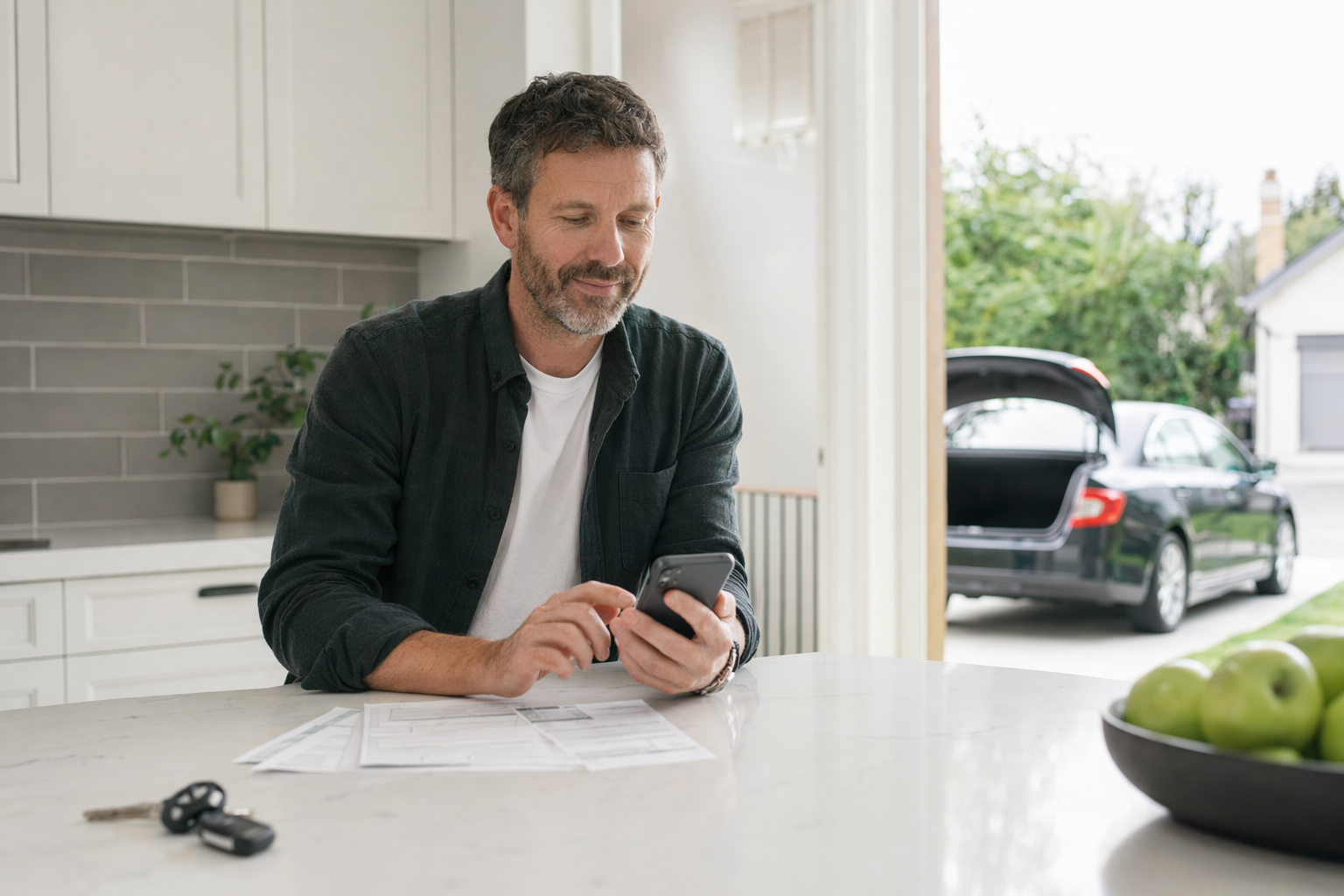
How the process usually works
Selling an end-of-life car is often simpler than people expect, but it helps to do it in the right order.
- Share basic vehicle details. Usually the year, make, model, whether it runs, major damage, and your location are enough to start. You should not need to give sensitive information like bank account numbers or SSNs.
- Get matched with licensed buyers. Participating buyers may review the details and tell you whether they are interested.
- Compare the responses. Look at the amount, whether towing is included, how fast pickup can happen, and what paperwork they say they need.
- Verify the buyer yourself. Confirm the business is licensed and insured. Do not skip this.
- Get the details in writing. Before pickup, confirm the amount, towing terms, and any fees in writing.
- Get paid before handing over the title or keys. Keep your title and ID safe until payment is made.
You can also check your car's general value range at car value help before you choose a buyer.
What affects the price most
Two cars that look similar can bring very different numbers. That is normal. Buyers are looking at resale parts, scrap metal, transport costs, and how much work the vehicle will take.
The biggest factors are:
- Year, make, and model: Some vehicles have better used-parts demand than others.
- Condition: Running cars often bring more than non-runners. Big damage, flood exposure, missing parts, and fire damage can lower value.
- Weight: Heavier vehicles may bring more when the value is mostly scrap metal.
- Location: Local demand, distance from the yard, and towing logistics matter.
- Current scrap and parts prices: These change over time.
- Completeness: A car with its catalytic converter, wheels, battery, engine, and transmission still present may be worth more than one with major parts missing.
- Paperwork: Title status can affect who is willing to buy and what process they can follow.
If your car still has useful components, the buyer may value it for parts instead of just weight. That is one reason it helps to compare more than one response instead of taking the first number you hear.
If you are replacing the car and need affordable repair parts for another vehicle, ScrapRoute can also help you find used auto parts, including used engines and transmissions.
Pickup, towing, and paperwork
Many end-of-life vehicle sales include towing, but free towing is not automatic. Some buyers include it. Some may only include it within a certain distance. Others may subtract transport costs. Always ask.
Before any pickup, confirm these points in writing:
- The exact amount they say they plan to pay
- Whether towing is included
- Any extra fee for stairs, winching, long distance, missing wheels, or difficult access
- When pickup will happen
- What documents they expect you to have ready
For paperwork, title rules and lien rules vary by state. In some places a title is required. In others there may be a different process for older vehicles or special situations. Confirm your state's rules with the DMV. This is general information, not legal advice.
A good starting point is title transfer basics and free towing explained.
Questions to ask before you say yes
A short phone call can save a lot of trouble. Ask direct questions and write down the answers.
Useful questions:
- Are you licensed and insured to buy this type of vehicle in my state?
- Is the amount you gave based on the car being complete and in the condition I described?
- Is towing included, or will anything be deducted?
- When will I be paid, and in what form?
- What paperwork do I need to show at pickup?
- If the driver arrives and says the amount is lower, can I refuse the pickup?
- Do you need the title signed before payment, or will payment happen first?
You should stay in control of the sale. You compare offers. You choose the buyer. You confirm the terms. If the answers are vague, rushed, or keep changing, move on to someone else.
How to stay safe and avoid lowball problems
Most bad experiences happen at pickup, not at the first phone call. A number sounds fine, then the driver shows up and tries to cut it because the seller feels stuck. You can reduce that risk.
- Verify the license yourself. Do not rely only on what someone says over the phone.
- Keep your title and ID safe. Only show what is needed.
- Never hand over the title or keys until you are paid.
- Confirm the amount, towing, and any fees in writing before pickup.
- Remove personal items from the car before the truck arrives.
- Take photos of the vehicle and its condition before pickup.
- If the buyer changes the deal on site, you can say no.
If something feels off, trust that feeling. A real licensed buyer should be able to explain the process clearly. For more tips, read how to avoid junk car scams or start with selling a junk car.
If your old or damaged car is not worth fixing, you may still be able to get cash for it. Use ScrapRoute to get matched for free with licensed buyers, compare the typical value, verify the buyer yourself, and make sure payment, towing, and fees are confirmed in writing before pickup.
Common questions
How much is a junk or end-of-life car usually worth?
Typical ranges are broad and depend on the year, make, model, condition, weight, location, and current scrap and parts prices. As a rough guide, an older running car might be around $300-$1,500, a non-running car around $150-$600, a wrecked or flood car around $150-$900, and scrap-only around $100-$500. Heavier trucks and SUVs can sometimes be around $250-$1,200. These are estimates, not offers or guarantees.
Can I sell a car that does not run?
Yes, many buyers are interested in non-running cars. A car may still have value for parts or scrap even with a bad engine or transmission. The final amount depends on what is wrong with it, whether major parts are missing, your location, and whether towing is included.
Do I need a title to sell my car?
Maybe, but the rules vary by state and by vehicle situation. Some states require a title for most sales. Others may have different rules for older vehicles or special cases. Confirm your state's title and lien rules with the DMV. This is general information, not legal advice.
Should I accept the first amount I hear?
Usually it is smarter to compare. Different buyers may value the same car differently based on parts demand, scrap prices, distance, and towing cost. Always verify the buyer is licensed and insured, and confirm the amount, towing, and any fees in writing before pickup. Never hand over the title or keys until you are paid.