Buying used auto parts safely
Used parts can save you real money, but only if you buy carefully. The safest move is to compare options, ask clear questions, and deal only with licensed, insured sellers you verify yourself.
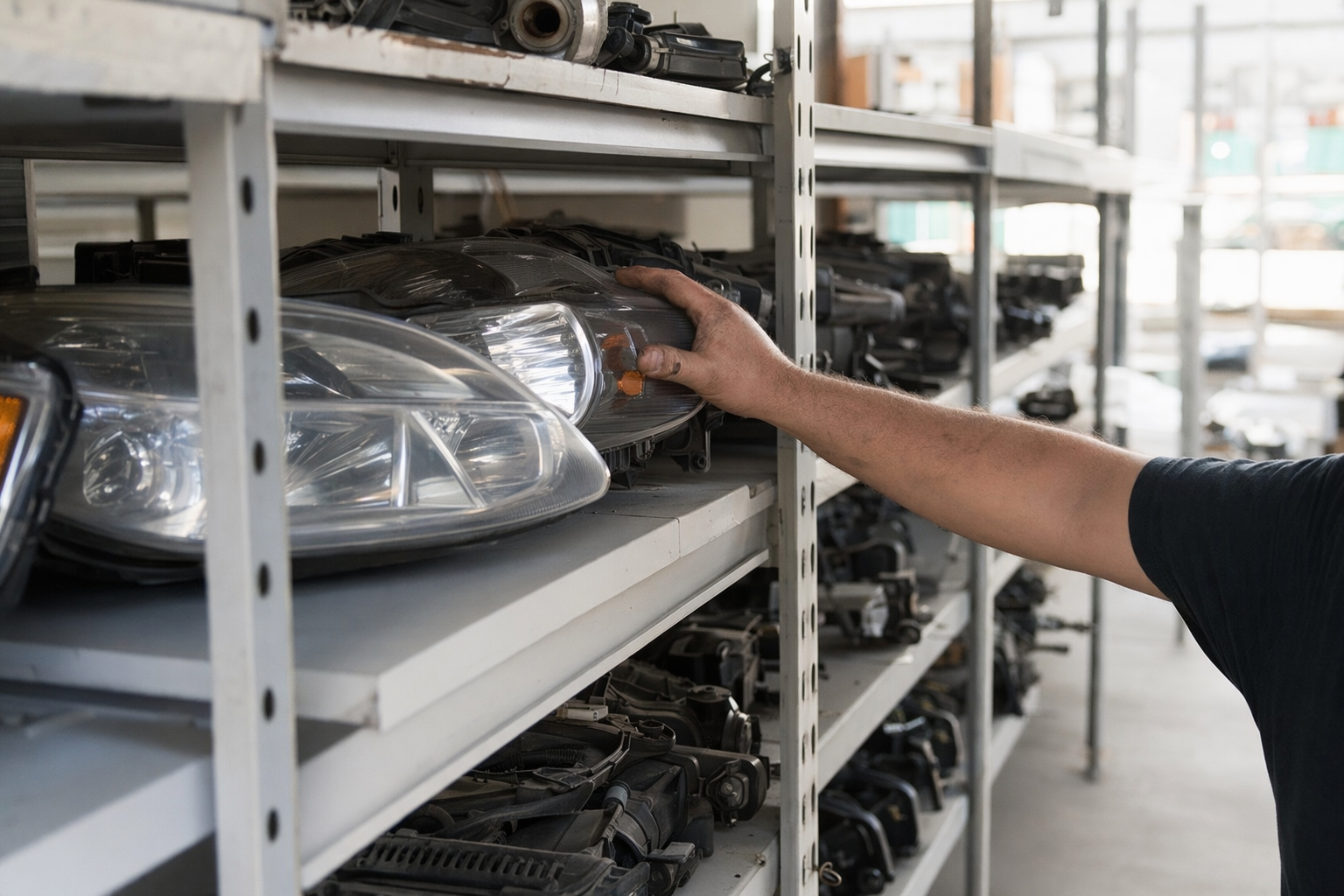
Why used parts can make sense
Used and recycled parts are often the best option when a new part costs more than the car is worth. That is common with older cars, work trucks, and vehicles with cosmetic damage but plenty of life left.
A good used part can help you keep the car on the road without taking on a huge bill. Common examples:
- A used engine may cost a few hundred dollars to around $1,500 installed-ready, depending on the year, mileage, condition, and local supply.
- A used transmission is often around $300-$1,200.
- Body parts, wheels, mirrors, lights, and interior pieces can also cost much less used than new.
But lower price does not always mean better deal. A cheap part with hidden damage, missing pieces, or no warranty can cost more after labor, delays, and return problems. If you need help comparing options, start with used parts search or learn more about used engines and transmissions.
What to check before you buy
The safest used-parts purchase starts with the right questions. Do not assume the part fits just because the seller says it should.
- Confirm exact fit. Ask for the year, make, model, engine size, trim, and any other details that affect fit. Small differences matter.
- Ask about condition in plain language. Was the donor vehicle wrecked in the front, rear, or side? Was it flooded? Was the part tested? Are there cracks, rust, leaks, broken tabs, or cut wires?
- Ask what is included. A low price may leave out sensors, brackets, mounts, harnesses, modules, or hardware.
- Ask about mileage when relevant. This matters most for engines, transmissions, differentials, and transfer cases.
- Ask about warranty and returns before paying. Get the length, what is covered, who pays return shipping or removal labor, and whether there is a restocking fee.
- Get the total price in writing. Confirm the part price, taxes, delivery charge, core charge, and any admin or handling fees.
If anything sounds vague, rushed, or inconsistent, slow down. A real business should be able to answer basic fit, condition, and warranty questions clearly.

Red flags that should make you stop
A lot of trouble starts when the buyer focuses only on the headline price. Watch for these warning signs:
- Bait-and-switch price changes. You were told one number, then the price changes when it is time to pay or pick up.
- Surprise fees. Admin fees, delivery fees, handling charges, core charges, or return fees appear late in the process.
- No proof of business license or insurance. Deal only with licensed, insured businesses, and verify the license yourself.
- Pressure to pay fast. If someone says "send payment now" before they answer fit and warranty questions, be careful.
- No written confirmation. If the condition, warranty, included parts, and total price are not in writing, you have little protection.
- Flood or wreck history brushed off. Water damage can ruin electronics and interiors. Impact damage can affect hidden mounting points.
- Fake or bounced checks in vehicle deals. If you are also selling a car, never trust a check just because it looks official.
- Pressure to sign title before payment. If you are selling your vehicle for cash to fund repairs or buy another car, never hand over the title or keys until you are paid.
- Unlicensed buyers showing up for a vehicle. If someone wants your car, asks for title and keys, and cannot show licensing, do not continue.
For more on common tricks in the vehicle-selling side of the market, read how to avoid junk car scams.
A simple safe process you can follow
You do not need to be a mechanic to protect yourself. Use a short checklist and keep everything in writing.
- Gather your car details. Year, make, model, engine size, transmission type, trim, and photos of the broken part if possible.
- Compare more than one source. Do not buy from the first person who answers unless the details are strong and the terms are clear.
- Ask the same questions each time. Fit, mileage, condition, what is included, warranty, return policy, and total out-the-door cost.
- Request photos when practical. For body panels, wheels, lights, interiors, and electronics, photos can save you a wasted trip.
- Get written confirmation. Text or email is fine if it clearly shows the part, condition, total price, and warranty.
- Use a payment method with a record. Keep receipts. Avoid cash with no paper trail unless you fully trust the business and get a receipt.
- Inspect before final acceptance when possible. Check connectors, mounting points, cracks, rust, and part numbers.
If your current car is too far gone and you are deciding whether to repair it or sell it, compare the likely value first at vehicle value.
Common mistakes people make
Most bad used-parts experiences come from a few preventable mistakes.
Mistake 1: Buying only by price. The cheapest part may have higher mileage, no testing, missing parts, or stricter return rules.
Mistake 2: Not checking who pays when something goes wrong. On a big item like an engine or transmission, return freight and labor can wipe out your savings.
Mistake 3: Ignoring the donor vehicle story. A clean-looking part from a flood car can still be a bad bet, especially electronics.
Mistake 4: Assuming all warranties mean the same thing. One seller may offer exchange only. Another may refund. Another may exclude labor completely.
Mistake 5: Mixing the parts deal with an unsafe vehicle sale. Some people sell the old car to cover repair costs. If you do that, remember the basics: deal only with licensed, insured buyers, verify the license yourself, keep your title and ID safe, never hand over the title or keys until you are paid, and confirm the cash amount, towing, and any fees in writing before pickup. Title and lien rules vary by state, so confirm your state's rules with the DMV. This is general information, not legal advice.
If you end up selling instead of fixing, you can review your options at get matched for a cash offer.
When it may be smarter to skip the repair
Sometimes the safest used-parts decision is not buying the part at all. If the car needs an engine, transmission, major body work, airbags, or flood-related electrical repair, the total bill can climb fast.
That does not mean you have no options. A damaged or non-running vehicle may still have value as a whole car, a parts car, or scrap depending on the year, make, model, condition, weight, location, and current scrap and parts prices. Typical ranges are only estimates, not offers. For example, an older running car sold whole may be around $300-$1,500, a non-running car with a dead engine around $150-$600, a wrecked or flood car around $150-$900, and scrap-only around $100-$500.
If you are on the fence, compare the repair path against the sale path. A free matching service can help you check both sides without locking you into anything: finding used parts, or getting matched with licensed buyers if the car is not worth fixing.
Used parts can save money, but ask clear questions, compare more than one option, and get the condition, warranty, and total cost in writing. If the repair bill is too high, compare that against selling the car, and only deal with licensed, insured buyers you verify yourself.
Common questions
How do I know if a used part will fit my car?
Match the year, make, model, engine size, transmission type, trim, and part details. Ask the seller to confirm fit in writing. Do not rely on a guess or a photo alone.
Are used engines and transmissions worth buying?
Sometimes, yes. They can save a lot versus new parts, but only if you ask about mileage, testing, warranty, what is included, and total cost. A lower sticker price is not always a better deal.
What should I get in writing before I pay?
Get the exact part description, condition, mileage if relevant, what is included, warranty terms, return policy, and the total price including any delivery, core, or admin fees. Written confirmation helps prevent disputes.
What if I decide not to repair the car and want to sell it instead?
Deal only with licensed, insured buyers and verify the license yourself. Keep your title and ID safe. Never hand over the title or keys until you are paid, and confirm the amount, towing, and any fees in writing before pickup. State title and lien rules vary, so check with your DMV. This is general information, not legal advice.