Cancel Insurance After You Sell
The short answer: **do not cancel your insurance before the sale is complete**. Wait until the buyer has paid you, taken the car, and the ownership paperwork is done under your state's rules.
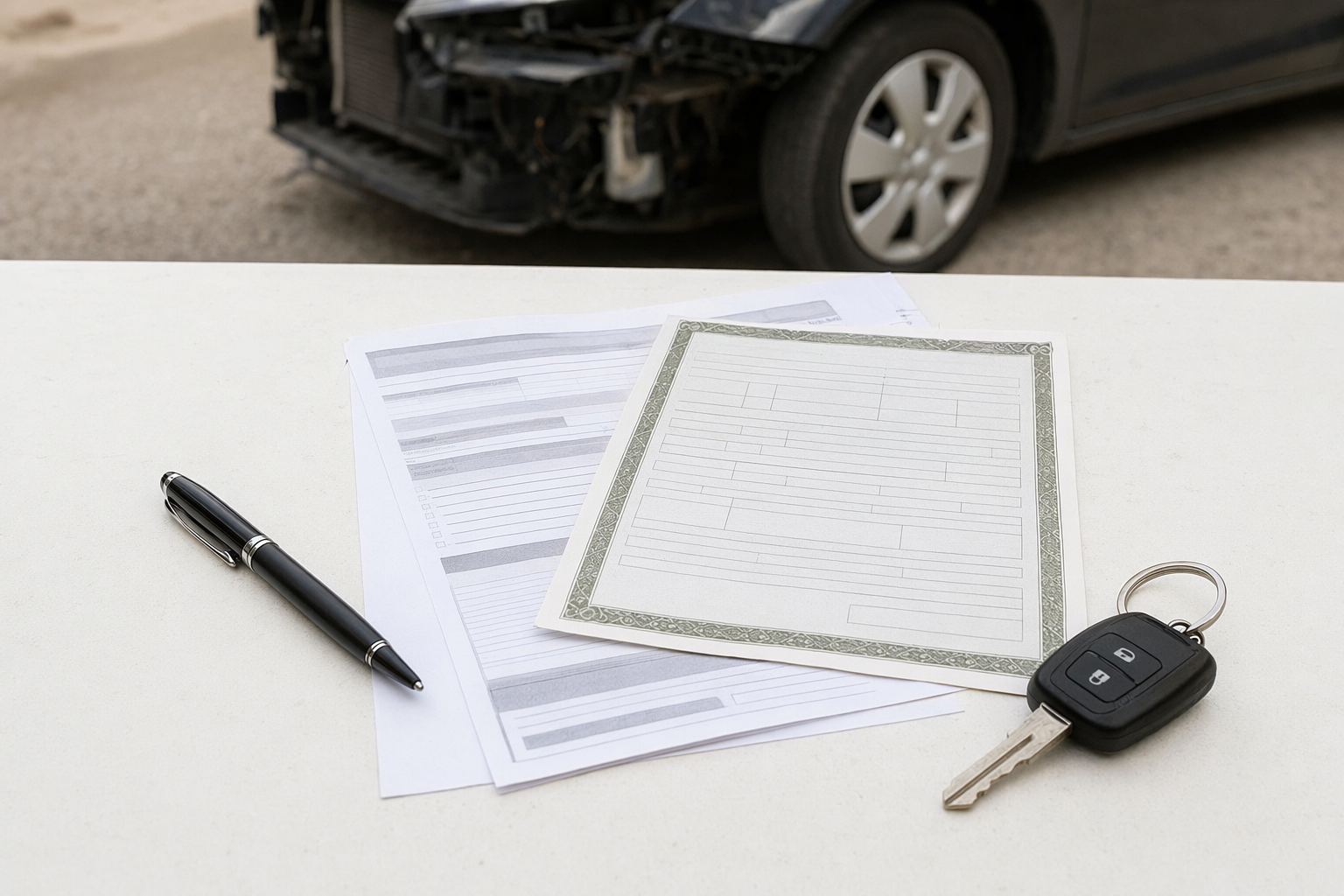
The short answer
If you are selling a junk, damaged, flooded, or non-running car, keep your policy active until the deal is fully finished. That means:
- You have been paid.
- The vehicle has been picked up or delivered.
- You have signed the title only as required by your state.
- You have removed your plates if your state requires it.
- You have proof of the sale, like a bill of sale, release form, or pickup receipt.
Why wait? Because if something goes wrong before the car officially leaves your responsibility, canceling too early can create a mess. The car could be damaged during pickup. A driver could show up late. A buyer could try to change the amount. In some states, registration, plates, and insurance rules connect in ways that can trigger fines or notices if you cancel in the wrong order.
If you are still comparing buyers, start with get-offer or learn how values usually work at how junk car prices work. Real cash paid by a licensed buyer depends on the year, make, model, condition, weight, location, and current scrap and parts prices.
Why canceling too early can hurt you
A lot of people think, "I sold it, so I can just stop coverage now." Sometimes that works. Sometimes it does not.
Here is where people get burned:
- The car is not really sold yet. You agreed on a number, but the buyer has not paid or picked it up.
- Pickup gets delayed. The car sits on your property another day or week.
- The paperwork is incomplete. The title is unsigned, signed wrong, or there is still a lien issue.
- State records still show the car under your name. That can matter for insurance and registration notices.
- The vehicle gets moved or damaged before handoff. If coverage is already gone, you may have no protection.
This is extra important with junk cars because many sales happen fast, by phone or text, with same-day or next-day pickup. Fast is fine, but safe is better. Deal only with licensed, insured buyers and verify the license yourself. Keep your title and ID safe. Do not hand over the title or keys until you are paid. Confirm the amount, towing, and any fees in writing before pickup.
If you want a safer process, compare options through a free matching service and read how to avoid junk car scams.

What to do before you call your insurer
Before you cancel, get your records in order. This makes the call easier and gives you proof if there is a mistake later.
- Get paid first. Cash, check, or another agreed payment method should be complete before you release the car.
- Keep written proof. Save texts, emails, the pickup receipt, and the signed bill of sale if you have one.
- Document the handoff. Take photos of the car, the odometer if readable, and the day it left.
- Check title rules in your state. Title and lien rules vary by state. Confirm your state's requirements with the DMV. This is general information, not legal advice.
- Remove personal items. Check the trunk, glove box, center console, toll tag, garage opener, charging cable, and license plates if your state requires plate removal.
- Ask about towing in writing. Many buyers include towing, but not always. Confirm any fees before pickup. See free towing explained for what that usually means.
If your title is missing, signed wrong, or still has a lien, fix that first or at least understand your state's process. Our title transfer guide can help you prepare questions before you speak with the DMV or a licensed buyer.
For people selling an older running car, a typical whole-car range might be about $300-$1,500. A non-running car with a dead engine may land around $150-$600. A wrecked or flood car may be around $150-$900. Scrap-only cars may be $100-$500. Heavier trucks and SUVs sometimes run about $250-$1,200 by scrap weight. These are typical estimates, not offers or guarantees.
How to cancel the policy the right way
Once the sale is done, cancel in a clean, simple order:
- Call your insurance company or agent. Tell them the vehicle was sold and ask for the cancellation date to start after the completed sale date if needed.
- Ask what proof they want. Many insurers may ask for the sale date, buyer information, or a document showing the vehicle left your ownership.
- Get confirmation in writing. Ask for an email or letter showing the cancellation date.
- Check for refunds or balances. If you prepaid, you may get unused premium back. Ask how and when.
- Make sure you are not canceling the wrong thing. If you own another car, you may want to remove only the sold vehicle, not the whole policy.
- Update any automatic payments. Check your bank or card so you do not keep paying by accident.
A few practical tips:
- If this was your only car, think about whether you still need any insurance at all. Some people still want non-owner coverage later, but ask your insurer what fits your situation.
- If you are replacing the car soon, ask about transferring coverage instead of fully canceling everything.
- If your state requires notice after a sale, send it promptly so state records match the insurance change.
If you are still trying to sell the vehicle, sell your junk car is a good place to start comparing licensed local options at no cost.
What to do next if you have not sold the car yet
If the car is still sitting there, do not worry about canceling insurance first. Focus on closing the sale safely.
Here is the simple next move:
- Gather basic vehicle details and your contact information.
- Compare interested licensed buyers.
- Ask whether they buy your type of car: junk, non-running, wrecked, flood, or scrap-only.
- Confirm the amount, towing, and any fees in writing.
- Keep your title and keys until you are paid.
- Then finish the paperwork, and only after that contact your insurer.
You stay in control. You compare offers. You choose who to deal with. You confirm everything before pickup or payment. If your car will not start, sell a non-running car can help you understand the process before you talk to buyers.
And if you are on the other side of the problem — your old car is gone and now you need affordable parts for another vehicle — ScrapRoute can also help you find used parts.
A simple rule to remember
Cancel insurance after the sale is complete, not when the conversation starts. That one rule prevents a lot of headaches.
If you remember nothing else, remember this:
- Do not cancel before payment.
- Do not hand over title or keys before payment.
- Do not assume towing is free unless it is confirmed in writing.
- Do not guess on DMV rules. Check your state.
- Do keep proof of the sale and your cancellation confirmation.
That keeps things cleaner with the buyer, your insurer, and your state records.
Do not cancel your car insurance until the buyer has paid you, the car is picked up, and your paperwork is done. Save proof of the sale, check your state's plate and title rules, and get your cancellation confirmed in writing.
Common questions
Can I cancel insurance as soon as I agree to sell the car?
No. Wait until the buyer has paid you, the car is gone, and the ownership paperwork is handled under your state's rules. Canceling too early can leave you exposed if pickup is delayed or the deal falls apart.
Do I need proof of sale to cancel my insurance?
Maybe. Many insurers will ask for the sale date and may want supporting documents like a bill of sale, release form, or pickup receipt. Keep copies of everything. It is the easiest way to clear up mistakes later.
What if the car was junked, non-running, or sold for scrap?
The timing is the same. Keep coverage until the transaction is finished. Junk and scrap deals often move fast, but you still want payment completed, pickup done, and paperwork saved before you cancel.
Should I remove the license plates before canceling insurance?
In many states, yes, but rules vary. Some states want plates returned or transferred before you end insurance on that vehicle. Confirm your state's requirements with the DMV. This is general information, not legal advice.