How to Check a Used Part Before Buying
A used part can save real money, but only if it fits, works, and comes from a seller you trust. Here is a simple way to check a used part before you pay, especially if English is not your first language.
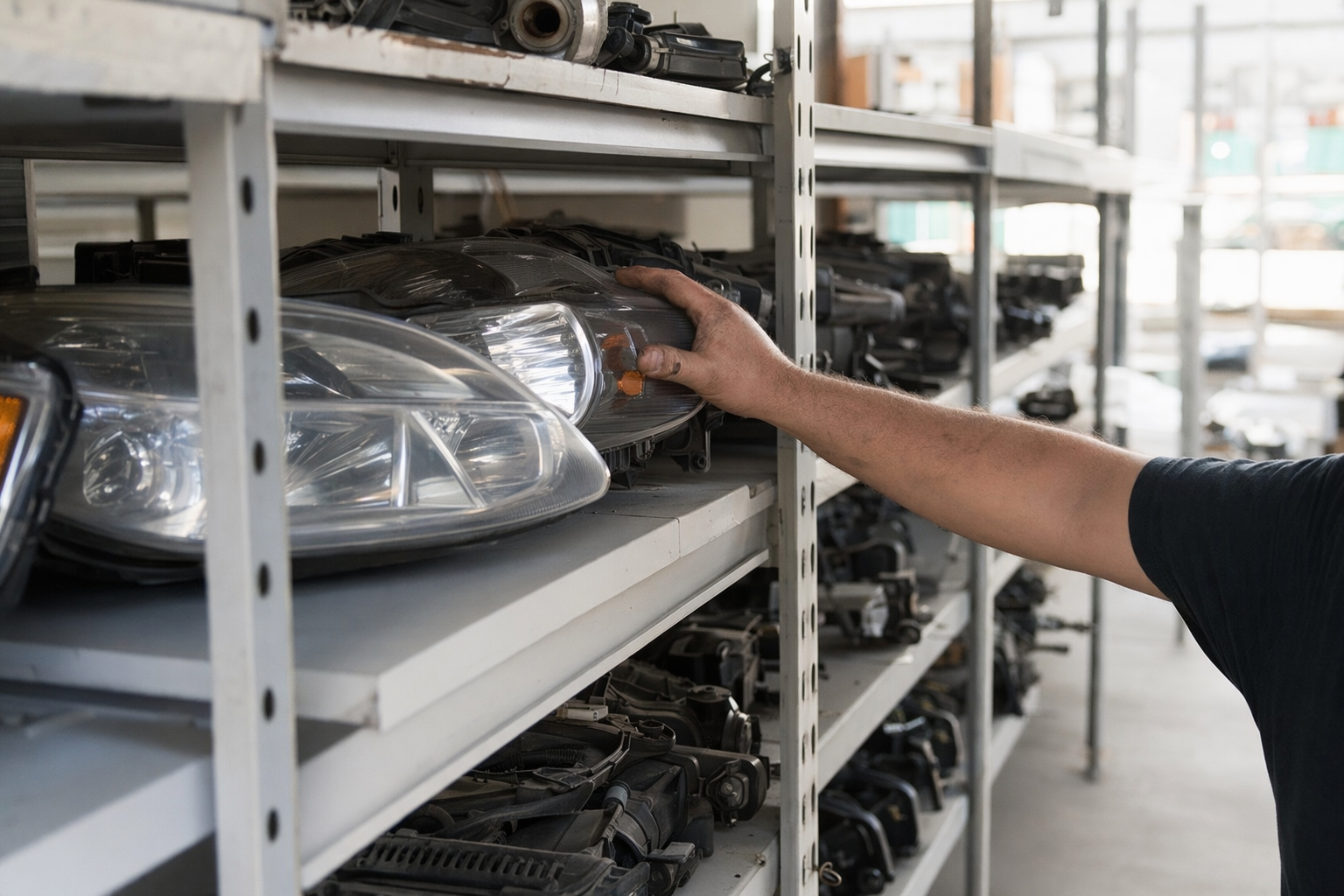
The short answer
Before you buy a used part, make sure it is the exact right part, inspect its condition, ask about testing and return terms, and deal only with a licensed, insured seller. If you are comparing options, start with used parts help so you can check more than one source.
A lot of problems come from simple mistakes:
- wrong engine size
- wrong trim or option package
- part looks similar but has a different connector
- hidden cracks, rust, or water damage
- no clear return policy
Used parts can be a smart buy. A used engine is often a few hundred dollars up to about $1,500 installed-ready depending on the vehicle and condition. A used transmission often runs about $300-$1,200. But low price alone does not make it a good deal. A cheap part that does not fit is not cheap.
If you are replacing a major component, it also helps to compare options for used engines and transmissions.
Start with exact match information
The first check is not visual. It is part identification.
Bring the seller the basic vehicle details:
- year
- make
- model
- engine size
- transmission type
- drive type if relevant, like FWD, RWD, AWD, or 4x4
- trim level if the part changes by trim
If you still have the old part, check for:
- original part number
- sticker or tag number
- connector shape and pin count
- mounting points
- sensor locations
Many parts changed in the middle of a model year. That is why "2014 sedan" is sometimes not enough. The same car may have two radiators, two alternators, or two mirrors depending on build date or options.
Good questions to ask the seller:
1. What vehicle did this part come from?
2. Will it fit my exact year, engine, and trim?
3. Do you have the part number or interchange number?
4. Are the connectors, brackets, and sensors included?
If the seller cannot clearly answer fit questions, slow down. Guessing is how people waste money.
For non-native English speakers, keep it simple: send a photo of your old part, a photo of the label if there is one, and your vehicle year, make, model, and engine. Ask them to confirm fit in writing by text or email.

How to inspect the part before you buy
If you can see the part in person, do a slow check. If buying from a distance, ask for clear photos from multiple angles. Not one photo. Several.
Check for damage first
- cracks in plastic or metal
- broken tabs, ears, studs, or bolt holes
- heavy rust, flaking corrosion, or swollen aluminum
- bent mounting points
- cut wires or damaged plugs
- missing covers, caps, pulleys, or sensors
Check wear next
- for brake or suspension parts, look for uneven wear and torn boots
- for an alternator or A/C compressor, spin the pulley if possible and listen for roughness
- for a starter, inspect terminals and housing for burns or damage
- for body parts, look for filler, bad repaint, hidden dents, and broken clips
- for lights, check tabs, lens cracks, moisture, and haze inside
For engines and transmissions, be more careful
- ask for mileage from the donor vehicle if known
- ask whether the unit was tested before removal
- ask whether it turns freely
- ask whether major accessories are included or sold separately
- ask whether there was crash, fire, or flood damage to the donor vehicle
Flood parts need extra care. Water can damage electronics, bearings, connectors, modules, and interior parts in ways you may not see right away.
A good seller should be able to tell you the condition in plain words, not just "good" or "used." They should explain what was checked, what is included, and what is not included.
Ask these questions before you pay
A used part purchase is safer when the details are clear before money changes hands.
Ask for these details in writing:
1. Exact part description and fit information
2. Condition of the part and any known defects
3. Whether the part was tested and how
4. What is included with the part
5. Return period and restocking rules
6. Who pays shipping if the part is wrong or defective
7. Any warranty terms, if offered
A few honest truths:
- A warranty on a used part is helpful, but it does not fix a wrong-fit problem by itself.
- "No returns" is risky for anything you cannot inspect well.
- Electronics, modules, and sensors often have stricter return rules.
- Shipping on heavy parts can erase any savings.
Also make sure you are dealing with a licensed, insured seller. Verify the license yourself if your state requires it. Keep your receipts, texts, photos, and invoice. That paper trail matters if there is a dispute.
If you are shopping major parts and need to compare more than one source, find used parts first. It can save time and help you avoid buying the first part you see.
Red flags and what to do next
Some warning signs mean stop and double-check.
Red flags
- seller refuses to confirm fit in writing
- only one blurry photo
- price is far below normal with no explanation
- no return terms at all
- part number is missing when it should be available
- visible damage but seller says "it should be fine"
- pressure to pay fast before you can compare
If you are not sure, do this:
1. Compare at least two or three sources.
2. Match the part number or interchange number.
3. Ask your mechanic to confirm the fit if the part is expensive.
4. Read return terms before paying.
5. Pay in a way that gives you a receipt.
If the part you need is tied to whether it makes sense to fix or sell the car, step back and compare both choices. Sometimes the smarter move is to sell the vehicle instead of putting more money into it. You can review typical vehicle values at car value estimates or see how prices are built in how junk car prices work.
The bottom line is simple: used parts are worth it when the fit is confirmed, the condition is clear, and the seller stands behind what they wrote down.
Before you buy a used part, make sure it matches your exact car, check photos or inspect it for damage, ask about testing and returns, and get the fit and terms in writing from a licensed, insured seller.
Common questions
How do I know if a used part will fit my car?
Use your year, make, model, engine size, transmission type, drive type, trim, and the old part number if possible. Ask the seller to confirm fit in writing. Photos of your old part and its connector can also help prevent mistakes.
Is it safe to buy a used engine or transmission?
It can be, but ask more questions than you would for a small part. Ask about donor vehicle mileage if known, whether the unit was tested, whether it turns freely, what accessories are included, and what the return terms are. A used engine often costs a few hundred dollars up to about $1,500 installed-ready depending on the vehicle and condition. A used transmission is often about $300-$1,200. Those are typical ranges, not guarantees.
What should I check in the return policy?
Check how many days you have, whether labor is excluded, whether electronics are final sale, whether there is a restocking fee, and who pays return shipping. For heavy parts, shipping costs can be a big deal, so read that part closely before you pay.
Should I buy the cheapest used part I can find?
Usually no. Very low prices can mean hidden damage, wrong fit, missing pieces, weak testing, or no return option. A better deal is a part with clear fit info, good photos, honest condition notes, and written return terms from a licensed, insured seller.