How to Get Paid Safely for Your Car
If you need to sell an unwanted car for cash, the safest move is simple: compare buyers, verify the license, and do not hand over the title or keys until you are paid. A little caution can help you avoid lowball drops, fake checks, and surprise fees on pickup day.
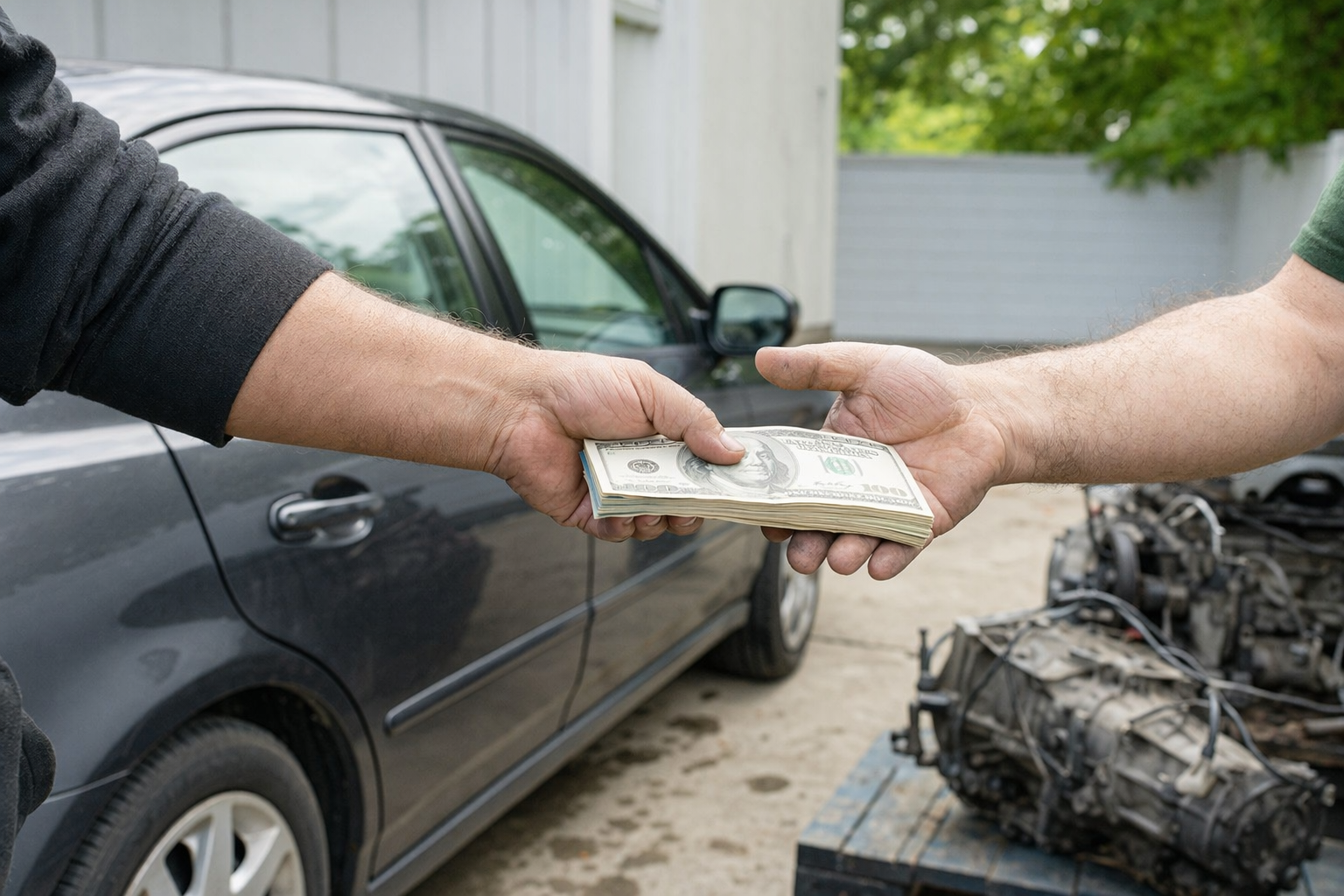
The short answer: protect the title, confirm the money, verify the buyer
Selling an old car should not feel risky, but a lot of people get burned at the last minute. The most common problem is not the first number they hear. It is what happens at pickup.
A buyer may sound fine on the phone, then show up and try to cut the price, add towing charges, rush you to sign, or offer a payment method that is hard to verify. That is why the safest plan is to slow the process down and confirm the basics before anyone comes.
Here is the short version:
- Get an estimated range based on your car's year, make, model, condition, weight, location, and current scrap and parts prices. You can start with car value help if you want a rough idea.
- Deal only with a licensed, insured buyer and verify that license yourself.
- Ask the buyer to confirm the amount, pickup timing, towing, and any fees in writing before pickup.
- Keep your title and ID safe. Do not send more personal information than needed.
- Do not hand over the signed title, keys, or vehicle until payment is in your hands and verified.
- Check your state's title and lien rules with the DMV. Rules vary by state. This is general information, not legal advice.
If your car does not run, that does not mean you have to accept anything. Many non-running cars still have value as scrap, parts, or rebuildable inventory. A rough estimate for a dead-engine or non-running car is often around $150-$600, while a wrecked or flood car may land around $150-$900 depending on damage, parts demand, and local market conditions. Those are only typical ranges, not offers or guarantees.
The biggest red flags people miss
Most bad deals follow the same pattern. The buyer acts easy to work with until the truck arrives. Then the story changes.
Watch for these red flags:
- Bait-and-switch price drops at pickup. You were told one number, but when the driver arrives, they suddenly point to dents, missing parts, flat tires, or a dead battery and cut the amount. Honest buyers ask those questions ahead of time.
- Surprise towing or admin fees. A buyer says towing is included, then tries to subtract a tow charge, fuel charge, gate fee, paperwork fee, or "processing" fee when loading the car.
- Fake, altered, or bounced checks. A check can look official and still fail. If payment is not cash or another method you can verify on the spot, be careful.
- Pressure to sign the title before payment. This is a major warning sign. Once the title is signed over, your leverage is gone.
- Unlicensed buyers. If someone refuses to share business details or gets defensive when you ask about licensing, walk away.
- Rushing you because "the driver is already here." Pressure is part of the scam. You still have the right to say no.
A fair buyer should be willing to confirm simple details in writing:
- The agreed amount or price basis
- Whether towing is included
- Any possible deductions or fees
- The payment method
- What documents they need at pickup
If any of that sounds vague, stop. You can always compare again through a free matching form. ScrapRoute is a free matching service. You choose who to talk to and who to deal with.
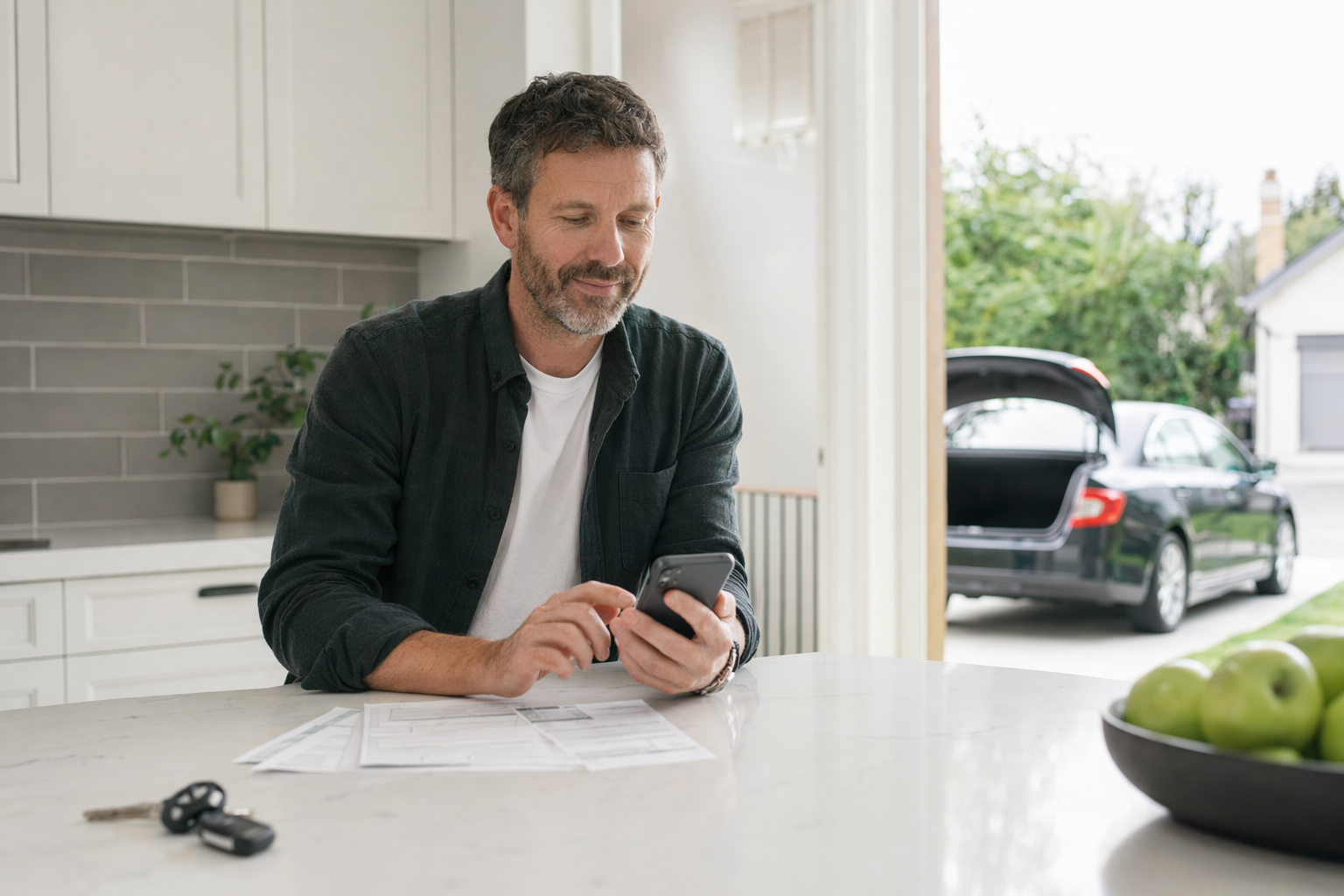
How to handle payment day without getting burned
Pickup day is where most problems happen. A good rule is this: nothing gets signed and nothing leaves until the payment is there and you have checked it.
Use this simple checklist:
- Have the vehicle details ready. Year, make, model, condition, whether it runs, major damage, and your location. You usually do not need to give sensitive records just to get matched.
- Ask for written confirmation before pickup. Text or email is fine if it clearly states the amount, towing terms, and fees.
- Verify the buyer's license yourself. Do not just accept a logo on a truck or a screenshot.
- Have the title, if your state requires it, but keep it with you. Do not pre-sign it hours early just to "save time."
- Confirm payment first. If it is cash, count it. If it is another method, make sure you can verify it before releasing the car.
- Then sign and hand over the title and keys. Not before.
- Take photos of the car at pickup. Include the loaded vehicle if possible.
Some owners ask if they should accept a lower number because the car is old, wrecked, or not running. Sometimes the answer is yes. Sometimes it is just a lowball. Typical whole-car value for an older running vehicle might be around $300-$1,500. Scrap-only may be closer to $100-$500. Heavier trucks and SUVs can bring roughly $250-$1,200 by weight and parts demand. But the real cash offer always depends on the year, make, model, condition, weight, location, and current scrap and parts prices.
If you want to understand why prices move so much, see how junk car prices work.
If you also need used parts, use the same caution
ScrapRoute also helps people find affordable used auto parts. The same safety habits matter here too, especially if English is not your first language and you want clear, simple information.
A few smart steps can save money and headaches:
- Ask for the exact part name, fitment details, and whether it matches your year, make, model, engine, and transmission.
- Ask if the part is tested, graded, or sold as-is.
- Get the total price and pickup or shipping details in writing.
- Keep records of messages, receipts, and part numbers.
Used parts can make sense when your car is worth fixing but not worth new parts. A used engine may cost a few hundred dollars to around $1,500 installed-ready, depending on the vehicle and condition. A used transmission often falls around $300-$1,200. Again, these are common ranges, not quotes or guarantees.
If you are looking for a replacement, start with used parts help or learn more about used engines and transmissions.
What to do next
If you are ready to move forward, keep it simple and stay in control.
- If the car is junk, old, or unwanted, start at sell a junk car.
- If it does not start or has a dead engine, see non-running car options.
- If it was hit, flooded, or badly damaged, check damaged and wrecked car help.
Before pickup, remember these four rules:
- Verify the license.
- Confirm the amount, towing, and fees in writing.
- Keep your title and ID safe.
- Do not hand over title or keys until paid.
Title and lien rules vary by state, so confirm your state's requirements with the DMV before pickup. This is general information, not legal advice.
If something feels off, trust that feeling. You do not have to take the first number. You can compare, ask questions, and walk away.
To get paid safely for your car, compare buyers, verify the buyer is licensed and insured, get the amount and towing terms in writing, and never give the title or keys until you have the payment in hand and checked it.
Common questions
What is the safest payment method when selling my car?
The safest option is the payment method you can verify before the car leaves. Many people prefer cash in person, but the key point is this: count or verify the payment first, then sign over the title and hand over the keys. Be careful with checks, because some can be fake, altered, or bounce later.
Can a buyer lower the price when they arrive?
They may try, but that does not mean you have to accept it. A last-minute drop is a common red flag, especially if you already described the car accurately. Ask the buyer to confirm the amount, towing, and any deductions in writing before pickup. If they show up and change the deal without a valid reason, you can refuse to sell.
Should I sign the title before the tow truck gets here?
No. Keep the title with you and do not pre-sign it just for convenience. Do not hand over the signed title or the keys until you have been paid and verified the payment. State title and lien rules vary, so check with your DMV for the correct steps in your state. This is general information, not legal advice.
How do I know if a buyer is really licensed?
Ask for the business name and license details, then verify them yourself through your state's system or other official source. Do not rely only on a truck decal, business card, or what someone says by text. If the buyer avoids the question, refuses to provide details, or pressures you to move fast, that is a sign to walk away.