The paperwork to sell a junk car
Selling a junk car is usually simple, but the paperwork matters. A small mistake with the title, lien, or pickup receipt can slow down payment or create problems later.
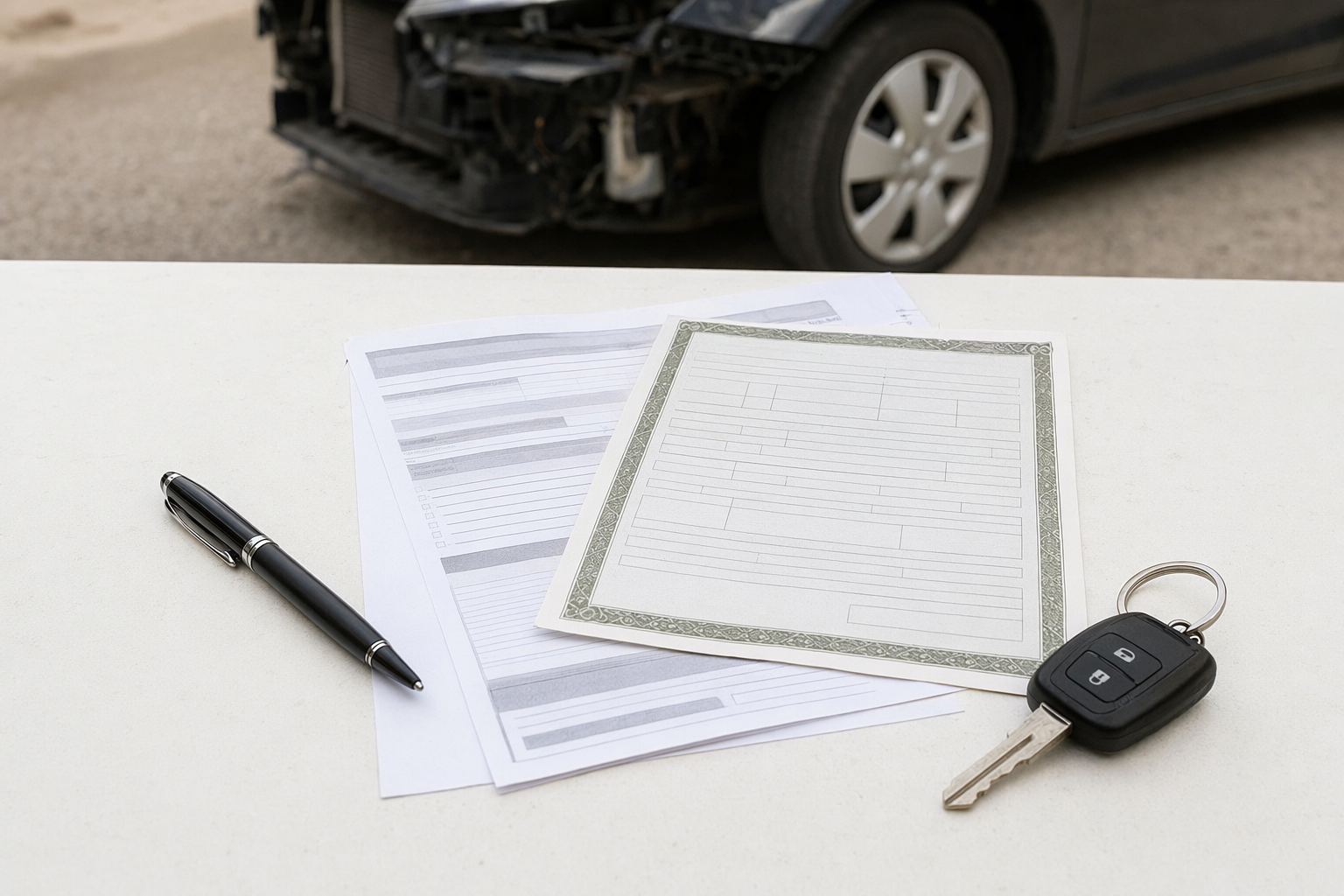
What paperwork usually matters most
The most important paper is usually the vehicle title. In many states, that is the main proof that you own the car and can transfer it. But rules are not the same everywhere. Some states have extra forms. Some have different rules for older cars, lost titles, lien releases, or vehicles sold to a recycler.
In plain terms, most sellers should expect to gather:
- The title, if you have it
- A photo ID that matches the owner name
- Any lien release if there was a loan on the car
- Basic vehicle details like year, make, model, and condition
- A written confirmation of the price range discussed, who is picking up the car, whether towing is included, and whether any fees apply
- A bill of sale or pickup receipt, if your state or the buyer uses one
If you are not sure what your car may be worth before you start, see how junk car prices work. Keep in mind that any number you hear is only a typical estimate, not a guaranteed offer. The real cash offer depends on the year, make, model, condition, weight, location, and current scrap and parts prices.
Important: ScrapRoute is a free matching service. We help you compare licensed buyers. We do not buy cars, transfer titles, tow vehicles, or give legal or DMV advice.
Before you hand over the car, protect yourself
This is where many people get burned. A seller is in a hurry. The car does not run. A tow truck shows up. Then the paperwork is rushed.
Slow down and do these basics:
- Deal only with licensed, insured buyers. Verify the license yourself, not just by taking someone’s word for it.
- Keep your title and ID safe. Do not text photos of everything to random people unless you are comfortable and know who you are dealing with.
- Do not hand over the title or keys until you are paid. Payment should be clear first.
- Get the pickup terms in writing. Confirm the amount, whether towing is included, and whether there are any deductions or fees.
- Ask what receipt you will get at pickup. You want proof of who took the vehicle and when.
A trustworthy buyer should be able to explain the process clearly. If somebody pressures you, changes the number at pickup, or refuses to put details in writing, walk away.
For more ways to avoid trouble, read how to avoid junk car scams.

What to do if the title is missing, signed wrong, or has a lien
This is the part that confuses people most. A junk car can be low value, but the title paperwork still matters.
Missing title: Some buyers may still be able to work with certain vehicles under state rules, especially older vehicles, but do not assume that. Many will require a title. If yours is lost, ask your state DMV what replacement process applies before pickup.
Signed wrong: If the title has cross-outs, missing signatures, or the wrong buyer information written on it, that can cause delays. In some states, a mistake means you may need a corrected or replacement title. Do not guess. Confirm with your DMV.
Lien still showing: If there was a car loan, the title may still show a lienholder even if you finished paying. You may need a separate lien release or updated title record before the sale can be completed. Get that sorted out early if you can.
Not in your name yet: If the car was from a relative, friend, or private sale and was never properly transferred into your name, that can also create a problem. Many licensed buyers will not take a vehicle unless ownership is clear.
A good next step is to review title transfer basics. Then confirm the exact rule with your own state DMV. This is general information, not legal advice.
A simple checklist for sale day
When pickup day comes, keep it simple and organized.
- Remove personal items from the car, trunk, glove box, and center console
- Remove plates if your state requires that
- Take photos of the vehicle condition before pickup
- Have your title and ID ready, but do not sign anything early unless you understand it
- Confirm the exact buyer name and the licensed business picking up the vehicle
- Confirm whether towing is free and whether there are any charges
- Get a receipt showing the date, vehicle details, and who took possession
If the vehicle does not run, ask about towing ahead of time and get that detail in writing. "Free towing" is common, but not automatic in every situation, and terms can vary by distance, access, and vehicle condition. Learn more at free towing explained.
If you are ready to compare options, you can get matched here. You compare estimates, you choose who to deal with, and you confirm everything before any pickup or payment.
Common paperwork mistakes that cost people time or money
Most paperwork problems are avoidable. Here are the big ones:
- Signing the title too early. Wait until you know exactly who the buyer is and you are being paid.
- Letting the car go without a receipt. If there is later confusion, you want proof of transfer.
- Ignoring a lien issue. Even an old paid-off loan can create delays if the paperwork was never cleared.
- Trusting a verbal promise. If the amount, towing, or pickup time is important, get it in writing.
- Not verifying the license. A licensed, insured buyer should be willing to identify the business clearly.
- Giving away extra personal information. Usually, vehicle details and basic contact information are enough to start. You should not need to give sensitive financial account numbers or similar records just to ask for a match.
One more tip: if your goal is not to sell the whole car, but to save money on repairs, used parts may make more sense. ScrapRoute can also help you find recycled parts through licensed yards and recyclers. See find used auto parts.
Your next step: get organized, compare, then decide
You do not need to know every DMV rule before you begin. But you do want the basics in order.
Start by gathering your title, ID, and any lien paperwork. Write down the vehicle year, make, model, mileage if known, and honest condition. Mention if it runs, has crash damage, flood damage, a dead engine, or missing parts. That helps you get more realistic estimate ranges.
Typical ranges are often modest. An older running car sold whole might be around $300-$1,500. A non-running car with a dead engine may be around $150-$600. A wrecked or flood car may be around $150-$900. Scrap-only vehicles may be around $100-$500. Heavier trucks and SUVs can be higher by weight, sometimes $250-$1,200. These are only general ranges. The real cash offer depends on the year, make, model, condition, weight, location, and current scrap and parts prices.
If you want to move forward, compare licensed buyers instead of taking the first number you hear. ScrapRoute is free to use. Participating buyers pay a flat fee to be included. You stay in control of the decision.
Get your title, ID, and any lien paperwork together first. Then deal only with a licensed, insured buyer, keep the title and keys until you are paid, and make sure the price, towing, and fees are confirmed in writing before pickup.
Common questions
Do I always need a title to sell a junk car?
Not always, but very often yes. Some states allow certain older vehicles or special situations to be handled differently, while many buyers still require a title. Because title rules vary by state, check with your own DMV before pickup. Do not assume a buyer can legally take the car without proper ownership paperwork.
What if I still owe money on the car?
If a lien is still attached, you may need a lien release or other proof that the loan was paid or can be cleared. A buyer may not be able to complete the purchase until ownership is clear. Confirm your state’s requirements with the DMV and ask the buyer what documentation they need.
When should I sign the title?
Usually not until you are face to face with the licensed buyer, the details are confirmed in writing, and payment is ready. Never hand over the signed title or the keys before you are paid. If anything on the title is unclear, stop and confirm the proper process with your state DMV.
What paperwork should I keep after the sale?
Keep copies or photos of the signed title if allowed, the bill of sale or pickup receipt, any lien release, and the written confirmation of price, towing, and fees. Those records can help if there is later confusion about when the vehicle was picked up or who took it.