Remove Your Plates Before You Sell
Yes. In most cases, you should remove your license plates before the vehicle leaves with the buyer. It helps protect you from tolls, tickets, and registration problems after the car is gone.
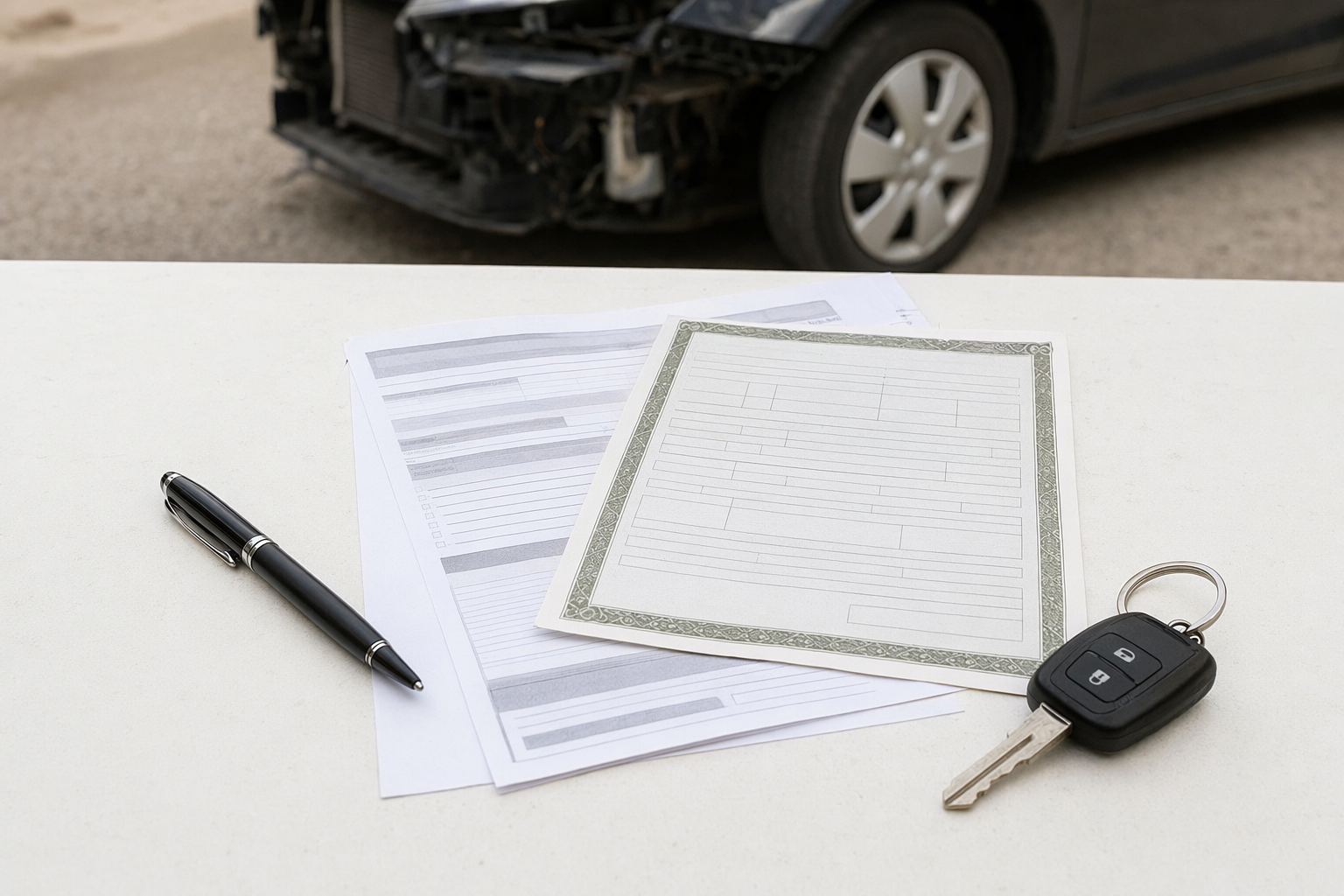
The short answer
Take your plates off before pickup unless your state clearly requires something different. Plate and registration rules are state-specific, so confirm your own state's rules with the DMV. This is general information, not legal advice.
Why it matters:
- Plates are tied to you and your registration in many states.
- If the car leaves with your plates still on it, you could end up dealing with tolls, parking tickets, camera tickets, or other headaches.
- Removing the plates is one of the easiest ways to show that the vehicle is no longer in your control.
If you are selling a junk, damaged, or non-running car, do not hand over the title or keys until you are paid and you have the final terms in writing, including pickup and any towing fees. Work only with licensed, insured buyers, and verify the license yourself. If you want to compare local options first, you can start with a free match at get an offer or read more about title transfer basics.
Why plate removal is a smart safety step
A lot of people focus only on the cash amount. That matters, of course. But small paperwork mistakes can cause bigger problems later.
When you remove your plates before the car is picked up, you reduce the chance of:
- Speed camera or toll charges hitting your mailbox later
- Parking tickets tied to your plate number
- Confusion about whether the car was still registered to you
- Delays when you cancel insurance or update registration
This is especially important when the car is not running. A non-running car may sit in a yard, get moved, or be loaded onto another truck before processing. If your plates stay on the vehicle, you lose control over where that plate number ends up being seen.
Also remember: ScrapRoute is a free matching service. We do not buy cars, tow cars, or process titles. We help you compare licensed local buyers so you can choose who to deal with. The actual cash amount is only a typical estimate range, not a guarantee, and depends on the year, make, model, condition, weight, location, and current scrap and parts prices. If you want to understand those numbers better, see how junk car prices work.

What to remove from the car before pickup
Plates are the big one, but they are not the only thing to think about. Before the tow truck or transporter arrives, do a full check.
1. Remove both license plates if your state uses front and rear plates.
2. Take out your registration card, insurance papers, and any toll-road transponder.
3. Check the glove box, center console, trunk, under seats, door pockets, and sun visors for:
- IDs
- Mail
- Work papers
- Garage remotes
- Phone chargers
- Tools
- Child items
- Prescription bottles
4. Delete saved addresses or personal data from the car's screen if it still powers on.
5. Remove custom items you want to keep, like floor mats or a stereo, only if the buyer agrees in writing and it does not change the deal unexpectedly.
If the battery is dead and you cannot power the car on, still check every compartment by hand. People forget documents in old cars all the time.
A related tip: take a few clear photos before pickup. Get photos of the car, the odometer if it works, the outside condition, and the empty plate areas after you remove the plates. Keep copies of any text messages or emails that show the agreed amount, whether towing is included, and when pickup will happen. For more on written confirmations and common tricks, read how to avoid junk car scams.
How to handle plates, title, keys, and payment the safe way
Here is a simple order that protects you.
1. Confirm the final details in writing before pickup.
- The buyer's business name
- The exact vehicle being picked up
- The final amount they say they will pay after seeing the vehicle
- Whether towing is included
- Any fees, if any
2. Verify the buyer is licensed and insured.
Do not just accept a logo on a truck or a text message. Check the license yourself using your state or local rules.
3. Remove your plates before the vehicle leaves.
Put them somewhere safe right away.
4. Keep your title and keys in your hand until you are paid.
Do not sign over the title early. Do not leave the keys in the car and walk away.
5. Get a receipt or bill of sale.
Make sure it shows the date, buyer name, vehicle details, and payment amount.
6. Check your state's next step.
Some states want you to return plates. Some let you transfer them to another car. Some require a notice of sale or release of liability. Confirm the rule with your DMV.
If your car is being sold for scrap value only, typical ranges are often about $100-$500. A non-running car with a bad engine may be around $150-$600. A wrecked or flood car may land around $150-$900. Heavier trucks and SUVs can be around $250-$1,200 by weight. Older running cars sold whole are often around $300-$1,500. These are just common ranges, not offers or guarantees.
If you are trying to sell a dead car, sell a non-running car explains what buyers usually check.
What to do next
If you are getting ready to sell, keep it simple.
- Gather the basic vehicle info and your contact details
- Compare licensed local buyers through a free matching service
- Ask for the final amount, towing, and fees in writing
- Remove your plates before pickup
- Keep title and keys until you are paid
- Confirm your state DMV's plate and title rules after the sale
And if you are on the other side of ScrapRoute and need a replacement part for another vehicle, used parts can sometimes save real money. A used engine is often a few hundred dollars to around $1,500 installed-ready depending on the vehicle. A used transmission is often around $300-$1,200. You can start by finding used parts.
For sellers, if you want to check your vehicle's typical range before you talk to anyone, try vehicle value.
Before the car is picked up, take off your license plates, remove your papers and personal items, and keep the title and keys until you are paid. Use only licensed, insured buyers, get the terms in writing, and check your state's DMV rules because plate and title steps can be different in each state.
Common questions
Do I always remove my plates when I sell a junk car?
Usually yes, but state rules vary. In many states, the plates stay with the owner, not the vehicle. Some states have special rules on returning, transferring, or reporting plates, so confirm with your DMV before pickup. This is general information, not legal advice.
What if the buyer says to leave the plates on the car?
Do not assume that is correct just because the buyer says it. Ask why, then verify your state's rule yourself with the DMV. If your state says the plates should come off, remove them before the vehicle leaves. Work only with licensed, insured buyers and confirm all details in writing.
Can I hand over the title and keys before I get paid?
Safer answer: no. Keep your title, keys, and ID secure until you are paid and the final terms are confirmed in writing. That includes the amount, who is picking up the car, whether towing is included, and any fees. Never rush because a driver is waiting.
What should I do with my plates after the car is gone?
That depends on your state. You may need to return them, transfer them to another vehicle, or keep them as part of your records until the DMV update is complete. Check your DMV's instructions right after the sale so you do not miss a deadline.