Selling a Car With a Bad Transmission
Yes, you can still sell a car with a bad transmission. The real cash amount depends on the year, make, model, condition, weight, location, and current scrap and parts prices, but many cars with transmission trouble still have value.
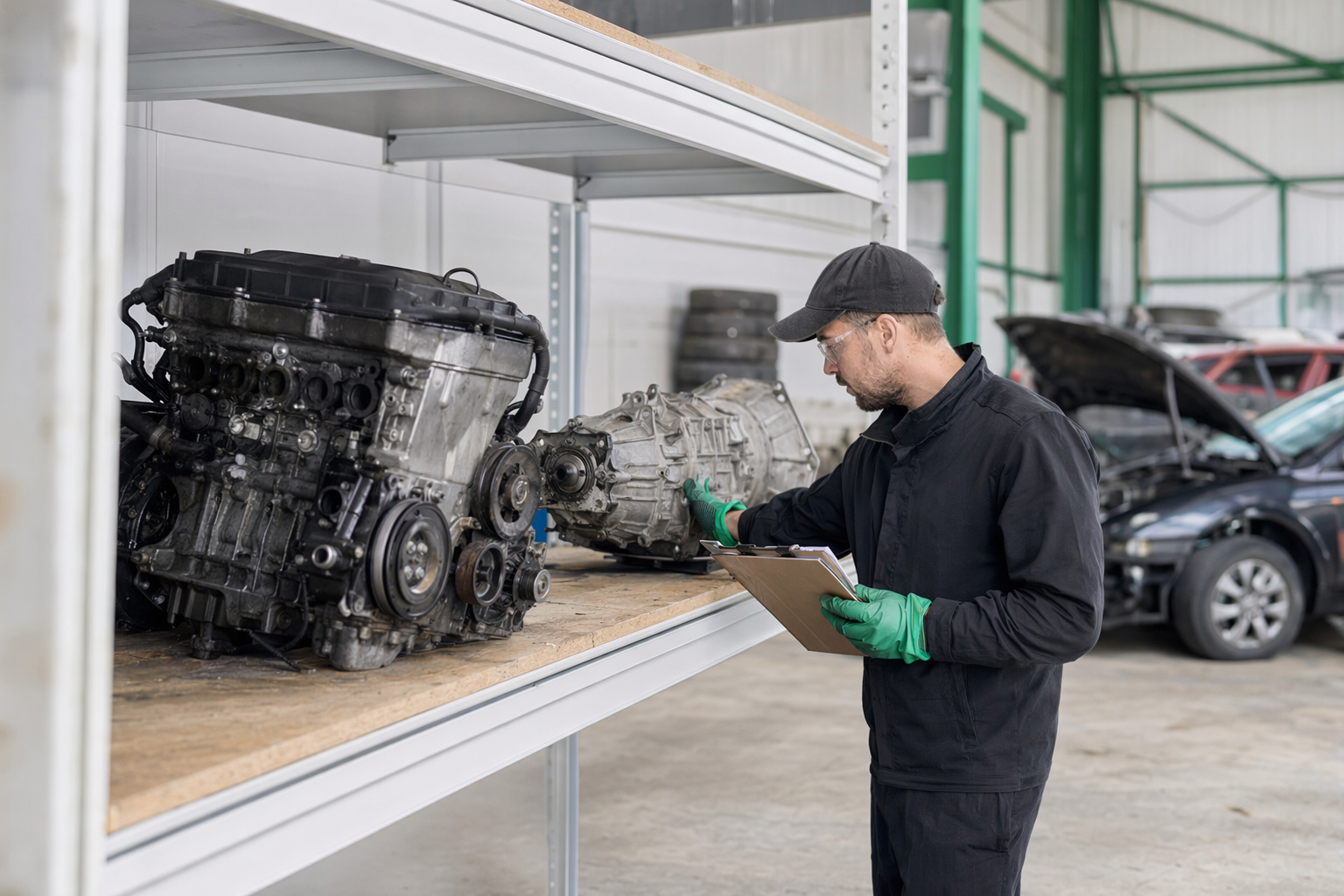
The short answer: yes, but expect the transmission problem to change the price
A bad transmission does not mean your car is worthless. It does mean most buyers will pay less, because they must repair it, resell it as-is, recycle it for parts, or scrap it by weight.
For many owners, the main question is simple: is it worth fixing, or is it smarter to sell it as-is? If the car is older, has high miles, or has other problems too, selling may make more sense than putting more money into it.
Typical ranges many people see are:
- Older running car sold whole: about $300-$1,500
- Non-running car or dead drivetrain: about $150-$600
- Wrecked or flood-damaged car: about $150-$900
- Scrap-only value: about $100-$500
- Heavier trucks and SUVs by scrap weight: about $250-$1,200
These are estimates, not offers or guarantees. The real amount depends on your car’s exact condition and local market.
If you want to compare local options, you can start with a free match at get an offer or learn more about how junk car prices work.
What buyers look at when the transmission is bad
When a transmission is slipping, stuck, leaking badly, or the car will not move, buyers usually look at the whole vehicle, not just the one failed part.
A few things can push the value up or down:
- Does the car still start and move? A car that drives, even poorly, may bring more than one that needs a winch.
- Year, make, and model. Some vehicles have strong used-parts demand. Others are worth mostly scrap weight.
- Engine condition. If the engine runs well, that helps. If the engine also knocks, overheats, or has major leaks, value often drops.
- Body and interior condition. Clean doors, good wheels, airbags, catalytic converter, and usable interior parts can matter.
- Title status. A clear title usually makes the process easier. State rules on titles, liens, and transfer paperwork vary, so confirm with your DMV.
- Location and towing difficulty. A car in a driveway is easier than one buried in a garage, missing wheels, or parked where special equipment is needed.
- Current scrap and parts prices. Metal and used-parts demand change over time.
In plain terms, a buyer may see your car in one of three ways:
- Fix and resell if the vehicle still has enough market value after repair
- Part out and recycle if good components are worth more than the car as a whole
- Scrap by weight if the vehicle is too damaged or too old to repair profitably
That is why two buyers can look at the same car and land on different numbers. One may want the wheels, body panels, or engine. Another may only care about scrap weight.
If your car does not move at all, this page may also help: sell a non-running car.

Should you repair it first or sell it as-is?
A transmission replacement can be expensive enough to change the math fast. On many older vehicles, the repair bill may be more than the car is worth after the repair. That is why many owners choose to sell as-is.
Selling as-is often makes sense when:
- The car has high mileage
- You have other repairs coming soon
- The body has damage, rust, or flood issues
- The engine has problems too
- Registration, insurance, or parking costs are adding up
- You need cash sooner and do not want to gamble on a big repair
Repairing first may make sense when:
- The car is relatively newer or holds strong retail value
- The rest of the car is in very good condition
- You have a trusted shop and a realistic repair estimate in writing
- The repair cost is clearly lower than the value gain after repair
If you are unsure, compare the car’s rough as-is value against the likely repair cost. Then ask yourself one honest question: after fixing the transmission, would I still want this car? If the answer is no, putting more money into it may not be the best move.
If the vehicle also has crash or water damage, read sell a damaged or wrecked car.
How to sell it safely without getting lowballed or burned
Transmission problems attract lowball buyers because they know many owners feel stuck. Slow down. Get details in writing. Protect your paperwork.
Use this simple checklist:
- Describe the problem clearly. Say if it slips, jerks, will not shift, leaks fluid, or will not move.
- Share basic vehicle details only. Year, make, model, mileage, condition, and your contact info are usually enough to start. Do not feel pressured to give sensitive information.
- Ask whether the buyer is licensed and insured. Then verify the license yourself.
- Confirm the amount, towing, and any fees in writing before pickup. Free towing is common, but do not assume. Ask.
- Keep your title and ID safe. Never hand over the title or keys until you are paid.
- Check your state’s title and lien rules with the DMV. This is general information, not legal advice.
- Remove personal belongings and clear out documents, toll tags, garage openers, and plates if your state requires that.
Important: ScrapRoute is a free matching service. We help you connect with licensed salvage yards, auto recyclers, and cash-for-cars buyers. You compare options, you choose who to deal with, and you confirm everything before any pickup or payment.
If you want a safety checklist before talking to anyone, read how to avoid junk car scams and free towing explained.
What to do next if you want cash now or need a replacement part
A bad transmission puts owners in two different situations. Some want to sell the whole car. Others want to find an affordable used transmission or engine and keep the car going.
Here is the easiest way to decide:
- If the car is older and the repair cost feels too high, try to sell it as-is.
- If the rest of the car is solid and worth keeping, price out a used transmission or even a complete drivetrain option.
Typical used-parts ranges can look like this:
- Used engine: a few hundred dollars to around $1,500 installed-ready depending on vehicle and availability
- Used transmission: about $300-$1,200
Again, these are honest ranges, not guarantees. Availability, mileage, warranty terms from the seller, and your vehicle type all matter.
If you want to sell the car, start here: sell your junk car.
If you want to keep the car and look for replacement parts, start here: find used auto parts or compare used engines and transmissions.
Either way, do not rush. A transmission problem is stressful, but you still have options.
If your transmission is bad, your car can still be sold or you may be able to fix it with a used part. Compare your options, deal only with licensed buyers, verify everything in writing, and do not hand over the title or keys until you are paid.
Common questions
Can I sell a car with a bad transmission if it does not drive?
Yes. Many non-running vehicles still have value for parts or scrap. Typical ranges for a non-running car are often about $150-$600, but the real amount depends on the year, make, model, condition, weight, location, and current scrap and parts prices. Confirm towing and any fees in writing before pickup.
Do I need to repair the transmission before I sell the car?
Not always. If the vehicle is older, has high miles, or needs other work, selling as-is may be the better financial choice. If the car is newer and otherwise in very good condition, a repair could make sense. Compare the repair estimate with the likely value after repair before spending money.
Will a buyer take my car without a title?
Sometimes, but it depends on your state and the buyer’s rules. Title and lien requirements vary by state, so check with your DMV. Deal only with licensed, insured buyers, verify the license yourself, and never hand over keys or paperwork until you are paid. This is general information, not legal advice.
Can ScrapRoute buy my car or sell me a transmission?
No. ScrapRoute is not a buyer, salvage yard, recycler, dismantler, towing company, or parts seller. ScrapRoute is a free matching service that helps you connect with licensed salvage yards, auto recyclers, and cash-for-cars buyers, or helps you look for used auto parts. You compare options and choose what works for you.