Selling a Car With a Blown Engine
Yes, you can still sell a car with a blown engine. The real question is whether it makes more sense to sell it whole for cash, sell it as scrap, or keep it and look for an affordable used engine or transmission.
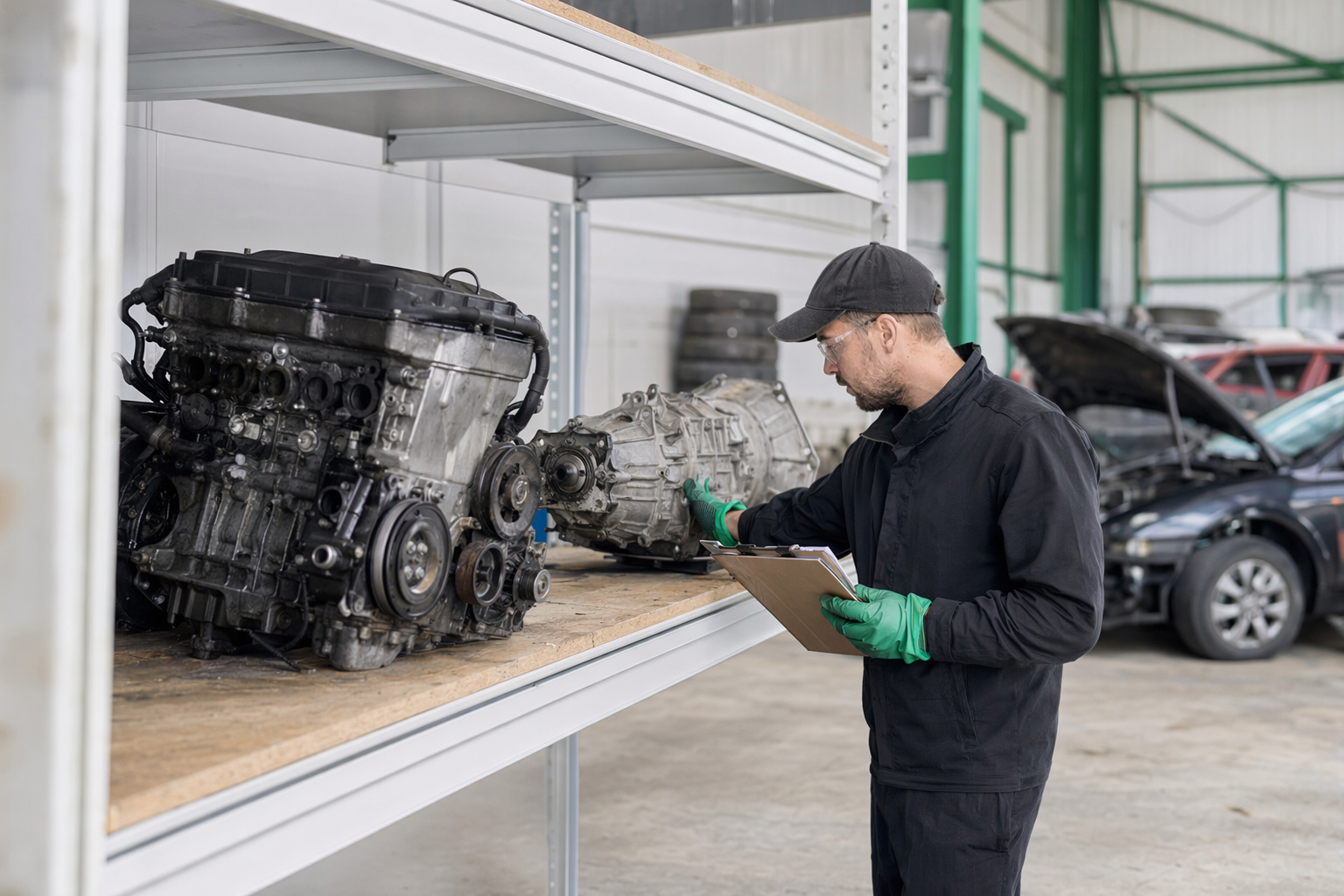
The short answer: a blown-engine car still has value
A car with a bad engine is not worthless. Many still sell because the body, catalytic converter, wheels, transmission, interior, and other parts may still have value. Some licensed buyers want the whole car. Some recyclers may value it mostly by weight. If the rest of the car is clean and complete, it may bring more than pure scrap.
Typical ranges only, not offers:
- Non-running car or dead engine: about $150-$600
- Older running car sold whole: about $300-$1,500
- Scrap-only value: about $100-$500
- Heavier trucks and SUVs by scrap weight: about $250-$1,200
Those are just common ranges. The real cash offer depends on the year, make, model, condition, weight, location, and current scrap and parts prices.
If you want to compare options without calling around all day, you can start with a free match through get an offer or read more about how junk car prices work.
What changes the value when the engine is blown
Buyers do not look at a blown-engine car as just "engine bad, car bad." They usually look at the full picture.
Here is what often moves the number up or down:
1. Year, make, and model
Common models with strong parts demand may do better than rare models nobody is looking for.
2. How complete the car is
Missing catalytic converters, wheels, airbags, battery, or body panels can lower interest fast.
3. Body and interior condition
A straight body, good glass, clean seats, and decent paint can help. Heavy rust, flood damage, or a stripped interior can hurt.
4. Transmission and other major parts
If the engine is bad but the transmission is still usable, that may matter. The same goes for doors, lights, electronics, and factory wheels.
5. Location and towing distance
A non-running car in a hard-to-reach spot may get less attention than one sitting in an easy driveway near several licensed buyers.
6. Current metal and used-parts market
Scrap prices and parts demand move. That is why one month can look different from the next.
A blown engine can mean different things too. Some sellers say "blown" when the engine knocks, overheats badly, threw a rod, lost compression, seized, or simply will not start after major damage. Be honest about what happened. Clear facts help you get more accurate interest from licensed buyers and save time later.
If you are not sure whether selling or repairing makes more sense, a quick value guide can help you think through the car's condition before you decide.

Sell it or fix it? A simple way to decide
Sometimes selling is the smart move. Sometimes finding a used engine is cheaper than replacing the whole car. This is where people waste money if they rush.
Selling may make more sense if:
- The car is older and already has other problems
- It has high miles, rust, accident damage, or flood history
- The repair bill is close to or higher than the car's working value
- You need the car gone soon
- You do not want to risk more repair surprises
Repairing may make more sense if:
- The body and transmission are solid
- The car is otherwise clean and dependable
- Insurance, registration, and tires are already current
- You can find a good used engine at a fair price
- Replacing the car would cost much more than fixing this one
For many people, the middle path is best: check the sell value and the used-parts cost at the same time.
Typical used-parts ranges:
- A used engine is often a few hundred dollars up to around $1,500 installed-ready depending on the vehicle
- A used transmission is often about $300-$1,200
Those are broad estimates, not quotes or guarantees. Labor, warranty terms, local supply, and the exact vehicle matter a lot.
If you want to keep the car, you can look for used engines and transmissions. If you are done with it, you can compare options for a non-running car.
How to sell a blown-engine car without getting burned
This is where people get lowballed or lose control of the deal. Keep it simple and protect yourself.
1. Gather basic details
Have the year, make, model, mileage, general condition, and your location ready. You do not need to hand out sensitive personal information just to start. Avoid sharing financial account numbers, SSNs, or other records.
2. Describe the problem clearly
Say what the car does or does not do. For example: "engine seized," "rod knock then shut off," or "cranks but won't start after overheating." Honesty helps avoid bait-and-switch pickup problems.
3. Compare more than one licensed buyer
ScrapRoute is a free matching service. You can compare interested licensed salvage yards, auto recyclers, and cash-for-cars buyers, then decide who you want to deal with.
4. Ask what is included in writing
Confirm the amount, whether towing is included, and whether there are any fees before pickup. Do not assume "free towing" unless it is written down. This guide on free towing can help you know what to ask.
5. Protect your title and keys
Deal only with licensed, insured buyers and verify the license yourself. Keep your title and ID safe. Never hand over the title or keys until you are paid. Title and lien rules vary by state, so confirm your own state's rules with the DMV. This is general information, not legal advice.
6. Remove personal items and plates if your state requires it
Check the glove box, trunk, console, garage opener, toll tag, and paperwork. Some states want plates removed. Some do not. Confirm with your DMV.
For more safety tips, read how to avoid junk car scams.
What to do next if the engine is gone
You really have two practical options, and both are valid.
Option A: Sell the car as-is for cash
If you do not want to sink more money into it, compare licensed buyers and see what the car brings in its current condition. This is often the simplest path when the engine is locked up, the car has been sitting, or other major repairs are coming too.
Option B: Keep the car and source used parts
If the rest of the car is worth saving, a used engine or transmission may be the cheaper move. This can make sense on a vehicle with a solid body, no major rust, and good maintenance history.
A smart next step is to check both sides before you decide:
- Compare matches to sell the car as-is
- Compare sources to find used parts
- Choose the option that fits your budget and timeline
If you are ready to move, start with selling your junk car or finding used parts. You stay in control. You compare your options. You choose who to deal with.
A car with a blown engine can still be sold, or it may be worth fixing with used parts. Compare both paths, deal only with licensed buyers, get towing and fees in writing, and do not hand over the title or keys until you are paid.
Common questions
Can I sell a car with a blown engine if it does not run at all?
Yes. Many non-running cars still have value for parts, scrap, or resale in as-is condition. Typical non-running or dead-engine vehicles often fall around $150-$600, while pure scrap may be closer to $100-$500. The real cash offer depends on the year, make, model, condition, weight, location, and current scrap and parts prices.
Is a blown-engine car worth more as scrap or as a whole car?
It depends on what is still good on the vehicle. If the body, catalytic converter, transmission, wheels, and interior are in decent shape, selling it whole may bring more than scrap-only value. If it is stripped, badly damaged, or very rusty, scrap value may be closer to reality. Comparing licensed buyers is usually the best way to know.
Should I replace the engine or sell the car?
Look at the total picture: the car's age, miles, rust, body condition, transmission condition, and repair cost. A used engine can sometimes be a few hundred dollars to around $1,500 installed-ready depending on the vehicle, but labor and local supply matter. If the car has several other problems, selling as-is may be the cheaper and less stressful choice.
What paperwork should I be careful with when selling a blown-engine car?
Protect your title and ID. Deal only with licensed, insured buyers and verify the license yourself. Never hand over the title or keys until you are paid, and confirm the amount, towing, and any fees in writing before pickup. Title and lien rules vary by state, so check your state's DMV for the exact requirements. This is general information, not legal advice.