Selling a Car That Still Has a Loan
Yes, you may be able to sell a car that still has a loan, but the lien has to be handled the right way. The exact steps depend on your state, your lender, and the buyer, so move carefully and confirm the details in writing before pickup.
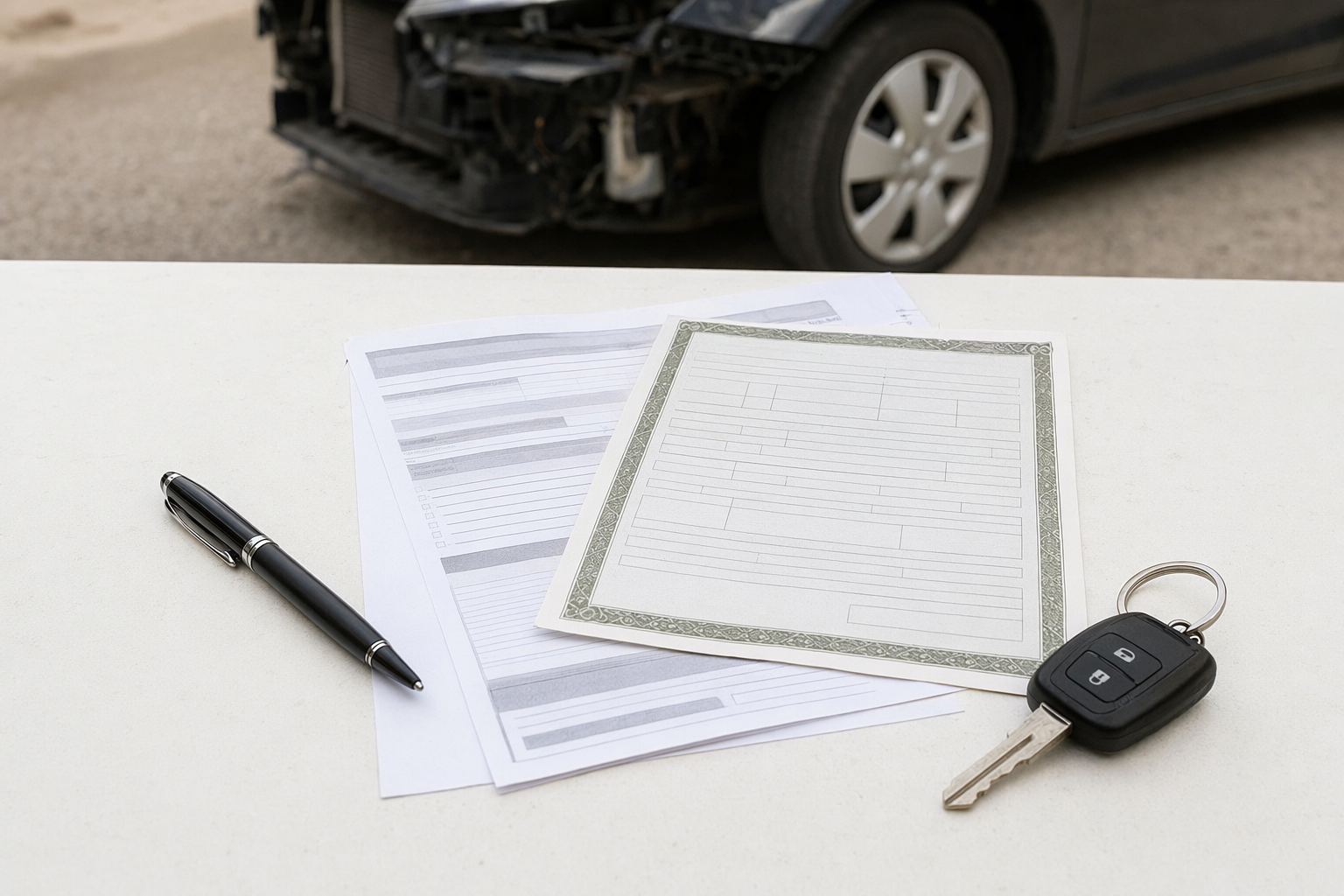
The short answer
If you still owe money on the car, the lender may have a lien on the title. That means you usually cannot sign the car over like a normal clear-title sale until the lien is paid off or released.
For a junk, damaged, flooded, or non-running car, this matters because many buyers want a clear title before they complete the deal. Some licensed buyers may still work with a payoff situation, but not all of them do.
What changes the process:
- how much you still owe
- whether you have the title in hand or the lender holds it
- your state's title and lien rules
- whether the car is being sold for parts value, scrap weight, or as a whole vehicle
A rough value check can still help you decide your next move. Many older running cars sell whole for about $300-$1,500. A non-running car with a dead engine may be around $150-$600. A wrecked or flood car may be around $150-$900. Scrap-only cars are often $100-$500. Heavier trucks and SUVs can land around $250-$1,200 by weight. These are typical ranges only, not offers. The real cash offer depends on the year, make, model, condition, weight, location, and current scrap and parts prices.
If you want to compare possible value before talking to buyers, start with how junk car prices work or check your car's general value.
What a lien means in real life
A lien means the lender still has a legal interest in the vehicle until the loan is satisfied. In plain words: you may own the car, but the lender still has a claim on it.
That can affect all of these things:
1. Who holds the title
In some cases, you have a title that shows a lien. In others, the lender keeps the title until the loan is paid.
2. Who must be paid first
If there is a payoff amount, some or all of the sale money may need to go toward the loan before the lien is released.
3. Whether the buyer will proceed
Some licensed salvage yards, auto recyclers, and cash-for-cars buyers will only move forward if the lien release process is clear and documented.
4. How long the paperwork takes
A lender may need time to send a lien release or updated title documents.
This is why you should talk to your lender before scheduling pickup. Ask these basic questions:
- What is my exact payoff amount today?
- Is that amount good through a certain date?
- Do you hold the title, or do I?
- What documents will you provide after payoff?
- How is the lien release sent, and how long does it take?
- Can you explain the payoff process if I sell to a licensed vehicle buyer?
Keep notes. Get names, dates, and reference numbers if the lender gives them. Then confirm your state's current rules with the DMV. Title and lien rules vary by state. This is general information, not legal advice.

How to sell safely when money is still owed
This is where people get burned. A buyer says, "Don't worry, we'll handle the loan," but nothing is clear on paper. Or the seller gives up the title or keys before the payment is settled. Don't do that.
Use this safer checklist:
1. Get your payoff information first
Know the amount you owe and whether it changes day to day.
2. Ask the buyer if they handle lien payoffs
Not every licensed buyer does. Be direct.
3. Ask for the full plan in writing
You want to know:
- who gets paid first
- when the lender gets paid
- when you get paid
- whether towing is included
- whether any fees apply
- what paperwork is required at pickup
4. Verify the buyer's license yourself
Deal only with licensed, insured buyers. Do not rely only on what someone says on the phone.
5. Protect your title and ID
Keep your title and ID safe. Do not send more personal information than needed. ScrapRoute only matches people using basic vehicle and contact details. You should not need to hand over sensitive records, bank account numbers, or an SSN just to start.
6. Do not hand over the title or keys until you are paid as agreed
If part of the payment is going to the lender, make sure that process is clearly documented first.
7. Remove your personal items
Check the glove box, trunk, under seats, and any toll tags or parking passes.
8. Confirm state paperwork with the DMV
Lien release, title transfer, notice of sale, and plate rules vary by state.
If you want help connecting with buyers that may handle older, damaged, or non-running vehicles, you can get matched here or read more about title transfer basics.
What if the car is worth less than the loan?
This is common, especially with a wrecked car, flood car, or a vehicle that needs an engine or transmission.
Example: if you owe $3,000 but the car may only bring $400-$900 in its current condition, the sale money alone may not satisfy the loan. In that case, you may need to pay the difference to the lender before the lien can be released. That gap is often called being upside down on the loan.
A few practical points:
- A dead engine usually lowers value fast. A non-running car often lands around $150-$600.
- If the vehicle is mostly scrap, the value may track metal weight more than brand or mileage.
- A truck or SUV can bring more by weight, but a payoff balance can still be much higher.
- Free towing can help your net amount, but only if it is truly included with no surprise deductions. Always confirm that in writing.
For some owners, selling the whole car as-is makes more sense than putting more money into repairs. For others, especially if the vehicle has good body panels, wheels, or a rebuildable drivetrain, the value may come in a bit stronger. But again, these are estimates only, never guaranteed offers.
If you are also trying to decide whether to repair the vehicle instead, compare the likely sale value with the cost of parts. A used engine can be a few hundred to around $1,500 installed-ready depending on the vehicle. A used transmission often runs about $300-$1,200. If you need help locating affordable recycled parts, start at find used parts.
What to do next
If you want the cleanest path, keep it simple:
- Call your lender and ask for payoff and lien-release details.
- Check your title status and confirm your state's current DMV rules.
- Compare interest from licensed buyers instead of taking the first number.
- Get all terms in writing before pickup: payment, towing, timing, and fees.
- Do not release the title or keys early.
ScrapRoute is a free matching service. We do not buy cars, sell parts, tow vehicles, or handle title work. We help you connect with licensed salvage yards, auto recyclers, and cash-for-cars buyers so you can compare options and choose who to deal with.
If your car does not run, see selling a non-running car. If it was wrecked or flooded, read selling a damaged or wrecked car. And if you are worried about lowball tactics or paperwork problems, review how to avoid junk car scams.
If you still owe money on the car, call your lender first, find out the payoff and lien status, then compare licensed buyers and get the payment and paperwork plan in writing before pickup. Never hand over the title or keys until you are paid as agreed, and confirm your state's rules with the DMV.
Common questions
Can I sell my car if I still have payments left?
Maybe. If there is still a lien on the vehicle, the lender's interest usually has to be paid off or released before the title can be transferred normally. Some licensed buyers may work with a payoff process, but not all do. Ask your lender how the lien is released, then confirm your state's rules with the DMV.
Will a junk car buyer pay off my loan directly?
Sometimes, but you should never assume that. Ask exactly how the payoff works, who receives payment, what documents are required, and when you get any remaining money. Get the plan in writing before pickup. Deal only with licensed, insured buyers, and verify the license yourself.
What if I owe more than the car is worth?
Then you may need to pay the difference to the lender before the lien can be released. For example, if the car may bring only a few hundred dollars but your payoff is much higher, the sale may not cover the full balance. The exact value depends on the year, make, model, condition, weight, location, and current scrap and parts prices.
Should I give the buyer my title and keys before the loan is settled?
No. Keep your title and ID safe, and never hand over the title or keys until you are paid as agreed and the lien payoff process is clearly documented. Also confirm towing, fees, and timing in writing before pickup. State title rules vary, so check with your DMV for current requirements.