Who Buys Cars That Don't Run?
Yes, people do buy cars that do not run. The buyer might want the car for parts, scrap metal, rebuilding, or resale after repairs, but the amount you may get depends on the car, its condition, and your local market.
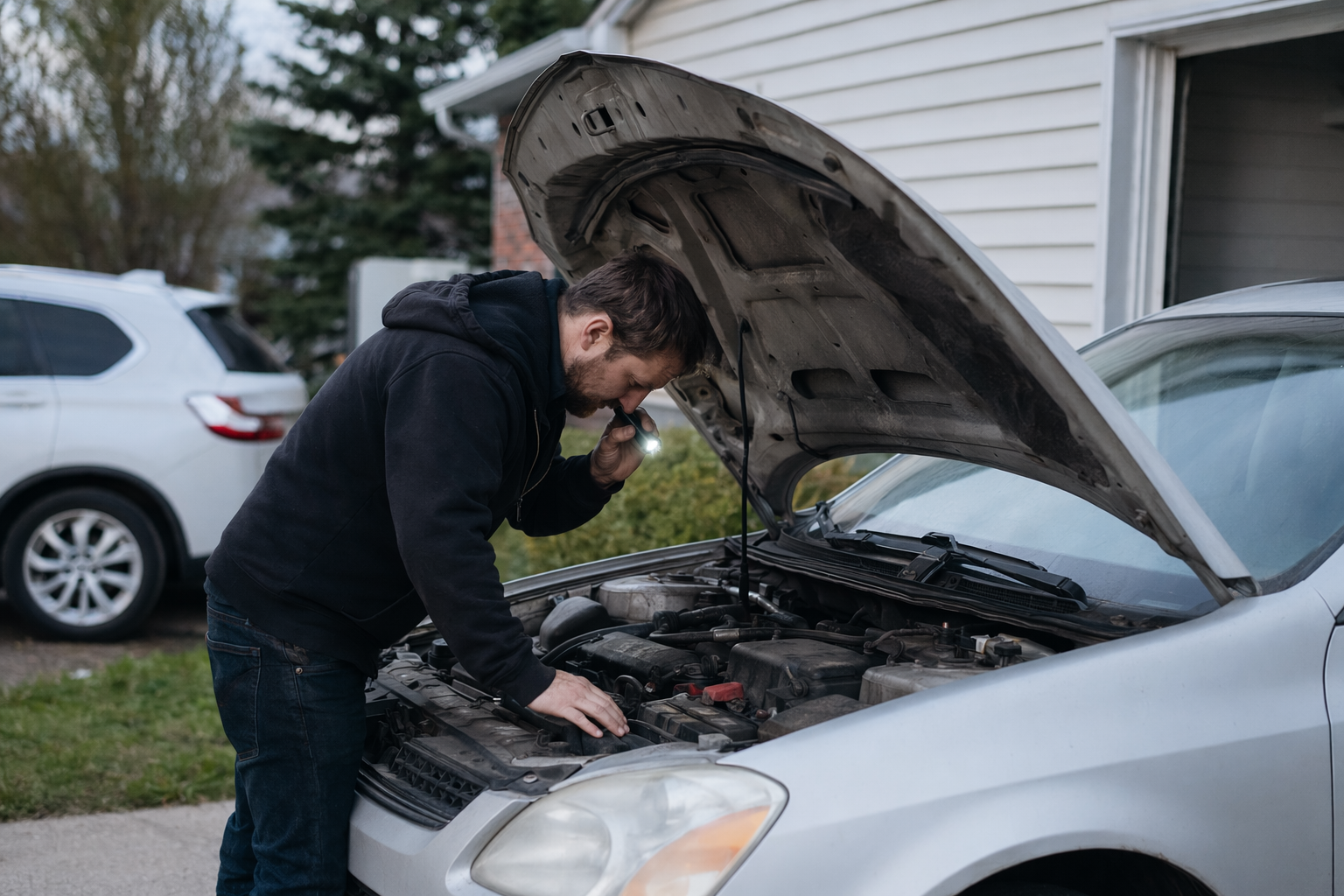
Short answer: licensed salvage yards, auto recyclers, and cash buyers often buy non-running cars
A car does not need to start to have value. Many non-running cars are still worth money because they have usable parts, scrap metal, rebuildable components, or paperwork that makes resale possible.
The most common buyers are:
- Licensed salvage yards that buy vehicles for parts value or scrap weight
- Auto recyclers that remove and resell usable used parts
- Cash-for-cars buyers that buy whole vehicles and resell, rebuild, or route them to recycling partners
What they pay is usually an estimate range, not a guaranteed price. The real amount depends on the year, make, model, condition, missing parts, weight, location, and current scrap and parts prices.
As a rough guide in many US markets:
- Older running car sold whole: about $300-$1,500
- Non-running car or dead engine: about $150-$600
- Wrecked or flood car: about $150-$900
- Scrap-only vehicle: about $100-$500
- Heavier truck or SUV by scrap weight: about $250-$1,200
If you want to compare local options, ScrapRoute can help you get matched for an offer at no cost. You compare the responses and decide who you want to deal with.
Why a car that won't run can still be worth money
A non-running car is not automatically worthless. Buyers look at what still works, what can be resold, and what the shell weighs.
Some examples:
- A car with a bad engine may still have a good transmission, wheels, doors, catalytic converter, electronics, seats, and body panels.
- A wrecked car may still have strong drivetrain parts or undamaged interior pieces.
- A flooded car may have lower value, but some non-electrical parts may still be useful.
- A very old vehicle with major damage may sell mostly for scrap metal weight.
That is why two cars that both "don't run" can bring very different amounts. A complete sedan with clean body panels may be worth more than a stripped SUV. A popular model with parts demand may be worth more than a car nobody wants parts from.
If you are trying to understand the value first, see how junk car prices work. If your main problem is that the vehicle will not start, this guide on selling a non-running car can help you understand what buyers usually ask.

What buyers usually ask before they give a number
Most buyers do not need a perfect inspection first, but they do need enough basic information to decide whether the car has parts value, scrap value, or both.
Expect questions like:
- Year, make, and model
- Does it run or drive at all?
- What is wrong with it? Dead battery, seized engine, accident damage, flood damage, transmission failure, missing catalytic converter, and so on
- Is the car complete? Missing wheels, engine, battery, airbags, or major parts can lower the amount
- What is the title status? Clean title, lost title, lien, salvage, rebuilt, or no title
- Where is the car located? Distance affects pickup cost and buyer interest
You usually do not need to share sensitive information just to start. Vehicle details and contact details are enough in most cases. Be careful with anyone asking for bank account numbers, Social Security numbers, or other records that are not needed for a normal vehicle sale.
If you are unsure what your car may be worth before talking to anyone, start with a quick value check.
How to sell a non-running car without getting lowballed or scammed
This is where people get burned. A buyer may sound friendly on the phone, then show up and try to drop the price. Or they may say towing is free, then charge a fee at pickup. You can protect yourself.
Follow these steps:
- Compare more than one buyer. Do not accept the first number just because the car will not start.
- Deal only with licensed, insured buyers. Ask for the business name and verify the license yourself.
- Get the details in writing before pickup. Confirm the amount, whether towing is included, and whether any fees apply.
- Keep your title and ID safe. Do not send more than necessary upfront.
- Do not hand over the title or keys until you are paid. If something changes at pickup, you can walk away.
- Check your state's title rules with the DMV. Title and lien rules vary by state. This is general information, not legal advice.
Free matching can help because it gives you options. ScrapRoute does not buy vehicles, tow them, or transfer titles. It is a free matching service that helps you connect with participating licensed buyers so you can compare and choose.
For more safety tips, read how to avoid junk car scams.
What to do next if you want cash, or if you actually need parts
ScrapRoute has two sides, and this matters.
If you want to sell a car that does not run:
- Gather the basic details: year, make, model, problem, location, and title status
- Be honest about missing parts and damage
- Compare local licensed buyers
- Confirm towing and fees in writing before pickup
If your car is damaged from an accident or flood, this page on selling a damaged or wrecked car may help.
If you are here because you need affordable used parts for a car that is down, that is different. You may be better off finding a used engine, transmission, door, mirror, wheel, or other recycled part instead of selling the vehicle right away. Used parts can cost much less than new ones, depending on availability and condition.
Typical ranges many drivers see:
- Used engine: a few hundred dollars up to about $1,500 installed-ready depending on the vehicle
- Used transmission: about $300-$1,200
If that is what you need, start here: find used auto parts.
If your car does not run, it still may be worth money for parts, scrap, or rebuilding. Gather the basic car details, compare licensed buyers, verify the license yourself, and do not hand over the title or keys until you are paid and the terms are in writing.
Common questions
Can I sell a car that doesn't run if the engine is blown?
Usually yes. A car with a blown engine may still have value for parts, recycling, or rebuilding. A typical range for a non-running car is often about $150-$600, but the real amount depends on the year, make, model, condition, missing parts, location, and current scrap and parts prices.
Do buyers pick up non-running cars for free?
Sometimes, but not always. Some licensed buyers include pickup in their written terms, and some may adjust the amount based on distance or vehicle access. Always confirm the amount, towing, and any fees in writing before pickup. ScrapRoute does not tow; it is a free matching service.
Can I sell a non-running car without a title?
Maybe, but it depends on your state and the buyer. Title and lien rules vary by state, so confirm your state's requirements with the DMV. This is general information, not legal advice. Deal only with licensed buyers, verify the license yourself, and never hand over keys or the vehicle before you understand the paperwork.
What if my car is worth more as parts than as a whole car?
That can happen, especially with popular models or vehicles that have one major failure but many good components left. Auto recyclers may value usable parts, while other buyers may focus more on scrap weight or resale potential. Comparing more than one licensed buyer can help you see the difference.