Selling a Car as a New US Arrival
If you are new to the US, selling an old car can feel confusing fast. The good news: you do not need to know every local rule on day one to compare buyers safely, understand rough price ranges, and avoid common mistakes.
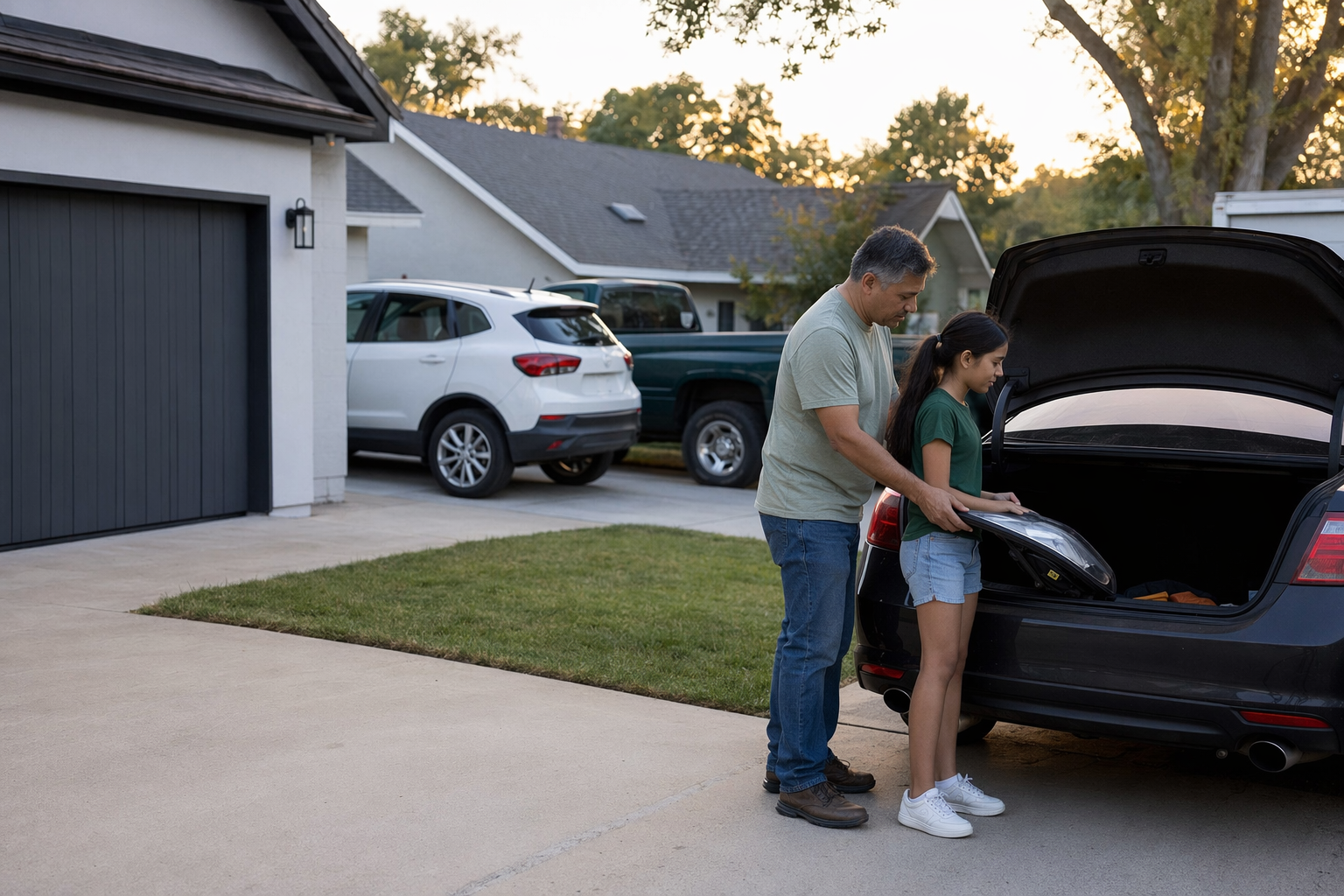
Start with the basics before you talk to any buyer
If the car is junk, damaged, flooded, wrecked, or will not run, you can still usually sell it. If you are trying to keep it on the road, used or recycled parts may cost much less than new ones.
Before you do anything, gather the simple facts a buyer or parts yard will ask about:
- Year, make, and model
- Whether the car starts, drives, or needs towing
- Main problem: dead engine, transmission issue, body damage, flood damage, missing parts, flat tires, or long-term sitting
- Your city or ZIP code
- Whether you have the title, and whether there is a lien
You do not need to give away sensitive information just to start comparing options. Basic vehicle and contact details are enough for a first match.
If your goal is to sell, start here: get matched for offers. If your goal is to keep the car and repair it, you may want to find used parts first.
For many new arrivals, the hardest part is not the car. It is the paperwork words. Ask simple questions and get answers in writing. That is normal. A real licensed buyer should be able to explain the pickup process, documents needed, and whether towing is included.
What to consider if you are new to US car paperwork
Rules can change by state, so be careful with assumptions from another country or even another US state.
Here are the big things to check:
- Title status. If you have the title, the sale is usually easier. If you lost it, or the title is in another person's name, ask what your state DMV requires. Title and transfer rules vary by state. This is general information, not legal advice.
- Lien status. If a bank or lender still has a lien on the car, you may need extra steps before the vehicle can be sold.
- Name matching. Make sure your ID and the title name are close enough to avoid problems. If your name changed or is spelled differently, ask your DMV what proof is required.
- Pickup terms. Confirm in writing who is picking up the car, whether towing is included, and whether any fees come out of the payment.
Most important: deal only with licensed, insured buyers, and verify the license yourself. Keep your title and ID safe. Never hand over the title or keys until you are paid. Before pickup, confirm the final amount, towing, and any fees in writing.
If the car is not running, this guide can help you understand the process: selling a non-running car.
If you are not selling and only need a lower-cost fix, used engines and transmissions can make sense when the car is otherwise worth saving. You can compare options here: used engines and transmissions.
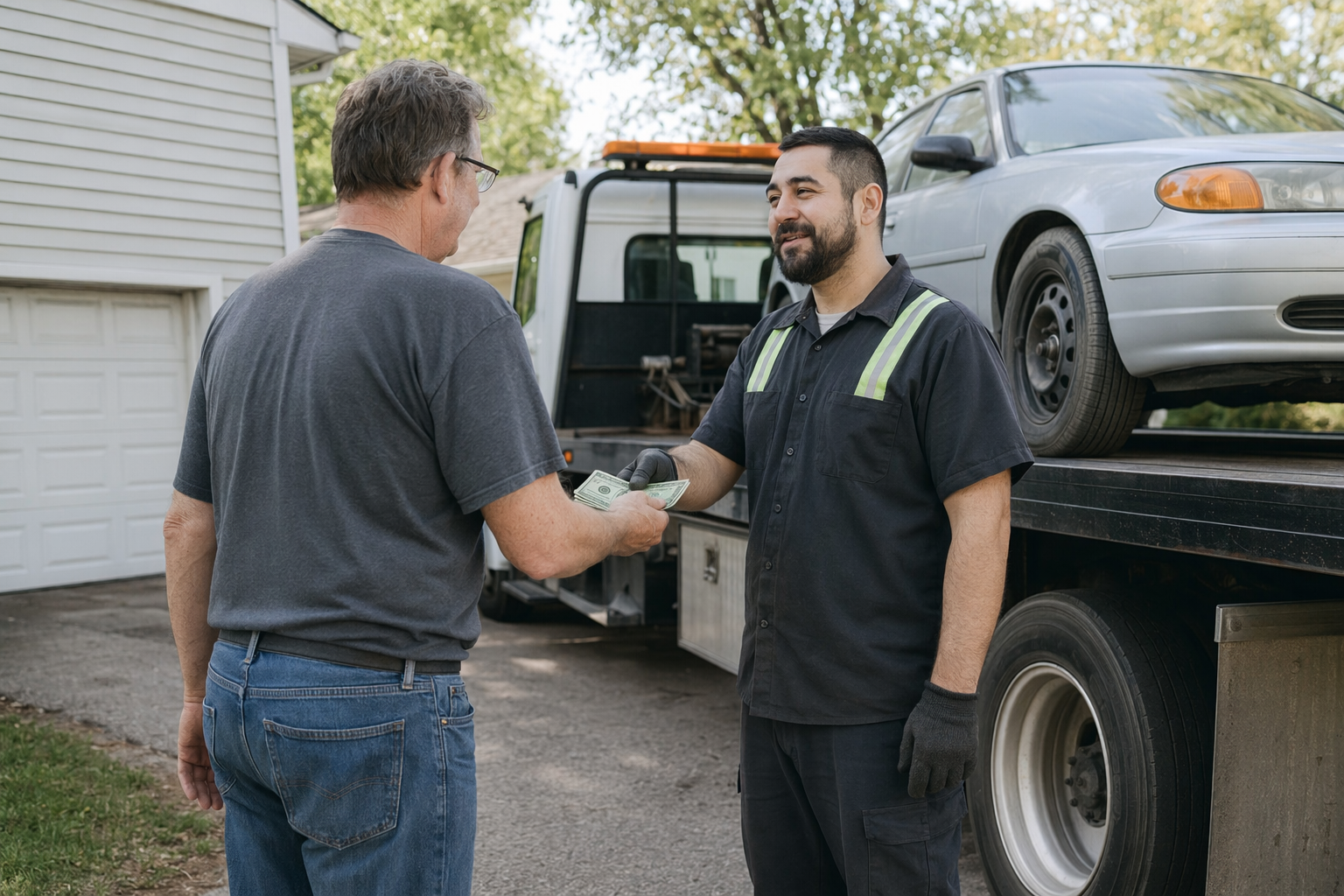
Honest cash ranges for junk, damaged, and non-running cars
People get frustrated because many ads make every junk car sound like it is worth a fortune. Real numbers are usually more modest.
Typical US ranges look more like this:
- Older running car sold whole: about $300-$1,500
- Non-running car or dead engine: about $150-$600
- Wrecked or flood car: about $150-$900
- Scrap-only vehicle: about $100-$500
- Heavier trucks and SUVs by scrap weight: about $250-$1,200
These are estimates, not offers. The real cash amount depends on the year, make, model, condition, weight, location, and current scrap and parts prices.
A few examples:
- A small sedan with a blown engine but complete body and catalytic converter may bring more than a stripped shell.
- A wrecked SUV may still have good parts value even if it does not drive.
- A flooded car can drop fast in value if electronics and interior are badly damaged.
- A very old car with missing wheels, no title, or major parts removed may be closer to scrap value only.
If you want to understand why prices move, read how junk car prices work. If your car was hit, damaged, or declared a total loss, this page is useful too: sell a damaged or wrecked car.
For used parts shoppers, honest ranges matter there too. A used engine is often a few hundred to around $1,500 installed-ready depending on the vehicle and setup. A used transmission often runs about $300-$1,200. Labor, warranty terms, and local availability can change the total.
How to avoid getting burned
New arrivals are often targeted by rushed, confusing deals. Slow the process down.
Use this checklist:
- Compare more than one buyer if you can
- Ask what changes the price at pickup
- Ask whether the payment is cash, check, or another method
- Confirm who signs the paperwork
- Remove personal items from the car
- Take photos of the vehicle before pickup
- Keep a copy or clear photo of what you sign
- Cancel plates and confirm your state's notice or release steps with the DMV
Watch for red flags:
- They refuse to put the amount in writing
- They ask for the title or keys before payment
- They say towing is free, then mention surprise fees later
- They pressure you to decide immediately
- They will not give license or business details you can verify
If a deal feels unclear, walk away. You are allowed to compare. You are allowed to ask basic questions twice. You are allowed to choose the buyer that feels safest, not just the fastest.
For more protection tips, read how to avoid junk car scams.
Your next step: sell the car or fix it with used parts
If the car is costing you space, towing risk, storage fees, or repair money you do not want to spend, selling may be the cleanest move. If the vehicle still fits your life and the repair is reasonable, used parts may help you keep driving without paying new-part prices.
A simple next step looks like this:
- Decide: sell it or repair it.
- Write down the car's basic facts and your ZIP code.
- Compare licensed options.
- Get the amount, towing terms, and fees in writing.
- Do not release the car, title, or keys until payment is made.
If you are ready to move, you can get matched now or first check a rough car value estimate.
ScrapRoute is a free matching service. You compare options, choose who to deal with, and confirm the final details before any pickup or payment.
If you are new to the US, start with the car's basic facts, compare only licensed buyers or parts sources, get the amount and towing terms in writing, and never hand over the title or keys until you are paid.
Common questions
Can I sell a junk car if English is not my first language?
Yes. Keep the process simple and ask for short written answers. Confirm the amount, towing, and any fees in writing before pickup. If something is unclear, ask the buyer to explain it in plain language. Only deal with licensed, insured buyers and verify the license yourself.
Do I need a title to sell my car?
Often yes, but rules vary by state. Some states allow limited exceptions in certain cases, while others are stricter. If the title is missing, damaged, or in another name, confirm your state's rules with the DMV before moving forward. This is general information, not legal advice.
How much is my non-running or damaged car worth?
Typical ranges are modest. A non-running car or dead-engine vehicle may be about $150-$600. A wrecked or flood car may be about $150-$900. Scrap-only vehicles may be about $100-$500. These are estimates, not offers. The real amount depends on the year, make, model, condition, weight, location, and current scrap and parts prices.
What if I want to keep the car but cannot afford new parts?
Used or recycled parts can be a smart option, especially for older cars. A used engine is often a few hundred to around $1,500 installed-ready depending on the vehicle and setup, and a used transmission is often about $300-$1,200. Compare condition, warranty terms, and total installed cost before deciding.