Sell the Car Whole vs Part It Out
Sometimes a car is worth more in pieces. But that does not always mean you will put more money in your pocket. Here is the honest tradeoff between selling the whole car for cash and trying to sell the parts yourself.
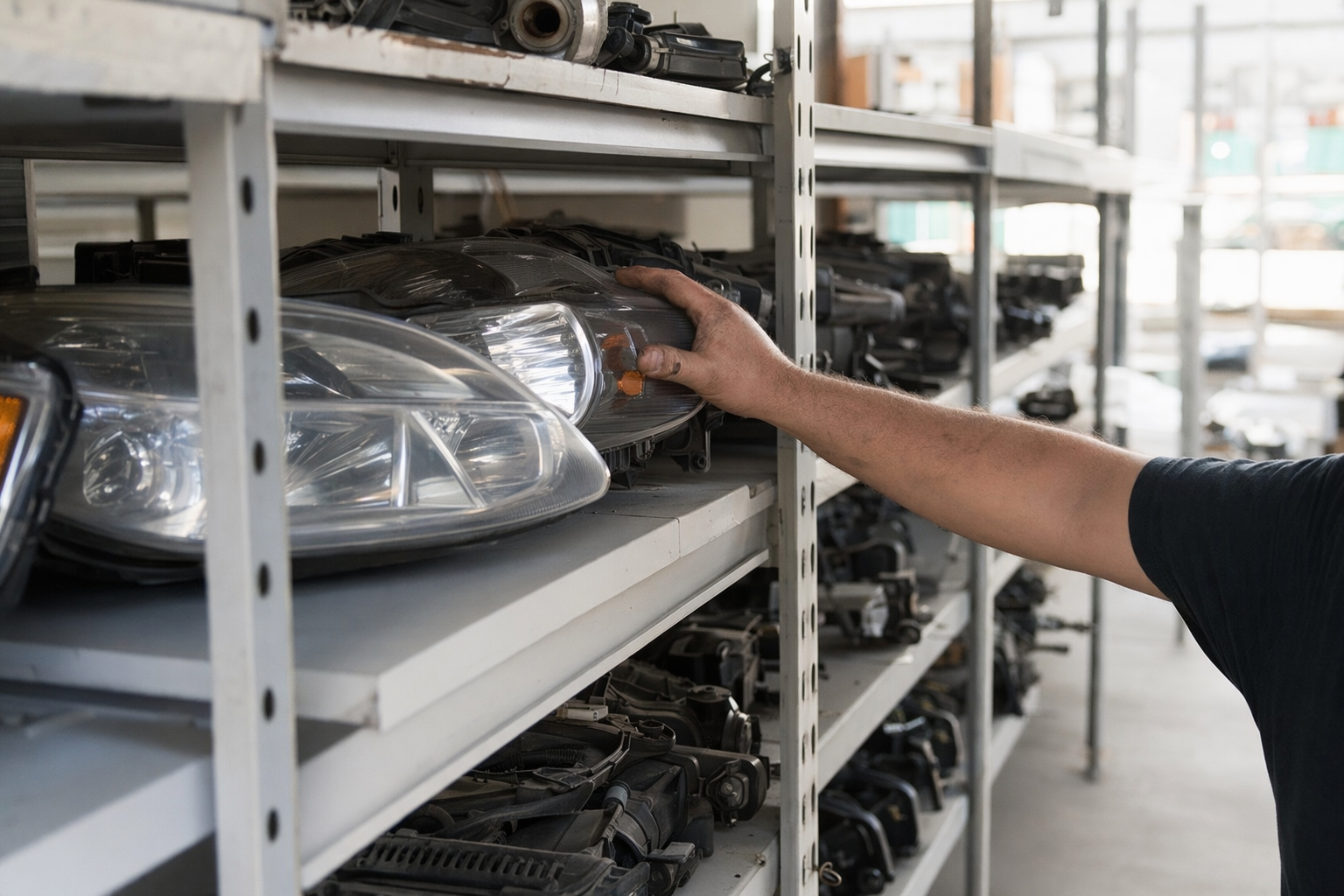
The short answer: more work can mean more money, but not always
If your car still has good parts people want, parting it out can bring in more total money than selling it whole. Common examples are newer wheels, catalytic converters, body panels, engines, transmissions, radios, and hard-to-find interior parts.
But there is a catch. You need time, space, tools, safe buyers, and a way to get rid of what is left. Many owners start with good intentions, sell two or three parts, then get stuck with a shell they still need to move.
Selling the car whole is usually simpler. For many older cars, non-running cars, wrecked cars, and flood cars, the real value comes down to the usable parts, the scrap weight, and local demand. A typical older running car sold whole might bring roughly $300-$1,500. A non-running car with a bad engine might be around $150-$600. A wrecked or flood car may land around $150-$900. Scrap-only vehicles are often roughly $100-$500, while heavier trucks and SUVs can be roughly $250-$1,200 by weight and parts demand.
These are estimates, not offers. The real cash offer depends on the year, make, model, condition, weight, location, and current scrap and parts prices. If you want a faster side-by-side look at value, start with how junk car prices work.
Whole car vs parts: honest comparison
1. Money
- Sell whole: Usually less total upside, but faster money with fewer headaches.
- Part it out: Possible higher total return if several major parts are still good and there is buyer demand.
2. Time
- Sell whole: Often the quickest route. You describe the car, compare matches, and choose who to deal with.
- Part it out: Photos, listings, messages, no-shows, negotiating, removing parts, storing parts, and then disposing of the shell.
3. Skill and tools
- Sell whole: Low effort.
- Part it out: You may need jacks, hand tools, engine hoists, safe storage, and mechanical know-how.
4. Risk
- Sell whole: Lower if you deal only with licensed, insured buyers and confirm towing and fees in writing.
- Part it out: More risk of strangers, payment problems, injury, property damage, and leftover waste.
5. Space
- Sell whole: Best if you need the car gone now.
- Part it out: You need a place where local rules allow the car to sit while you remove and store parts.
6. Best fit
- Sell whole: Best for most owners.
- Part it out: Best if the car has valuable parts, you know what you are doing, and you are not in a rush.
If your goal is simply to sell the vehicle safely and move on, get matched here and compare your options. If your goal is to keep another car on the road cheaply, used parts can make sense too, especially for engines and transmissions. Buyers looking for replacement parts can start at find used parts.
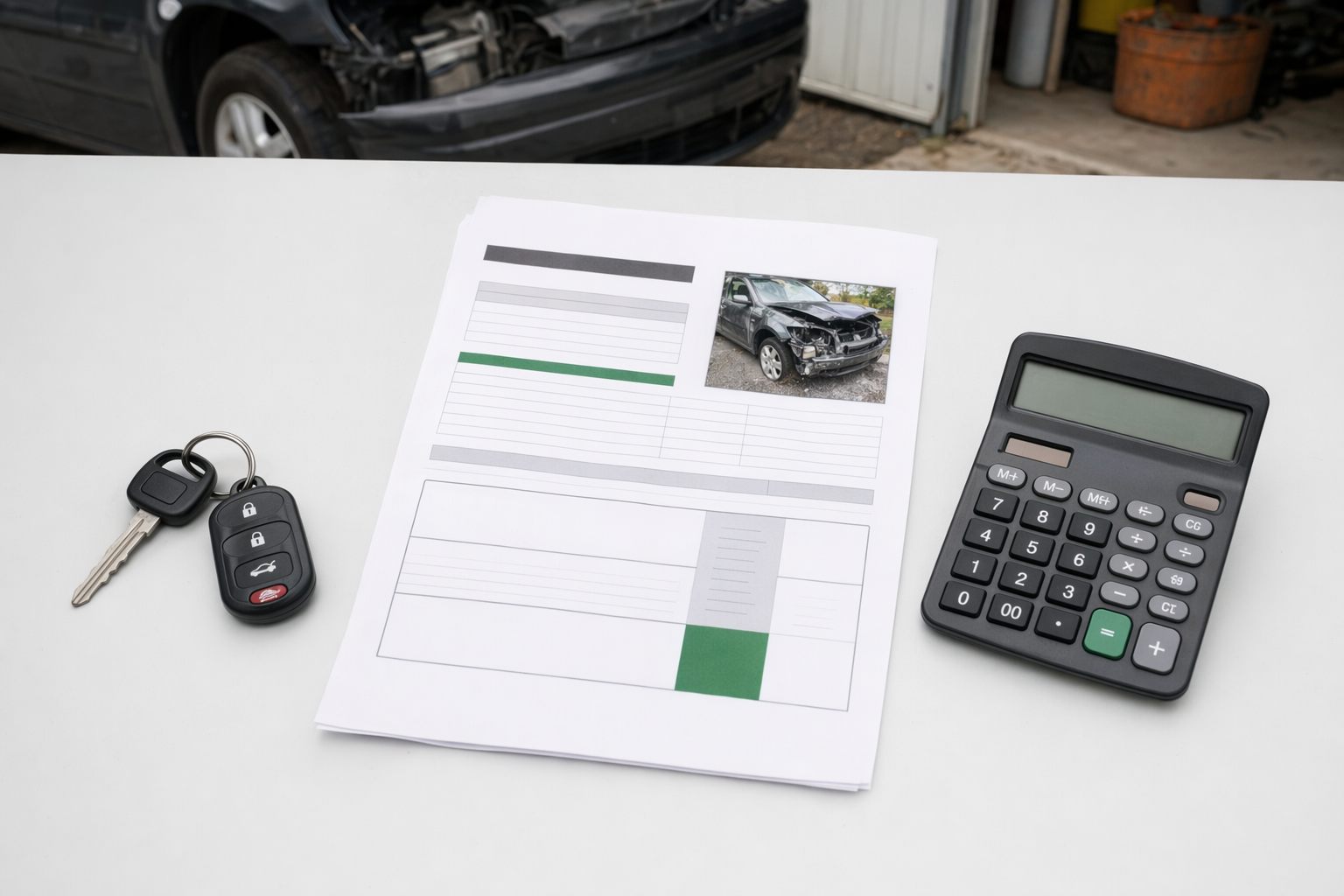
When selling the whole car usually makes more sense
Selling whole is often the better move when:
- The car is older, high-mileage, or has multiple problems.
- It does not run, and you do not want to diagnose what is good and what is bad.
- The body is badly damaged, flooded, stripped, or rusted.
- You live in an apartment, HOA area, or city where storing a disabled car can cause problems.
- You need the car gone fast.
- You do not want strangers coming to your home for individual parts.
A lot of owners overestimate what parting out really returns. On paper, the numbers can look great. In real life, some parts never sell. Some buyers want refunds. Some parts are expensive to ship. Large parts can sit for months.
There is also the final-shell problem. Once the easy parts are gone, the leftover body may be worth only scrap value. At that point, you still need a licensed buyer or yard to take it.
If your car does not run, you can compare the whole-car route here: sell a non-running car.
When parting it out can be worth it
Parting out can make sense if most of these are true:
- The car has high-demand parts that still work.
- You can safely remove parts yourself.
- You have legal space to keep the vehicle for a while.
- You are patient.
- You understand that the last 20% of the job can be the hardest part.
Examples where parting out may be worth a look:
- A car with a blown engine but a good transmission, clean doors, good wheels, and undamaged interior.
- A rear-end hit car where the front clip, drivetrain, and airbags were not affected.
- A vehicle with a rare trim, color, or hard-to-find parts.
For used-parts buyers, this is why recycled parts exist in the first place. A used engine is often a few hundred dollars to around $1,500 installed-ready depending on the vehicle. A used transmission is often roughly $300-$1,200. That can save real money versus new parts. If that is what you need, see used engines and transmissions.
Still, if you are the owner thinking of parting out your own car, be realistic. Ask yourself: can I actually remove, list, store, meet, and sell enough parts to beat a whole-car sale after my time and hassle?
How to decide and how to protect yourself
Use this quick decision test:
- Count the likely valuable parts. Be honest about condition.
- Ask how fast you need the car gone. Days or months?
- Price your time. If you spend 10-20 hours on this, what is that worth to you?
- Think about the leftover shell. Who will take it, and for how much?
- Compare the whole-car option first. Then decide if extra effort is truly worth it.
No matter which route you choose, protect yourself:
- Deal only with licensed, insured buyers or yards and verify the license yourself.
- Keep your title and ID safe.
- Never hand over the title or keys until you are paid.
- Confirm the final amount, towing, and any fees in writing before pickup.
- State title and lien rules vary. Confirm your state's rules with the DMV. This is general information, not legal advice.
If you are worried about lowballing or pickup surprises, read how to avoid junk car scams. If you are ready to compare your whole-car options, start here.
If you want the simplest path, sell the car whole and compare licensed buyers first. If you have time, tools, space, and a car with strong parts demand, parting it out may bring more money, but only if you can finish the job and safely handle the leftover shell.
Common questions
Will I always make more money by parting out my car?
No. You might make more in total if the car has several in-demand parts and you can sell them. But many owners do not count the time, tools, storage, no-shows, and the cost of getting rid of the shell. For a lot of people, selling the whole car is the better net result.
What parts usually bring the most money?
It depends on the vehicle, but engines, transmissions, catalytic converters, wheels, tires, doors, headlights, tail lights, bumpers, radios, and clean interior pieces are often the first parts people ask about. Demand changes by make, model, year, condition, and local market.
Can I sell a car whole if it does not run or has crash damage?
Yes. Many non-running, damaged, wrecked, and flood vehicles still have value for parts or scrap. Typical ranges are only estimates, not offers, and the real amount depends on the year, make, model, condition, weight, location, and current scrap and parts prices.
What should I check before any pickup or payment?
Deal only with licensed, insured buyers and verify the license yourself. Keep your title and ID safe. Never hand over the title or keys until you are paid. Confirm the amount, towing, and any fees in writing before pickup. Title and lien rules vary by state, so confirm your state's rules with the DMV. This is general information, not legal advice.