Are Used Auto Parts Reliable?
Yes, used auto parts can be reliable. But reliability depends on **which part you buy, how it was tested, who is selling it, and whether it is the correct fit for your vehicle**.
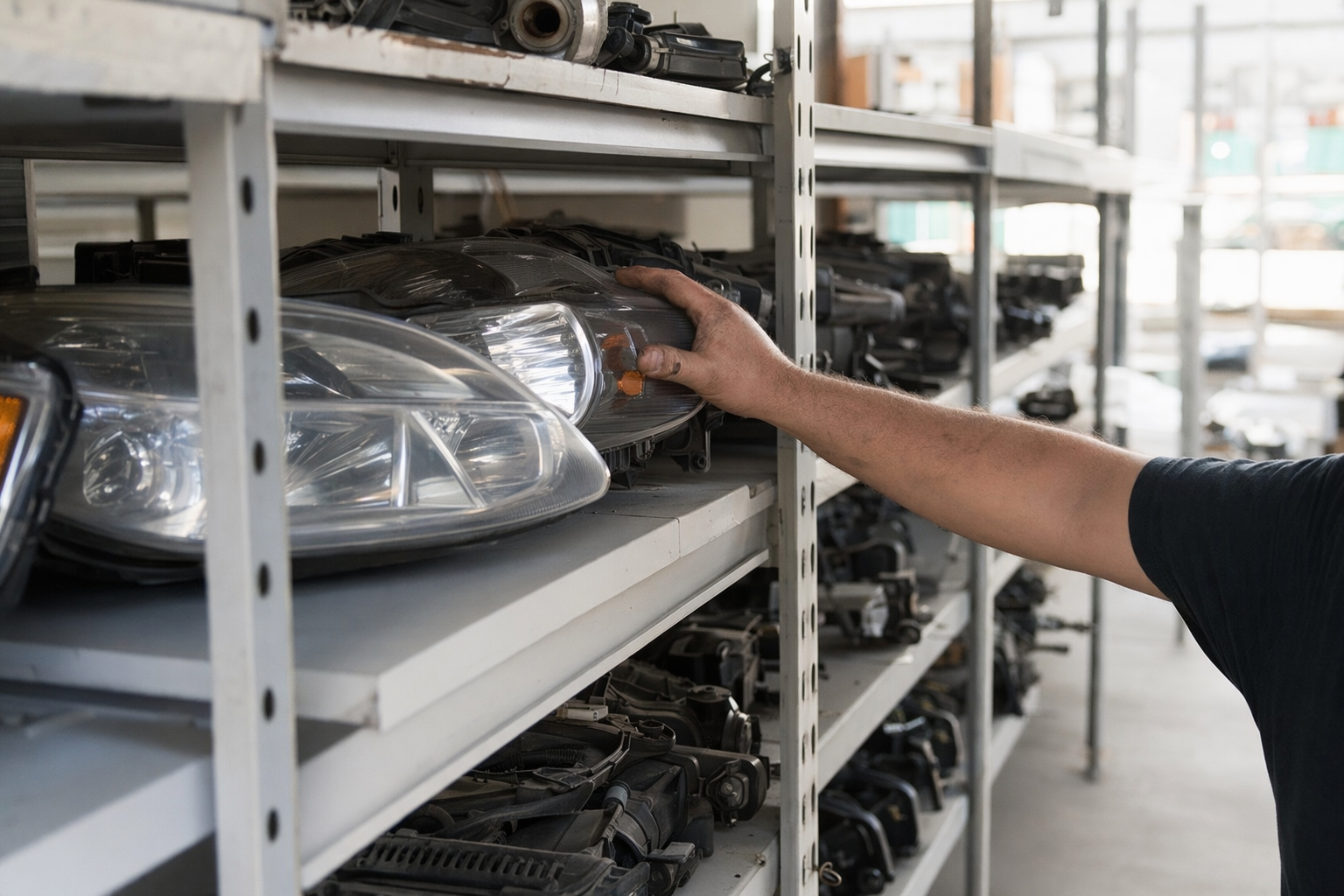
The short answer: some used parts are a smart buy
Used parts are often the best value when your car needs an expensive repair and you do not want to spend new-part money. This is especially true for older cars, daily drivers, and vehicles that are already high-mileage.
Good used parts can save real money. A used engine is often a few hundred dollars to around $1,500 installed-ready depending on the vehicle and what is included. A used transmission often runs about $300 to $1,200. Smaller parts like doors, mirrors, wheels, lights, seats, and trim can also cost much less used than new.
But not every used part is a good bet. Some parts hold up well for years. Others wear out fast or are too risky to install used.
In general, used parts are usually a better bet when they are:
- Hard parts like doors, hoods, bumpers, glass, wheels, axles, alternators, starters, seats, interior trim, and many body components
- Pulled from a vehicle with known year, make, model, and engine size
- Checked for damage, rust, cracks, leaks, or missing connectors
- Sold by a licensed, insured auto recycler or salvage yard that can clearly describe the part
If you are just starting your search, find used parts through licensed sources so you can compare options instead of guessing from random online listings.
Which used parts are usually reliable, and which ones need more caution?
Not all parts age the same way. A used fender is very different from a used airbag module or timing component.
Usually good used-part candidates
- Body panels: doors, hoods, trunk lids, tailgates, bumpers
- Lighting: headlamps, taillamps, fog lights if the tabs and lenses are intact
- Interior parts: seats, consoles, switches, trim pieces
- Wheels and some suspension parts if they are inspected for bends, cracks, and wear
- Mechanical assemblies like alternators, starters, axles, and some differentials when condition is verified
- Engines and transmissions from reputable recyclers that identify mileage, test results, and warranty terms
Use more caution with these
- Electronics with coding or programming needs
- Sensors that fail from heat, age, or water exposure
- Parts from flood-damaged vehicles if water may have reached electrical systems
- Safety parts like airbags, seat belt pretensioners, and advanced driver-assist components
- Rubber wear items like belts, hoses, mounts, and old tires
- Brake pads, filters, and similar maintenance items that are usually better bought new
A good rule: if the part is a simple physical piece, used is often fine. If it is a high-wear, high-heat, safety, or sensitive electronic part, ask more questions and compare carefully.
If you need a major powertrain part, used engines and transmissions deserve extra checking because fitment, mileage, and warranty details matter more than the lowest price.

What actually makes a used part reliable?
Reliability is less about the word used and more about the process behind it.
1. Correct fitment
A part can look right and still be wrong. Trim level, engine code, drivetrain, production date, and connector style can all matter. Always confirm the part matches your exact vehicle.
2. Condition before removal
A part from a car that was rear-ended may be fine if you need an engine. A part from a flood car may be risky if you need electronics. Where the donor vehicle was damaged matters.
3. Inspection and testing
Ask whether the part was visually inspected, tested on the vehicle, or bench-tested after removal. For engines and transmissions, ask about mileage, compression or run condition if known, and what accessories are included.
4. Storage and handling
Good recyclers label parts, protect connectors, drain fluids when needed, and store parts properly. Bad storage can ruin a good part.
5. Clear warranty terms
A warranty does not make a part perfect, but clear terms are a good sign that the seller stands behind what they match you with. Read what is covered, for how long, and whether labor is included or not.
6. A licensed, insured seller
Deal only with licensed, insured recyclers or yards, and verify the license yourself. That protects you from shady operators and helps you know who you are dealing with.
This matters on the selling side too. If you also need to get rid of your old car, compare your options through get offer so you can choose a licensed buyer and confirm details in writing before any pickup.
How to shop for used parts without getting burned
You do not need to be a mechanic to shop smart. Use this simple checklist.
- Have your year, make, model, engine size, and trim ready
- Describe the exact part you need, left or right side if relevant
- Ask whether the part came from a running vehicle, wrecked vehicle, or flood vehicle
- Ask about mileage for engines, transmissions, and other major assemblies
- Ask what is included: sensors, accessories, manifolds, harnesses, mounts, or bare assembly only
- Ask whether the part was tested and how
- Ask about the warranty and return window in plain language
- Confirm the final price, shipping or pickup details, and any core charge in writing
- Compare more than one source instead of taking the first answer
Watch for red flags:
- The seller cannot clearly identify the donor vehicle
- The story changes when you ask about damage, mileage, or testing
- The seller pressures you to pay fast
- The seller wants unusual payment methods with no paper trail
- Photos are unclear, old, or do not show the actual part
- There is no written record of what part you are buying
If you are comparing repair cost versus what the car is worth, check how junk car prices work. Sometimes the smartest move is fixing the car with a used part. Sometimes it makes more sense to sell the vehicle as-is and move on.
What to do next if your car needs a part or is not worth fixing
If your car needs a repair, take a minute and decide which path makes more sense.
Path A: Find the part
If the car still has life left in it, a used part may be the cheapest practical fix. Start with the exact vehicle details and compare licensed sources. Ask questions. Get terms in writing. Make sure the part fits before you commit.
Path B: Sell the car as-is
If the repair bill is too high, the engine is dead, the transmission failed, or the car has major damage, you may be better off selling it instead. Typical ranges are just estimates, not offers: an older running car sold whole is often about $300 to $1,500; a non-running car or dead-engine vehicle is often about $150 to $600; a wrecked or flood car is often about $150 to $900; scrap-only cars are often about $100 to $500. Heavier trucks and SUVs may bring about $250 to $1,200 by scrap weight. The real cash offer depends on the year, make, model, condition, weight, location, and current scrap and parts prices.
If you sell, protect yourself:
- Deal only with licensed, insured buyers and verify the license yourself
- Keep your title and ID safe
- Never hand over the title or keys until you are paid
- Confirm the offer amount, towing, and any fees in writing before pickup
- Title and lien rules vary by state, so confirm your state's rules with the DMV. This is general information, not legal advice.
If your vehicle is at that decision point now, sell a junk car or compare your options for a non-running car through ScrapRoute's free matching service.
Used auto parts can be reliable if you buy the right part from a licensed, insured source, confirm fitment, and get the details in writing. If the repair still costs too much, compare your options and consider selling the car as-is instead of putting more money into it.
Common questions
Are used engines and transmissions reliable?
They can be, especially when they come from a licensed recycler that can confirm fitment, mileage, condition, and warranty terms. Ask what was tested, what is included, and whether the part came from a wrecked, running, or flood-damaged vehicle. A lower price is not always a better value if the details are unclear.
Is it better to buy used or aftermarket parts?
It depends on the part. Used original equipment parts are often a strong choice for body panels, lights, interior pieces, wheels, and some mechanical assemblies because fit is usually better. Aftermarket may be fine for some new replacement items, but quality varies a lot. Compare fit, condition, warranty, and total installed cost.
How do I know if a used part fits my car?
Use the exact year, make, model, engine size, trim, drivetrain, and part description. For some parts, production date, connector type, or calibration matters too. Do not rely on photos alone. Ask the seller to confirm compatibility in writing before you pay.
When should I stop repairing my car and just sell it?
Usually when the repair cost is close to or more than the car's real value, or when the car has multiple big problems at once. A used part can make sense if it keeps a decent car on the road for less money. But if the car has a dead engine, transmission failure, flood damage, major crash damage, or long-term neglect, selling as-is may be the simpler choice.