Junk a Car or Donate It? Honest Look
If your car is old, damaged, or not worth fixing, you usually have two paths: sell it for cash or donate it. The right choice depends on the car's condition, your timeline, and whether you want money now or a possible tax deduction later.
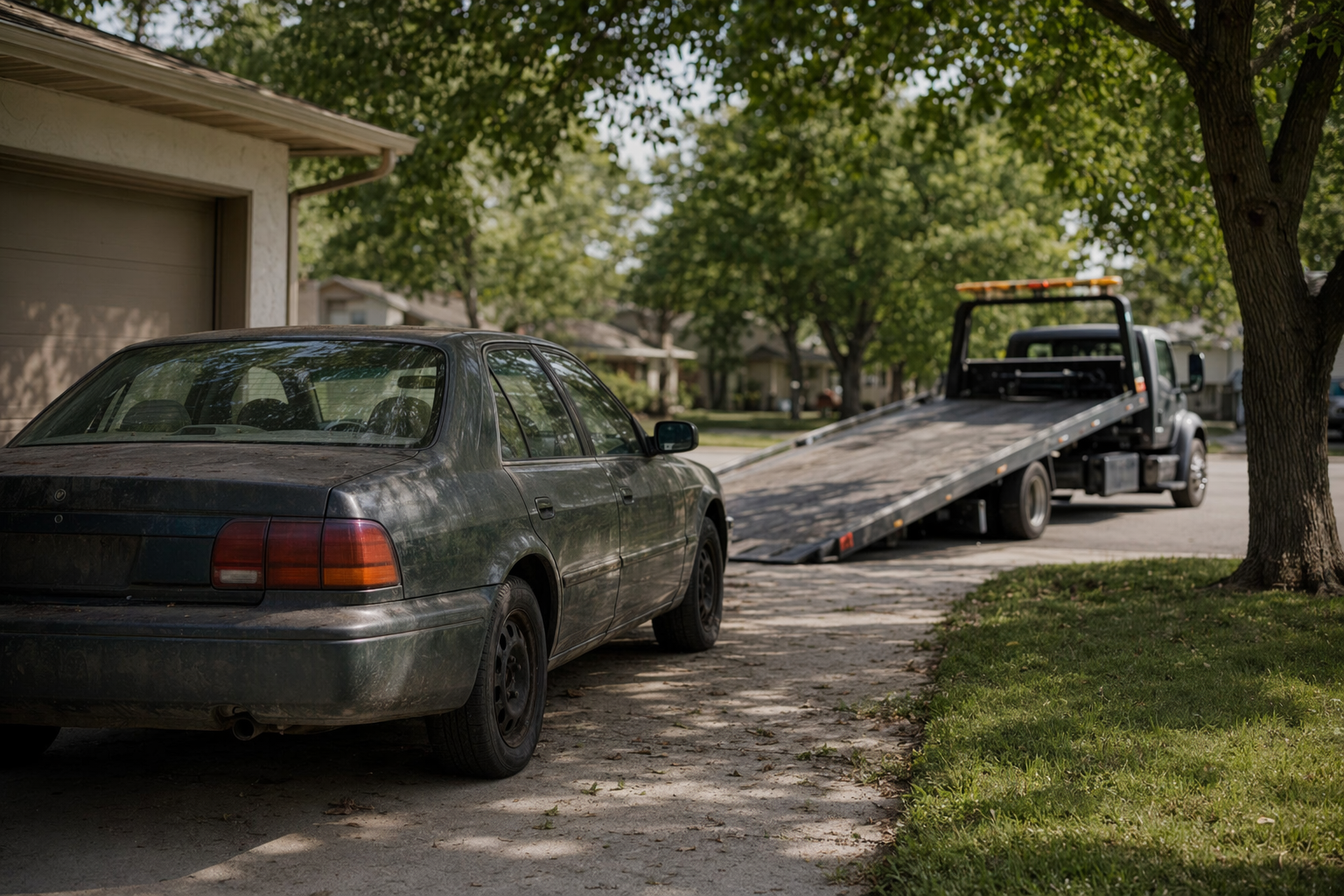
The short answer: most people junk the car, some people donate
For most owners, selling the car for cash makes more sense than donating it. Why? Because you know what you are getting up front. Even an old car with problems may still have value as a whole vehicle, for parts, or for scrap metal.
Typical ranges are only estimates, not offers. The real cash amount depends on the year, make, model, condition, weight, location, and current scrap and parts prices.
- Older running car sold whole: about $300-$1,500
- Non-running car or dead engine: about $150-$600
- Wrecked or flood car: about $150-$900
- Scrap-only vehicle: about $100-$500
- Heavier trucks and SUVs by scrap weight: about $250-$1,200
Donation can still be the better choice if:
- You do not want to spend time comparing buyers
- The car has very low cash value
- You care more about supporting a cause than getting paid
- You may benefit from a tax deduction and you understand how that works
If your goal is simple and practical, start by checking the car's likely value and comparing buyers. You can review how junk car prices work or start with a free match to local buyers.
When selling for cash usually wins
Selling usually wins when the car still has usable parts, decent scrap weight, or can be resold to a licensed recycler or cash-for-cars buyer.
A lot of owners assume a dead car is worth nothing. That is often wrong. A car with a bad transmission, engine trouble, body damage, or flood history may still have value because:
- Parts can be reused
- Catalytic converters and wheels may add value
- Heavy vehicles bring more by weight
- Some buyers want complete vehicles, not just scrap
This matters even more if your car is an SUV, truck, van, or a common model with parts people still need. If that sounds like your situation, compare your options instead of taking the first number you hear.
A few good next steps:
- Check a rough range on car value
- If the car does not run, review selling a non-running car
- Ask each matched buyer to confirm the amount, towing, and any fees in writing before pickup
Important: ScrapRoute is a free matching service. We do not buy vehicles, sell parts, tow cars, or handle title work. We help you connect with licensed, insured local buyers so you can compare offers and choose.
And protect yourself. Deal only with licensed, insured buyers. Verify the license yourself. Keep your title and ID safe. Do not hand over the title or keys until you are paid.

When donation may make more sense
Donation can be a good fit, but only if you go in with open eyes.
People sometimes think donation always gives a bigger tax break than selling for cash. That is not always true. In real life, a small cash payment today can be more useful than a deduction you may or may not fully benefit from later.
Donation may make sense if:
- The car's likely cash value is very low
- You already planned to support a charity
- You keep good records for taxes
- You understand that tax benefits depend on your own situation
A few honest things to remember:
- A tax deduction is not the same as cash in hand
- The deduction value depends on your tax situation
- Paperwork matters
- Title and release rules vary by state
Because state title and lien rules are different, confirm your own state's process with the DMV. This is general information, not legal or tax advice.
Whether you sell or donate, the same safety basics apply:
- Use a licensed, insured business
- Verify who is picking up the vehicle
- Confirm pickup terms in writing
- Never sign over anything you do not understand
- Remove personal items and data from the car first
If title questions are part of your decision, this general guide on title transfer basics can help you prepare before you talk to anyone.
A simple way to decide: compare the real-world tradeoffs
If you are stuck, use this quick test.
Choose selling for cash if:
- You want money now
- The car still has parts value or scrap value
- You are willing to compare a few licensed buyers
- You want more control over the deal
Choose donation if:
- Speed and simplicity matter more than cash
- You were already planning to support a cause
- The vehicle is worth very little in the local market
- You understand the paperwork and possible tax limits
Here is the part people miss: the decision is not only about the car. It is also about your time, your paperwork comfort level, and your need for cash.
For example, an older sedan with a blown engine might bring around $150-$600 from a buyer, depending on the exact vehicle and market. If that cash helps with rent, a repair on another car, or your next down payment, selling may clearly win.
But if the same car has little local demand and you strongly prefer donating, that can still be a reasonable choice.
Also, if your goal is to keep another vehicle on the road for less money, there is a third path: used parts. Instead of replacing the whole car, some owners save money by finding a used engine or transmission. A used engine is often a few hundred to about $1,500 installed-ready depending on the vehicle, and a used transmission is often about $300-$1,200. If that is what you need, see used engines and transmissions.
What to do next without getting burned
Here is a clean, safe process.
- Figure out the car's likely range. Use the year, make, model, whether it runs, major damage, and your location.
- Get matched with licensed buyers for free. Compare who actually wants the vehicle in your area through ScrapRoute's matching service.
- Ask clear questions. Is towing included? Are there fees? When do you get paid? What paperwork is needed in your state?
- Get everything in writing before pickup. That includes the amount, who is coming, whether towing is included, and any conditions.
- Protect your documents. Keep your title and ID secure. Never give the title or keys before payment. Confirm your state's title rules with the DMV.
- Remove personal items. Check the trunk, glove box, console, under seats, and remove plates if your state requires it.
Watch out for common problems:
- A high number on the phone that drops at pickup
- Surprise towing or paperwork fees
- Pressure to sign quickly
- Buyers who cannot show a license
- Requests for sensitive information you do not need to provide
You generally only need to share basic vehicle details and contact information to get started. Be careful with your data. If you want a deeper checklist, read how to avoid junk car scams.
Bottom line: donation can be right sometimes, but selling is usually the more practical choice if the car still has any market value. Compare carefully, stay in control, and confirm every detail before pickup.
If your car still has any value, selling it for cash usually makes more sense than donating it. Compare licensed buyers, get the amount and towing terms in writing, protect your title and ID, and do not hand over the keys until you are paid.
Common questions
Is donating a car better than junking it for cash?
Usually, no. For many owners, selling for cash is more practical because you know the amount up front. Donation may make sense if the car has very low value, you want to support a cause, or a possible tax deduction matters to you. The real cash amount depends on the year, make, model, condition, weight, location, and current scrap and parts prices.
How much is a junk car usually worth?
Typical ranges are estimates, not offers. An older running car might bring about $300-$1,500. A non-running car may be about $150-$600. A wrecked or flood car may be about $150-$900. Scrap-only vehicles often land around $100-$500, while heavier trucks or SUVs may be about $250-$1,200. Local demand and parts value matter a lot.
Can I donate or sell a car without a title?
Maybe, but it depends on your state and the buyer's rules. Title and lien rules vary by state, so confirm the process with your DMV. This is general information, not legal advice. Whatever path you choose, deal only with licensed, insured businesses, verify the license yourself, and do not hand over keys or documents until payment and terms are clear in writing.
What should I do before pickup if I decide to sell the car?
Remove personal items, ask for the amount and towing terms in writing, verify the buyer is licensed and insured, and confirm whether there are any fees. Keep your title and ID safe, and never hand over the title or keys until you are paid. You should also confirm your own state's title transfer rules with the DMV.