How scrap metal prices affect your car
Scrap metal prices can change what a junk car is worth, but they are only one part of the picture. Your car may be worth more as a whole vehicle or for usable parts, depending on its condition, weight, and local demand.
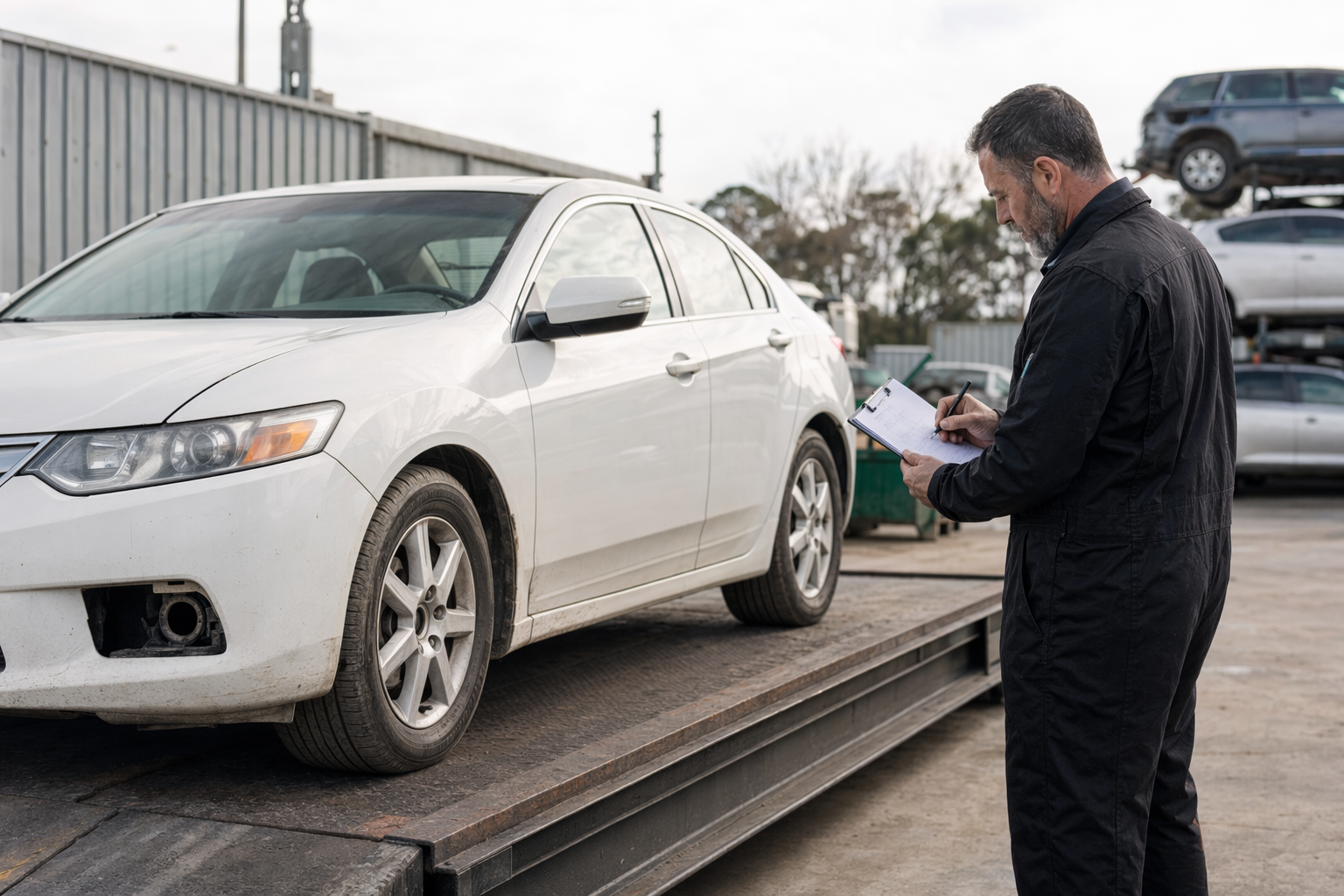
The short version: scrap price matters, but it is not the whole price
When people say, "My car is worth scrap," they usually mean the vehicle is old, damaged, non-running, or too expensive to fix. In that case, scrap metal prices do affect the number you may hear. But the real amount a licensed buyer may pay still depends on more than metal alone.
A few things matter at the same time:
- Weight: heavier cars, trucks, and SUVs often bring more at scrap-only value
- Condition: a car that still runs or rolls may be worth more than pure scrap
- Usable parts: wheels, catalytic converter, engine, transmission, body panels, and electronics can change value
- Location: local yard demand, distance, and regional metal prices matter
- Current market: scrap steel, aluminum, and parts demand move up and down
That is why two similar cars can get different numbers in different cities or even different weeks. A scrap-only small car may fall around $100-$500, while a heavier truck or SUV by weight may land around $250-$1,200. But if the vehicle is complete, in demand for parts, or still runs, it may be looked at differently than metal weight alone.
If you want a better idea before you compare matches, start with how junk car prices work.
What scrap metal prices change most
Scrap metal prices mostly affect the floor of your car's value. In plain words, they help shape the low-end number a buyer may be willing to pay for a vehicle that is headed mainly for recycling.
Here is where metal prices tend to matter most:
1. Very old cars with major problems
If the engine is blown, the transmission is gone, the body is badly rusted, and the car has little resale life left, metal weight becomes a bigger factor.
2. Burned, stripped, or heavily wrecked vehicles
If many good parts are missing or damaged, the buyer may look more at the shell's scrap weight.
3. Flood cars with severe damage
Some flood vehicles still have part value, but serious water damage can push the number closer to scrap.
4. Large SUVs, vans, and trucks
Heavier vehicles may hold more scrap value simply because they weigh more.
But scrap price matters less when the vehicle still has strong used-part demand. A non-running car with a clean body and desirable parts may still be more valuable than its weight suggests. The same goes for a wrecked car with a good engine, transmission, wheels, or interior pieces.
Typical ranges are still just estimates. An older running car sold whole might be roughly $300-$1,500. A non-running car with a dead engine may be around $150-$600. A wrecked or flood vehicle may be around $150-$900. These are not offers or guarantees. The actual cash amount depends on the year, make, model, condition, weight, location, and current scrap and parts prices.
If your car does not run, this page on non-running cars can help you think through what buyers often look at.
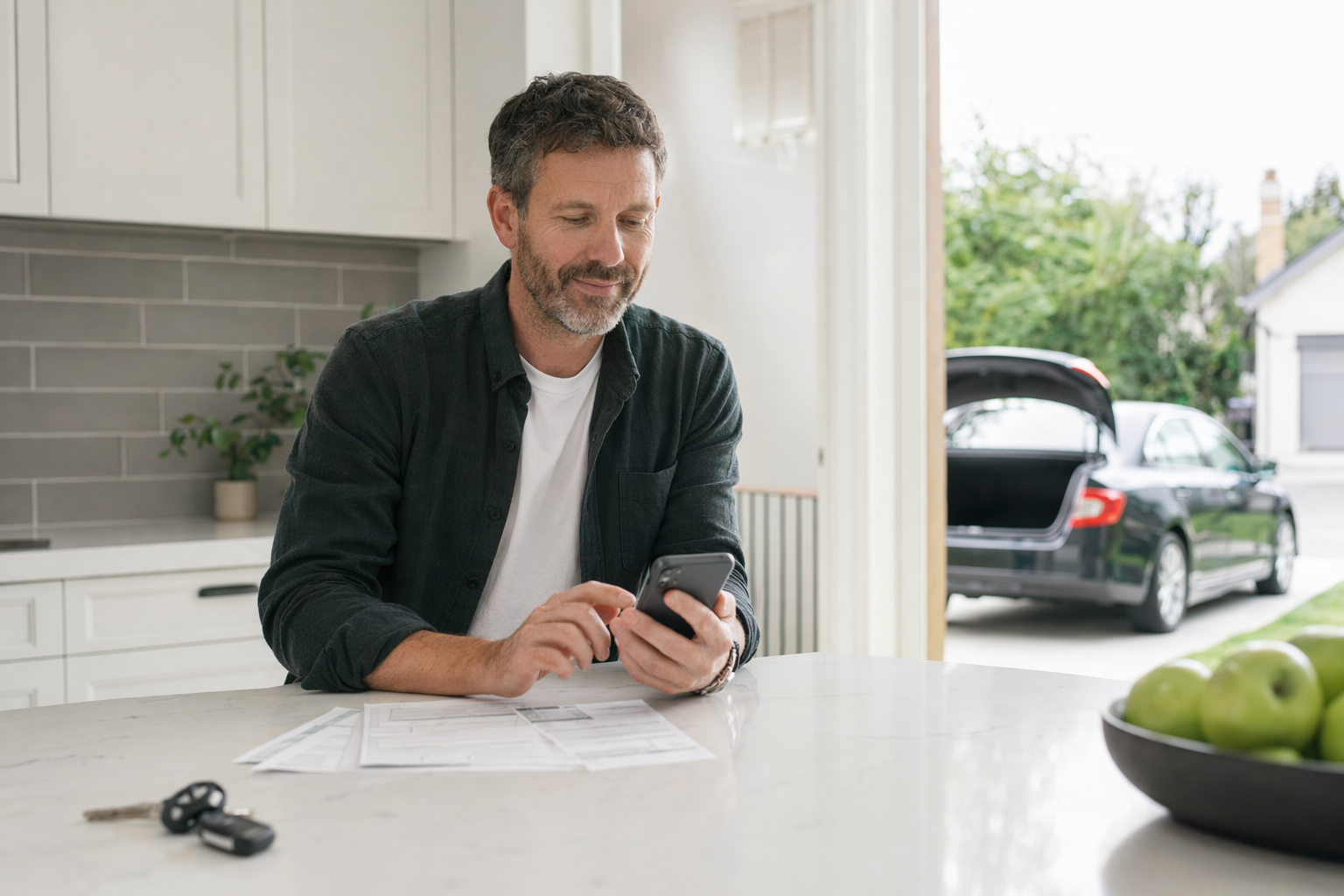
Why some cars beat scrap value
Many owners assume a junk car is priced like an empty soda can. That is not how licensed recyclers and buyers usually look at it.
A car can beat basic scrap value if it has one or more of these:
- A popular engine or transmission that other drivers need
- Good doors, hood, fenders, lights, or wheels
- A catalytic converter still present
- Airbags, modules, glass, seats, or trim in usable shape
- A model that is common on the road, which means more demand for parts
- A complete vehicle, even if it does not run
This also matters from the other side of ScrapRoute. If you are trying to save money on repairs, a recycled part can cost much less than new. For many everyday vehicles, a used engine may run from a few hundred dollars to about $1,500 installed-ready depending on the setup, and a used transmission may be roughly $300-$1,200. Availability changes by make, model, and location.
If you are shopping instead of selling, start with find used parts or learn more about used engines and transmissions.
The main lesson is simple: metal sets one layer of value, but parts demand can raise it. That is why comparing multiple licensed buyers matters.
What to do when scrap prices are low
Low scrap prices do not always mean you should take the first number you hear. A calm, basic process can protect you.
1. Describe the car honestly
Share the year, make, model, whether it runs, major damage, and whether key parts are missing. Good information helps you get more realistic estimates.
2. Compare multiple licensed matches
Use a free service like get an offer so you can compare options instead of depending on one local buyer.
3. Ask what the number is based on
Is it scrap weight only? Complete vehicle value? Part demand? You do not need a long speech. Just ask.
4. Confirm towing and fees in writing
Some pickups are described as free, but always confirm whether any deduction or extra charge applies before pickup. Read more at free towing explained.
5. Protect your paperwork
Deal only with licensed, insured buyers. Verify the license yourself. Keep your title and ID safe. Do not hand over the title or keys until you are paid. Title and lien rules vary by state, so confirm your state's rules with the DMV. This is general information, not legal advice.
If metal prices are weak this month, a complete vehicle with useful parts may still do better than you expect. If the car is truly scrap-only, comparing a few licensed local buyers can still help you avoid a lowball number.
Common mistakes people make
A lot of people lose money not because the market is terrible, but because they rush.
Here are common mistakes:
- Thinking every junk car is worth only weight
Many cars have used-part value beyond raw metal.
- Taking the first verbal number
A phone estimate is not enough. Confirm the amount, pickup terms, and any fees in writing.
- Not checking the buyer's license
Always verify that the buyer is properly licensed and insured in your state.
- Handing over title or keys before payment
This is one of the easiest ways to get burned.
- Ignoring state title rules
Some states are strict about title transfer, lost titles, and liens. Confirm with your DMV. ScrapRoute does not give legal or DMV advice.
- Giving too much personal information too early
You usually only need basic vehicle details and contact information to get matched. Do not send sensitive records you do not need to send.
If you want to avoid the usual traps, read how to avoid junk car scams.
Your next step: find out whether your car is scrap-only or worth more
If you are not sure where your car falls, that is normal. Most owners do not know whether they should think in terms of metal weight, whole-car value, or used-part demand.
A smart next step is to do two quick things:
- Check a rough estimate on car value
- Compare free matches through ScrapRoute so you can choose who to deal with
Remember, ScrapRoute is a free matching service. We do not buy cars, tow vehicles, dismantle cars, sell parts, or handle title transfer. We help you connect with licensed buyers, salvage yards, and auto recyclers so you can compare your options.
The best result usually comes from keeping your expectations realistic, knowing that scrap prices move, and making sure the final terms are clear before any pickup happens.
Scrap metal prices can change the low-end value of a junk car, but your car may still be worth more because of its weight, condition, or usable parts. Compare licensed buyers, get the terms in writing, and do not hand over the title or keys until you are paid.
Common questions
If scrap metal prices go up, will my junk car automatically be worth more?
Sometimes, but not always. Higher scrap prices can raise the base value of a scrap-only vehicle, especially if it is heavy. But the real cash amount still depends on the year, make, model, condition, weight, location, and current scrap and parts prices. A complete car with useful parts may be priced differently than a stripped shell.
What cars are affected most by scrap prices?
Cars that are very old, badly damaged, stripped, burned, or mostly useful only for recycling are usually affected the most. Large trucks and SUVs can also be influenced more because of their weight. Cars with strong parts demand may be worth more than scrap even when metal prices are low.
Should I wait to sell my car until scrap prices rise?
Maybe, but only if the car is truly scrap-only and you can store it safely. If the car is sitting in the way, collecting tickets, leaking fluids, or losing parts, waiting may not help. The better move is often to compare licensed buyers now and see whether the vehicle has value beyond metal weight.
How do I stay safe when selling a junk or damaged car?
Deal only with licensed, insured buyers and verify the license yourself. Keep your title and ID safe. Never hand over the title or keys until you are paid. Confirm the amount, towing, and any fees in writing before pickup. Title and lien rules vary by state, so check with your DMV for your state's requirements. This is general information, not legal advice.