Selling an Abandoned Car on Your Property
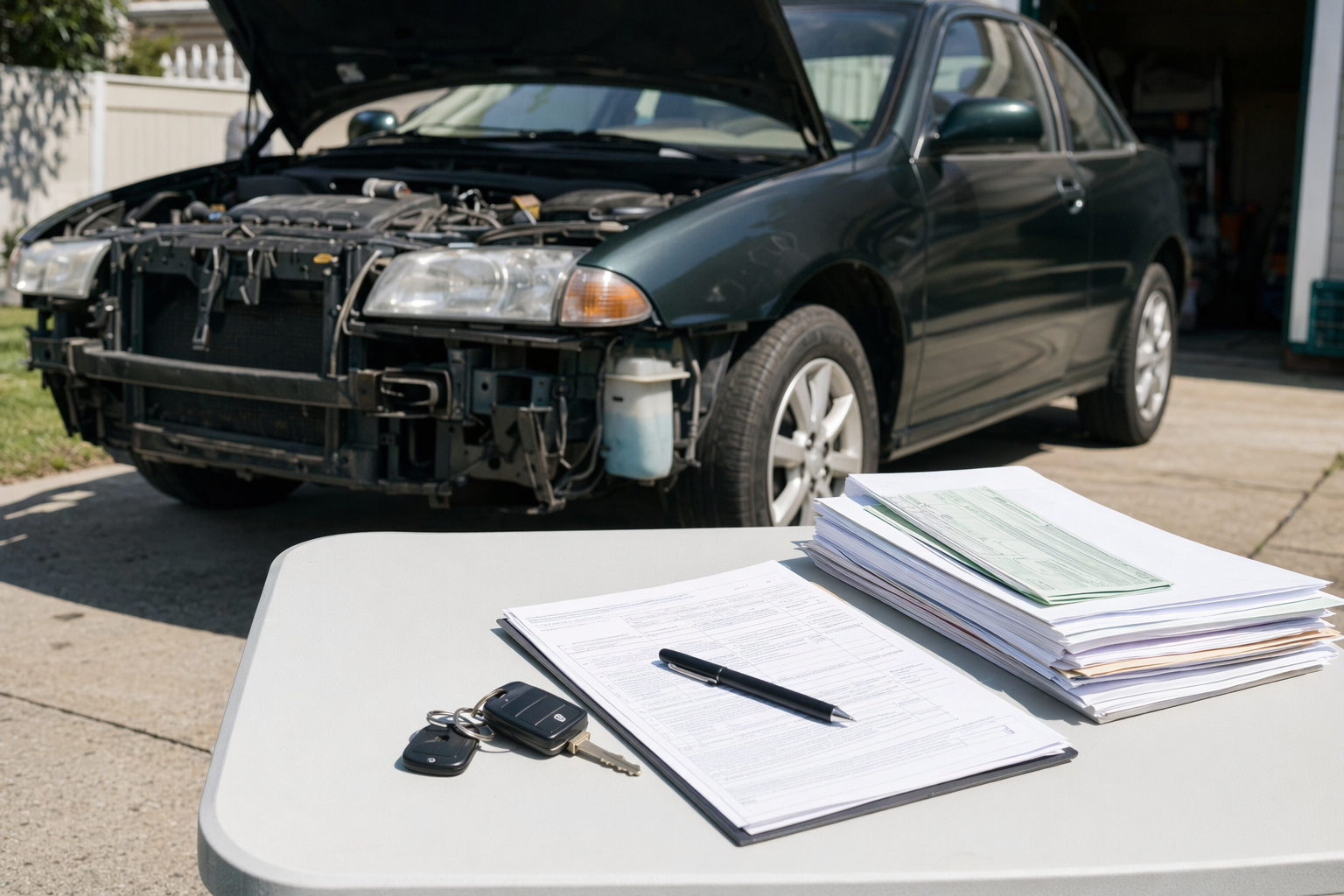
If a car has been left on your property, you may be able to remove it and, in some cases, sell it. But the rules are very state-specific, and you should not assume you can transfer ownership just because the car was abandoned.
The short answer
Sometimes yes, sometimes no. Whether you can sell an abandoned car depends on who owns the property, how long the car has been there, whether you can contact the owner, and what your state DMV requires.
In many states, a private property owner cannot simply call a buyer and hand over the car for cash. You may need to report the vehicle, send notices, apply for an abandoned-vehicle process, get a court or DMV form, or work through law enforcement, code enforcement, a landlord process, or a licensed towing/storage process.
If you already have the legal right to sell the vehicle, ScrapRoute can help you compare interest from licensed, insured buyers for a junk, damaged, flooded, or non-running car. You stay in control. You compare offers, you choose who to deal with, and you confirm everything in writing before pickup. Start with selling a junk car or learn how junk car prices work.
Typical ranges only, not offers: an older running car sold whole may bring about $300-$1,500. A non-running car is often around $150-$600. A wrecked or flood car may be around $150-$900. Scrap-only vehicles are often $100-$500, while heavier trucks and SUVs may land around $250-$1,200 by scrap weight. The real cash offer depends on the year, make, model, condition, weight, location, and current scrap and parts prices.
Before you try to sell it, make sure you actually have the right
This is where people get in trouble. The car may be unwanted, but that does not automatically mean it is yours to sell.
Look at these questions first:
- Is the car on your private property? A vehicle on a public street usually follows a different process.
- Do you own the property, or are you a tenant, manager, or relative? The person with authority over the property may matter.
- Do you know who owns the vehicle? If yes, the cleanest path is often to have the owner remove it or sign the proper title paperwork.
- Does the vehicle have plates, a registration sticker, or notices on it? That can help local authorities identify it.
- Is there a lien on the vehicle? A lender's interest can affect what can happen next.
A good next-step checklist:
- Document the car. Take photos of the vehicle, where it is parked, plate if visible, and any damage.
- Write down dates. Note when you first saw it and any attempts to contact the owner.
- Call your local police non-emergency line, code enforcement, HOA, landlord office, or city parking department to ask what abandoned-vehicle process applies.
- Check your state's DMV website for abandoned vehicle and title rules.
- Do not move, strip, or sell the vehicle until you know the legal process.
Title and lien rules vary by state. Confirm your state's rules with the DMV. This is general information, not legal advice. If you do become legally allowed to transfer ownership, read more about title transfer basics.
What usually happens in real life
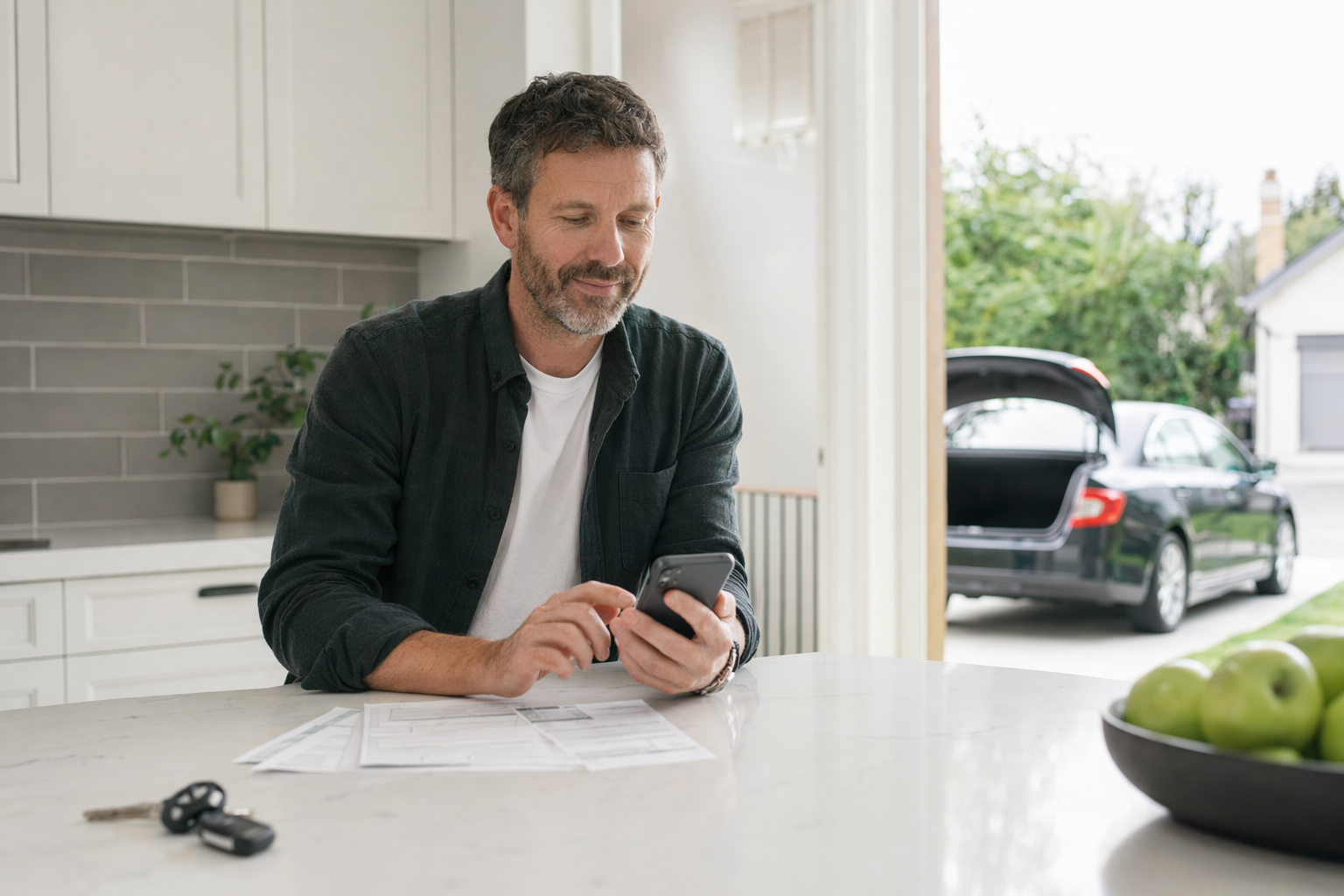
Most abandoned-car situations fall into one of these buckets:
1. The owner can still be found
This is the simplest case. If the owner agrees to remove the car, great. If not, they may still need to sign title documents before any sale can happen.
2. The car is truly abandoned, but you need state paperwork first
Some states require mailed notice, waiting periods, DMV filings, inspections, or an auction-type process before ownership can change.
3. A tow or storage process may apply
In some places, only certain licensed businesses or property-management processes can handle abandoned vehicles. That is one reason you should never assume a random buyer can just pick it up and make it legal later.
4. The car is only worth scrap or parts
Even then, the paperwork still matters. A car with no keys, flood damage, crash damage, or a dead engine may have low market value, but it can still need proper title handling.
If you end up with the legal right to sell, the value will depend on what the vehicle still has left:
- Complete catalytic converter and major parts still present
- Engine and transmission condition
- Body damage and flood history
- Whether tires roll and steering works for loading
- Vehicle weight, especially for trucks and SUVs
- Distance from a licensed buyer or recycler
That is why two similar-looking cars can get very different numbers. To understand the moving pieces, see how junk car prices work.
How to protect yourself from bad deals
Abandoned-car situations attract confusion, and confusion attracts lowballers and shady operators. Keep it simple and safe.
Only deal with licensed, insured buyers, and verify the license yourself. Do not rely on a text message that says "we are licensed."
Use these rules every time:
- Keep your title and ID safe.
- Never hand over the title or keys until you are paid.
- Confirm the offer, towing, and any fees in writing before pickup.
- Ask whether the price changes if the car is missing parts, has no wheels, or cannot be loaded easily.
- Ask who is coming to pick up the vehicle and what company they represent.
- If a tow is included, ask whether it is really free or only free under certain conditions. Learn more in free towing explained.
- If anything feels rushed, vague, or different at pickup, stop the handoff.
Remember, ScrapRoute is a free matching service. You are not locked in. Participating yards and buyers pay a flat fee to be matched. You compare options and choose what works for you. If you want to be careful about scams and bait-and-switch tactics, read how to avoid junk car scams.
What to do next
If the car on your property is abandoned, the smart path is:
- Find out whether you can legally sell it in your state. Check with the DMV and local authorities first.
- Gather basic vehicle details only. Year, make, model, condition, location, and whether it runs. You do not need to over-share sensitive information.
- If you have the right to sell, compare licensed buyers. For a dead car, start at non-running car help. For crash or flood damage, use damaged or wrecked car help.
- Get the details in writing before pickup. Price, towing, timing, and any conditions.
- Complete the handoff carefully. Payment first, then keys and signed paperwork.
And if you are on the other side of the problem because you need a low-cost replacement part for your own car, ScrapRoute can also help you find used auto parts. That can be a smart move if you are fixing an older vehicle on a budget.
Bottom line: an abandoned car can sometimes be sold, but only after you confirm the legal process. Once that part is clear, comparing licensed buyers can help you avoid headaches and weak offers.
First, check with your DMV or local authority to see if you can legally sell the abandoned car. If you can, compare licensed, insured buyers, get the price and towing terms in writing, and do not give the title or keys until you are paid.
Common questions
Can I sell a car left in my driveway if I do not have the title?
Maybe, but not automatically. In many states, you cannot legally sell a vehicle without going through an abandoned-vehicle, lien, storage, or title process first. Check with your state's DMV and your local authorities. This is general information, not legal advice.
How much is an abandoned junk car usually worth?
Only as a rough estimate, an older running car sold whole may be around $300-$1,500. A non-running car is often about $150-$600. A wrecked or flood car may be around $150-$900. Scrap-only vehicles are often $100-$500, and heavier trucks or SUVs may be about $250-$1,200. The real cash offer depends on the year, make, model, condition, weight, location, and current scrap and parts prices.
Should I let a buyer take the car first and pay me later when the paperwork clears?
No. Keep your title and ID safe, and never hand over the title or keys until you are paid. Also confirm the amount, towing, and any fees in writing before pickup. Only deal with licensed, insured buyers, and verify the license yourself.
What information do I need to compare buyers?
Usually just basic vehicle and contact details: year, make, model, location, whether it runs, and visible damage or missing parts. Do not over-share sensitive information. VIN, bank details, Social Security numbers, and similar records should not be treated as a routine requirement just to start comparing options.