Sell-your-junk-car checklist
This free checklist helps you get ready before you sell a junk, damaged, or non-running car for cash. It is made to help you compare buyers, protect your paperwork, and avoid the small mistakes that can cost you money.
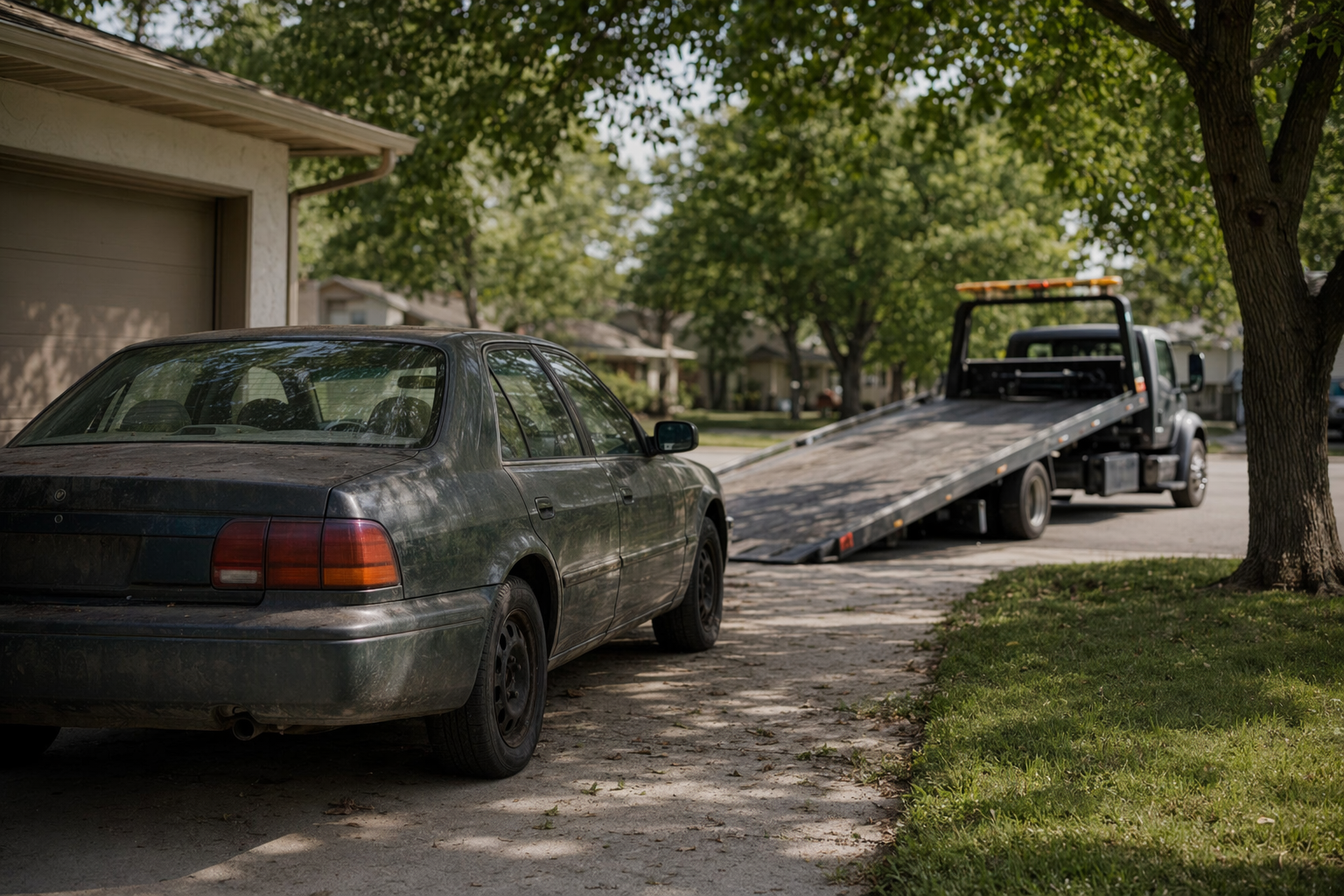
What this free checklist is
The sell-junk-car-checklist.pdf is a simple prep sheet you can use before pickup day. It is not a contract, not a legal form, and not a value guarantee. It is a practical list of the steps many car owners forget when they are in a hurry.
Use it if you want to sell an old car, a dead car, a wrecked car, a flood car, or a vehicle that only has scrap value. It is also useful if you are still comparing options and want to understand how pricing usually works. If you want to start comparing licensed buyers first, you can use get matched here or read how junk car prices work.
Important: ScrapRoute is a free matching service. We do not buy cars, tow cars, transfer titles, or sell parts. We help you connect with licensed, insured buyers and recyclers so you can compare and choose.
What the checklist helps you do
A lot of people lose money because they skip the basics. The checklist is meant to slow the process down just enough so you can confirm the important details.
It helps you remember to:
- write down the year, make, model, condition, and location of the vehicle
- ask whether the vehicle will be bought for parts value, scrap weight, or resale as-is
- compare typical price ranges instead of trusting the first number you hear
- confirm whether towing is included and whether any fees may be deducted
- remove personal items and delete saved data from the car if needed
- keep your title and ID safe until you are paid
- get the final terms in writing before pickup
Typical ranges can vary a lot. An older running car sold whole might be roughly $300-$1,500. A non-running car with a bad engine might be around $150-$600. A wrecked or flood car may be roughly $150-$900. Scrap-only vehicles are often around $100-$500, while heavier trucks and SUVs by weight can be roughly $250-$1,200. These are estimates only, not offers. The real amount depends on the year, make, model, condition, weight, location, and current scrap and parts prices.
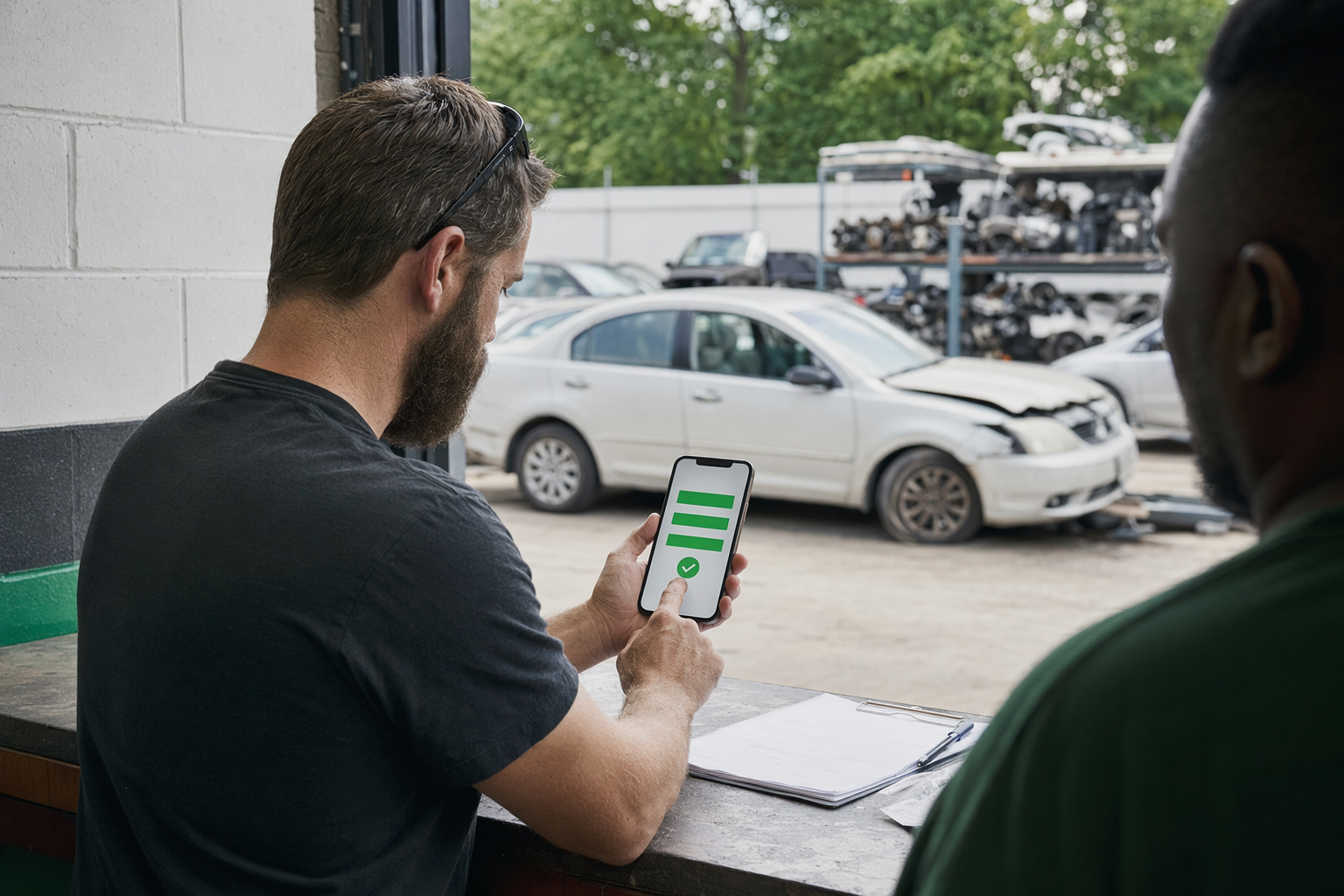
How to use it before you agree to pickup
You do not need to do everything at once. A simple step-by-step approach works best.
- Gather basic car details. Year, make, model, whether it runs, major damage, and where it is parked.
- Check rough value first. Use a guide like vehicle value so you have a realistic starting point.
- Compare more than one buyer. This is where many people avoid a lowball number.
- Ask for the full terms in writing. Confirm the price, whether towing is included, and whether there are any pickup or paperwork fees.
- Check license and insurance yourself. Do not assume. Verify before you schedule.
- Protect your documents. Never hand over the title or keys until you are paid.
- Confirm your state's title rules. Title and lien rules vary by state, so check with your DMV. This is general information, not legal advice.
If your car does not run, see selling a non-running car. If it was wrecked or flooded, this guide can help.
Why this matters for safety and scams
Most problems happen when a seller feels rushed. A caller says they will pay one amount, then the driver shows up and offers less. Or they say towing is free, then try to charge a surprise fee at pickup.
The checklist helps you catch those problems early.
Always do these things:
- deal only with licensed, insured buyers
- verify the license yourself
- keep your title and photo ID secure
- never hand over the title or keys until you are paid
- confirm the final amount, towing terms, and any fees in writing before pickup
If you want extra help spotting red flags, read how to avoid junk car scams.
Download it and use it with your own notes
This download is meant to be practical. Print it, save it on your phone, or use it as a simple guide while you talk to buyers. Add your own notes, questions, and appointment details.
It can also help if you are using ScrapRoute for the other side of the service too: finding affordable used parts. If selling the car no longer makes sense, you may want to compare replacement options like used parts or used engines and transmissions.
The goal is simple: you compare offers, you choose who to deal with, and you confirm everything before any pickup or payment.
Download the free checklist, gather your car details, compare licensed buyers, and get the price, towing, and fees in writing before pickup. Keep your title and keys until you are paid, and check your state's DMV rules if you have title questions.
Common questions
Is this checklist really free?
Yes. The download is free to use. ScrapRoute is also free for car owners and parts buyers who want to get matched with participating licensed businesses.
Does the checklist tell me exactly what my junk car is worth?
No. It is a prep tool, not an appraisal. Any cash amount is only a typical range or estimate. The real offer depends on the year, make, model, condition, weight, location, and current scrap and parts prices.
Do I need a title before I use this checklist?
You can still use the checklist to prepare, but title rules vary by state and by vehicle situation. Confirm your state's requirements with the DMV, and do not treat this page as legal advice. Keep your title safe, and never hand it over before payment.