Title and paperwork checklist
Selling an old, damaged, or non-running car gets easier when your paperwork is ready before pickup day. This free checklist helps you stay organized, protect your title and ID, and confirm the important details in writing.
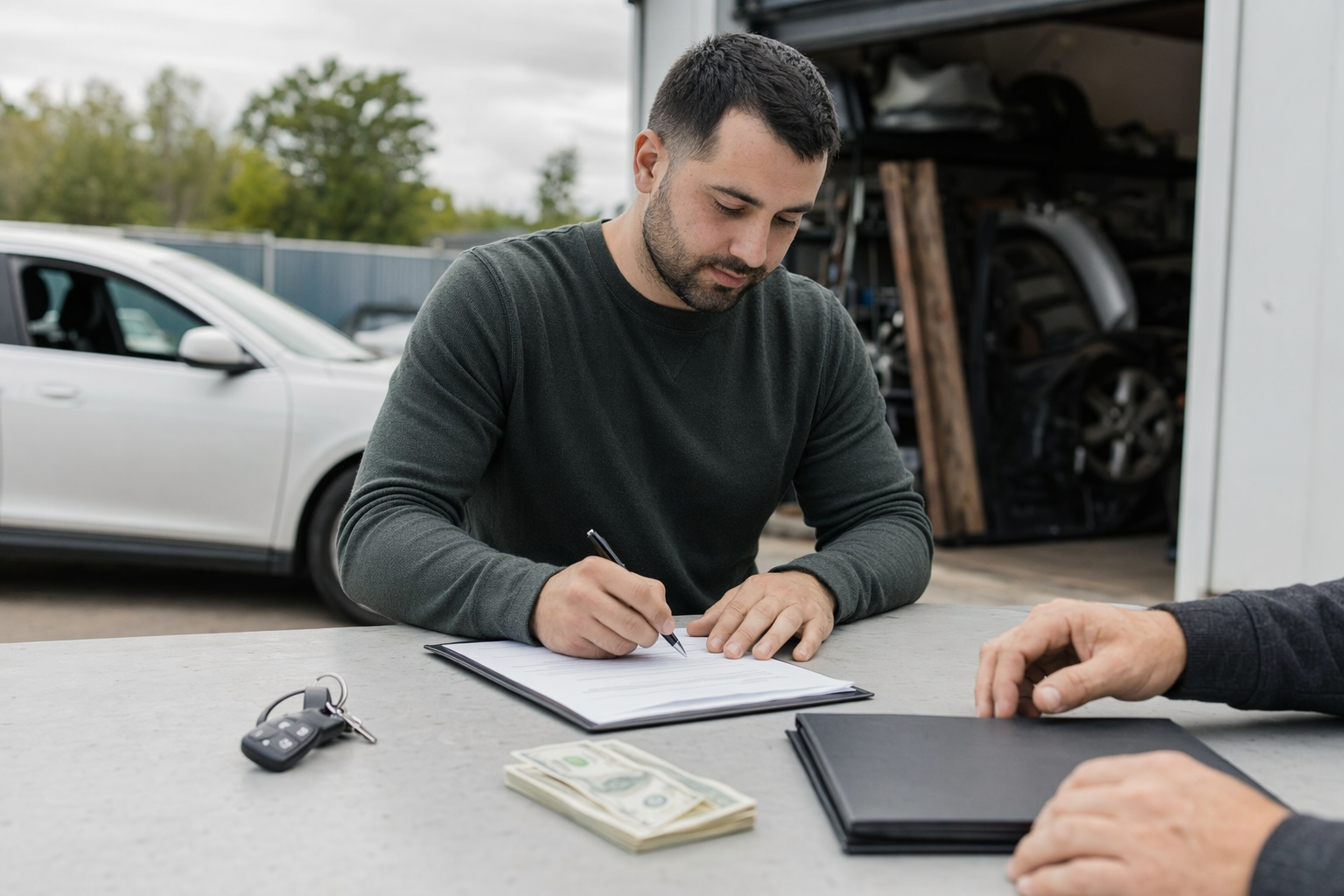
What this free checklist is
This download is a simple paperwork guide you can use before you sell a junk car, damaged car, flood car, or non-running vehicle for cash. It is meant to help you gather documents, spot common problems early, and avoid last-minute stress.
It is not legal advice and it is not a state DMV form. Title, lien, registration, and notice rules can be different from one state to another. Always check your own state's DMV rules before you sign anything or hand over the car.
If you are still figuring out your next step, you can compare options through the free matching service or learn more about title transfer basics.
What to check before pickup day
Use the checklist to review the basics before you meet any buyer.
- Find your title if you have it. Check that the name on the title matches your ID.
- Look for lien information. If a lender is listed, confirm whether the lien is still active.
- Gather basic vehicle details like year, make, model, and condition.
- Remove personal items from the car, trunk, glove box, and any storage pockets.
- Take off plates only if your state requires it. DMV rules vary by state.
- Ask for the full agreement in writing before pickup, including the amount, whether towing is included, and whether any fees apply.
- Verify the buyer's license and insurance yourself. Deal only with licensed, insured buyers.
A real cash offer depends on the year, make, model, condition, weight, location, and current scrap and parts prices. As a general guide, an older running car sold whole may bring about $300-$1,500, while a non-running car may be closer to $150-$600. Scrap-only vehicles often land around $100-$500. These are typical ranges, not guarantees.
If you want a clearer idea of how pricing works, see how junk car prices work.
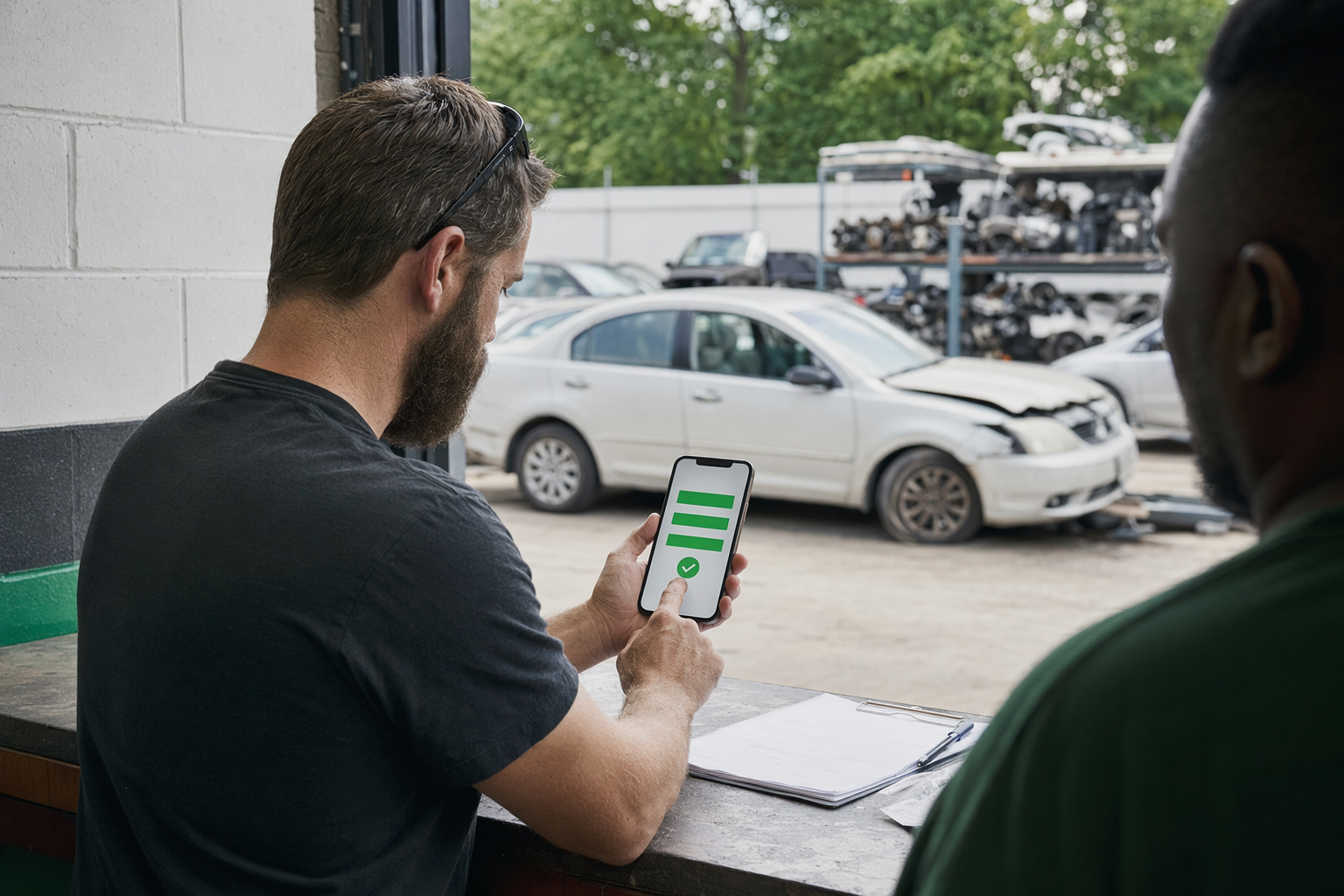
How to use the checklist the smart way
Do this in order:
- Download the checklist and read it once before you contact anyone.
- Fill in what you already know about the car and your paperwork.
- Mark anything missing so you can fix it early, not on pickup day.
- Use it while comparing buyers so you ask the same questions every time.
- Keep your title and keys with you until you are fully paid.
The biggest mistakes usually happen when people rush. They trust a verbal promise. They do not ask about towing. Or they hand over keys before payment clears. The checklist helps you slow down and confirm the important things in writing.
For example, if a buyer says towing is free, get that in writing. If they say the amount changes after pickup, ask exactly when and why. You can also review common junk car scams to avoid.
Good for sellers, and helpful if you are hunting used parts too
This tool is mainly for car owners getting ready to sell, but it also helps people who are trying to buy affordable used parts from licensed recyclers. Why? Because clean paperwork and clear vehicle details make it easier to match the right car to the right part.
If you are looking for a used engine or transmission, having the correct year, make, model, trim, and drivetrain details matters. Many used engines cost a few hundred dollars up to about $1,500 installed-ready, depending on the vehicle and condition. Used transmissions often run around $300-$1,200. Those are typical ranges, and real prices depend on availability, condition, and location.
Need parts instead of a cash buyer? Start here: find used auto parts or used engines and transmissions.
Download and use it with confidence
The checklist is free to use. ScrapRoute is a free matching service that helps you connect with licensed salvage yards, auto recyclers, and cash-for-cars buyers. You compare options. You choose who to deal with. You confirm everything before pickup or payment.
Before any handoff, remember these safety basics:
- Verify the buyer's license yourself
- Confirm towing and any fees in writing
- Never hand over the title or keys until you are paid
- Check your state DMV rules for title and lien requirements
When you are ready, download title-transfer-checklist.pdf and keep it with you while you make calls and compare offers.
Download the free checklist, gather your papers, verify the buyer's license and insurance, and do not give away the title or keys until you are paid and the full deal is confirmed in writing.
Common questions
Do I need a title to sell a junk car?
Sometimes yes, sometimes there may be other state-approved options, but the rules vary by state. Check with your own DMV before you move forward. This page gives general information only, not legal advice. Even if a buyer says they can handle it, verify the rules yourself and keep your title and ID safe.
Should I sign the title before the tow truck arrives?
Usually it is safer to wait until you have confirmed the deal in writing and you are being paid. Do not hand over the signed title or the keys before payment. Also confirm who the licensed buyer is, whether towing is included, and whether any fees will be deducted.
What paperwork should I keep after the sale?
Keep copies or photos of the title transfer paperwork, your written agreement, the buyer's business details, and any receipt or release document you receive. Then confirm any state DMV reporting steps that apply where you live. Requirements can differ by state.