Selling a Junk Car in Your Own Language
This is an anonymized, illustrative story based on common situations people face when trying to sell an old, damaged, or non-running car in the US. The point is simple: clear communication matters, but so do license checks, paperwork, and getting the details in writing before pickup.
The situation
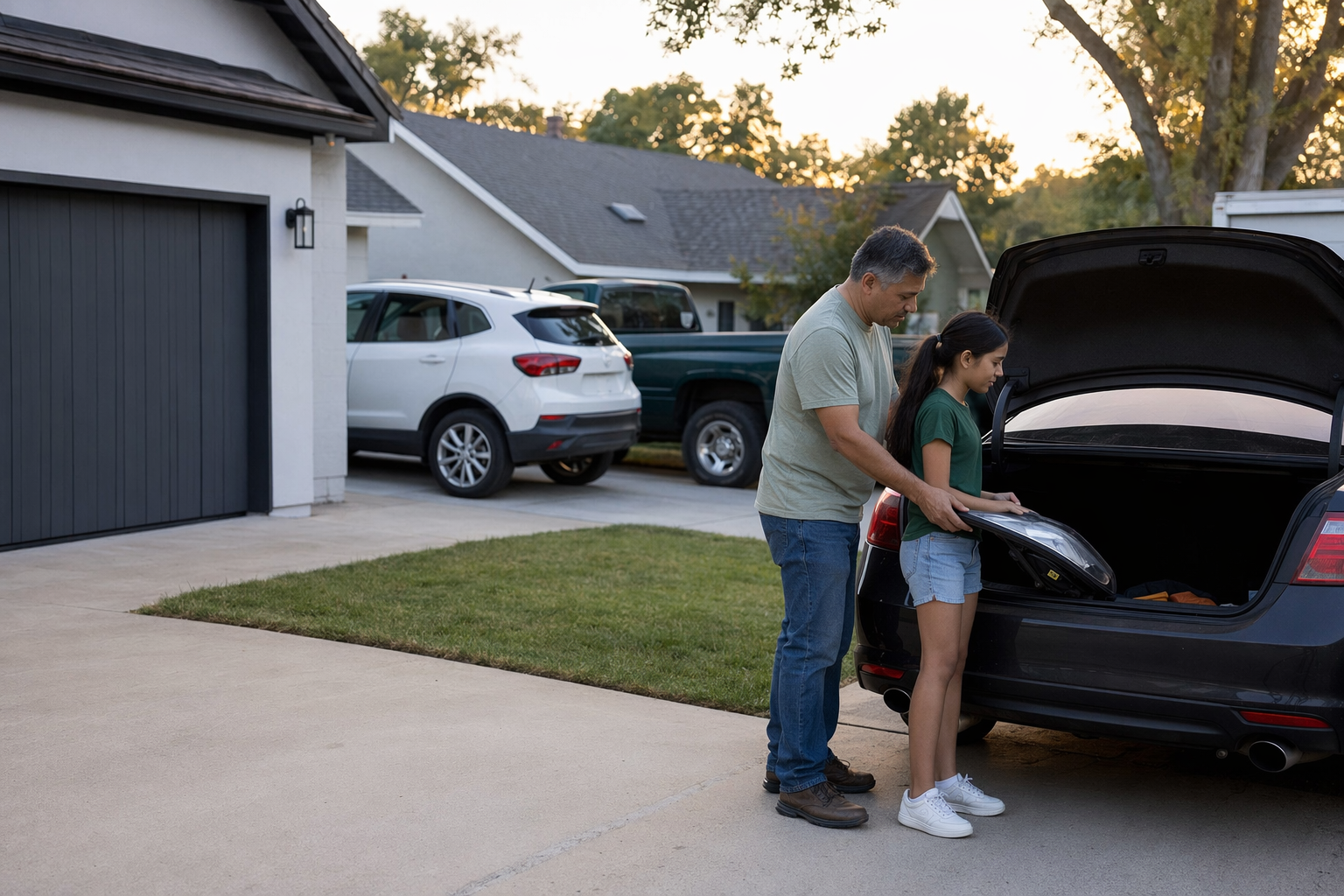
A car owner had an older sedan with front-end damage and a bad transmission. The car still had some value, but it was not worth repairing for daily use. English was not their first language, and that made the process stressful.
They were worried about a few things:
- getting a lowball number on the phone and a lower number again at pickup
- not understanding title paperwork
- agreeing to towing and then being charged a surprise fee
- handing over keys or title before the money was actually paid
They also heard very different price ranges from friends. That is normal. A rough car can bring very different amounts depending on the year, make, model, condition, weight, location, and current scrap and parts prices. For many older damaged cars, a typical range might be around $150-$900. If the car is only worth scrap, it may be closer to $100-$500. If it still runs and can be sold whole, it may be more. If you want a broader breakdown first, how junk car prices work can help set expectations.
What they did differently
Instead of taking the first number they heard, they used a free matching service to compare licensed buyers that serve their area. They focused on simple communication and wrote down every detail.
Here were the steps that helped most:
- They shared only basic vehicle and contact details to start.
- They asked each buyer to repeat the important points in simple language.
- They confirmed whether the car was being bought mainly for parts, repair value, or scrap weight.
- They asked if towing was included and requested that pickup terms and any fees be confirmed in writing.
- They checked that the buyer was licensed and insured, and verified the license themselves.
This part matters. ScrapRoute is only a free matching service. It does not buy cars, tow them, or handle title transfer. The owner still chooses who to deal with and must confirm the details directly.
For a similar step-by-step path, someone selling a disabled vehicle could start at sell a non-running car or request matches at get offer.
What nearly went wrong
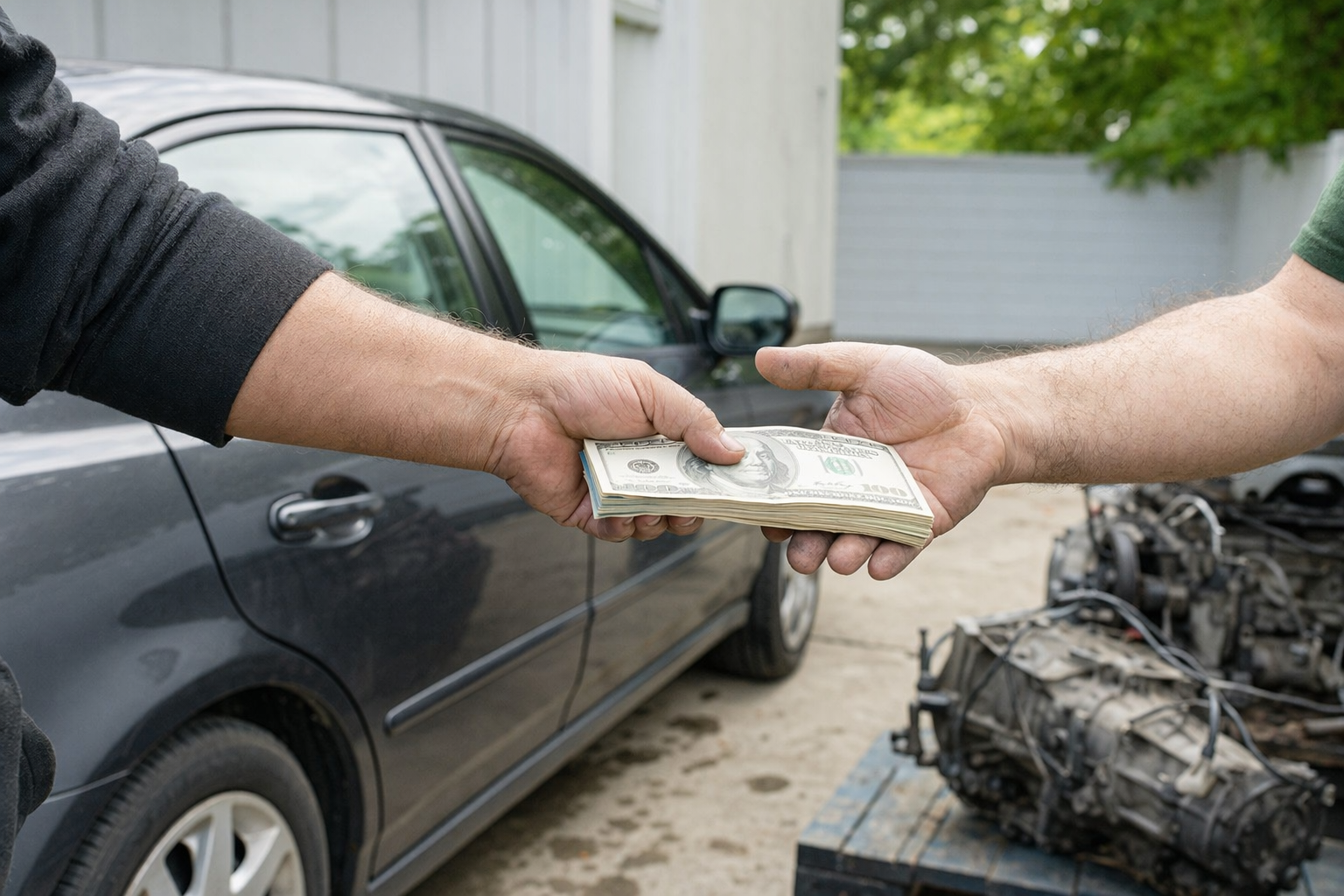
One buyer gave a higher number by phone than the others. At first that sounded best. But when the owner asked follow-up questions, the details got weak.
Problems showed up fast:
- The buyer would not clearly confirm towing terms in writing.
- They were vague about what documents were needed.
- They pushed for a fast pickup before the owner felt comfortable.
- They did not answer clearly when asked to verify licensing.
That was the turning point. A big number means very little if the terms are unclear.
The owner chose a lower but more believable range from a licensed buyer who explained the process plainly. The final amount landed within the typical range for a damaged older car, not at the top end. That may not sound exciting, but it was honest. There was no surprise deduction for towing, and the owner knew what to expect before pickup.
This is where many people get burned: not by the first number itself, but by unclear terms, pressure, and missing paperwork. If you want to see common red flags, read avoid junk car scams.
How the pickup and payment were handled
The safest part of this story was not the price. It was the order of events.
Before pickup, the owner made sure they understood:
- who was coming
- when they were coming
- what payment method would be used
- whether towing was included
- what title or DMV paperwork might be needed in that state
At pickup, they followed a few basic rules:
- They kept the title and ID secure.
- They did not hand over the title or keys until they were paid.
- They checked that the written terms matched what had been discussed.
- They confirmed the buyer identity before releasing the car.
Title and lien rules vary by state. Some states are stricter than others, especially if the title is missing, signed wrong, or has an open lien. That is why owners should confirm their own state's rules with the DMV. This is general information, not legal advice.
If your biggest concern is paperwork, title transfer help is a good starting point.
The outcome
The owner did not get a miracle price. They got something better: a realistic deal they could understand.
The car was removed without confusion. The payment matched the written terms. The owner avoided extra towing charges and did not feel rushed into signing anything they did not understand.
Just as important, they learned that language barriers do not mean you have to accept a bad deal. You can slow the process down. You can ask for plain wording. You can compare options. And you can walk away if the details do not feel right.
That same lesson applies on the other side of ScrapRoute too. If you are trying to keep an older vehicle on the road, comparing sources for used auto parts can save real money, especially for major repairs.
Takeaway for anyone selling in a second language
If English is not your first language, focus on clarity, not speed.
A good practical checklist is:
- Compare more than one buyer.
- Ask for the amount, towing terms, and any fees in writing.
- Verify that the buyer is licensed and insured.
- Keep your title and keys until you are paid.
- Check your state's DMV rules before pickup if you are unsure about title requirements.
That will not guarantee the highest price. But it can help you avoid the worst mistakes.
For many people, the goal is not finding a perfect deal. It is finding a fair, understandable, safe one.
If you are selling a junk car in your second language, do not rush. Compare licensed buyers, get the details in writing, keep your title and keys until you are paid, and check your state's DMV rules before pickup.
Common questions
Can I sell a junk car if I do not speak English well?
Yes. Many owners do. The key is to slow the process down and confirm important details in plain language. Compare more than one buyer, ask for the amount, towing terms, and any fees in writing, and verify the buyer's license yourself before pickup.
How much is a damaged or non-running car usually worth?
It depends on the year, make, model, condition, weight, location, and current scrap and parts prices. As a rough guide, a non-running car may be around $150-$600, a wrecked or flood car around $150-$900, and scrap-only around $100-$500. These are typical ranges, not offers or guarantees.
What should I never do at pickup?
Do not hand over the title or keys until you are paid. Do not assume towing is free unless it is confirmed in writing. Do not ignore license verification. And do not guess about title rules if you are unsure, because DMV and lien rules vary by state. Confirm your state's requirements directly with the DMV.