An Owner Who Sold a Dead Car in a Weekend
This is an **anonymized, illustrative** story based on a common situation. It shows how one owner handled a dead car the simple way: compare options, ask the right questions, and confirm everything before pickup.
The situation: a car that was done
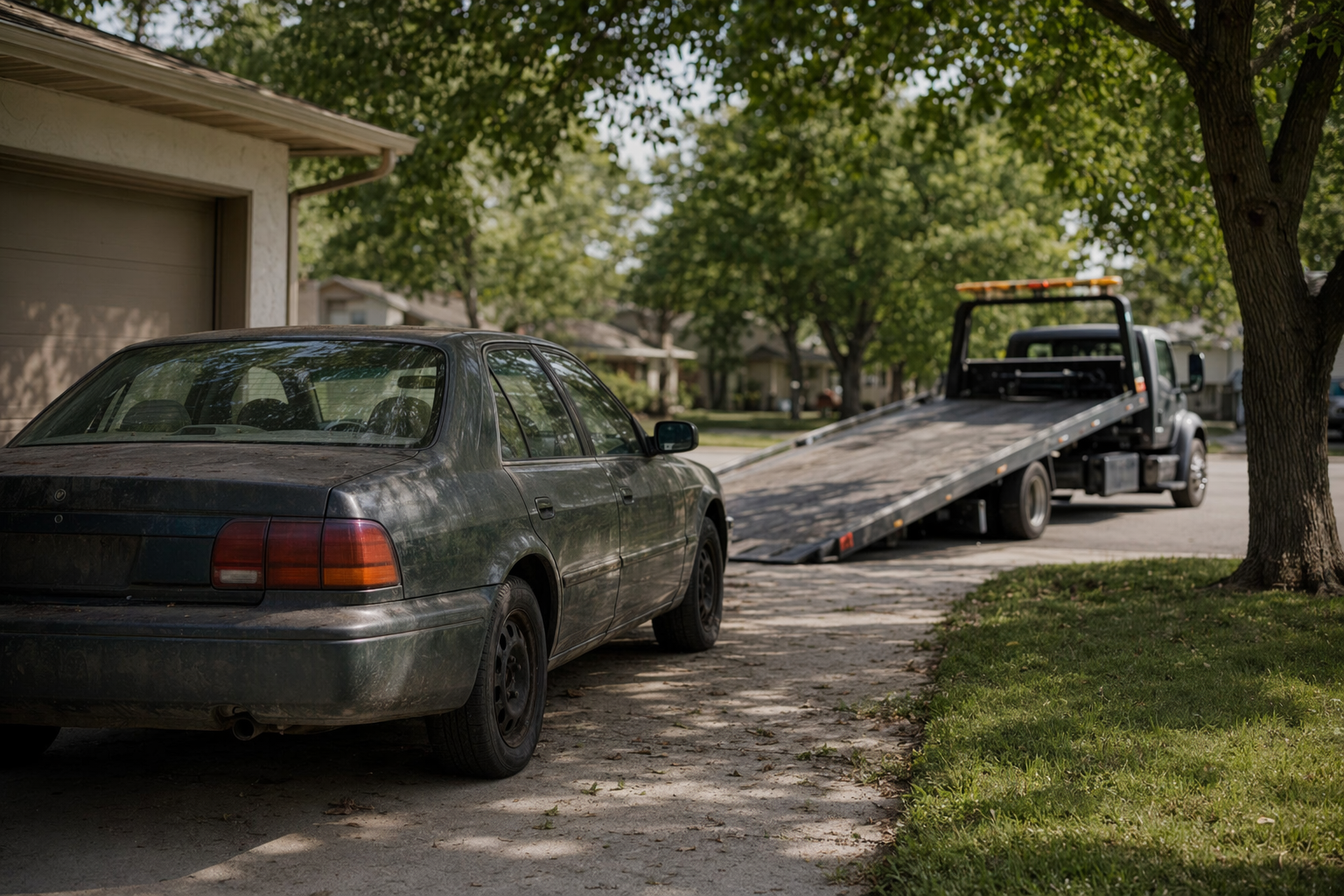
The owner had an older sedan with a dead engine, expired insurance, and no real plan. The car had been sitting for months. It would not start. A repair shop had already said the engine replacement could cost more than the car was worth.
At that point, the choice was not between fixing it and getting rich. It was between spending more money, letting it sit longer, or selling it for a fair cash estimate based on its real condition.
This owner did what many people do first: searched online, saw big promises, and got confused fast. Some places made it sound easy, but the details were fuzzy. Would towing really be free? Would the price change at pickup? What paperwork would be needed?
Instead of rushing, the owner decided to compare licensed local options through a free matching service and read a quick guide on how junk car prices work. That helped set realistic expectations. For a dead, non-running older car, a typical range might be about $150-$600, depending on the year, make, model, condition, weight, location, and current scrap and parts prices. It was not a promise. But it was a useful starting point.
What they did differently
The owner did three smart things that made the weekend go smoother.
- Asked for details in writing. Not just the amount. They asked what the number depended on, whether pickup was included, and whether any fees could come out later.
- Checked licensing themselves. They only wanted to deal with a licensed, insured buyer and did not rely on a verbal claim.
- Kept control of the paperwork. They kept the title and keys safe and planned not to hand either over until payment was made.
They also kept the request simple. They shared basic vehicle and contact details, plus honest facts about the car: non-running, dead engine, cosmetic wear, and where it was parked. No overselling. No hiding damage. That matters because surprises at pickup often lead to arguments.
For owners in the same spot, start here if the car will not run. If the title situation is unclear, review title transfer basics and then confirm your state's exact rules with the DMV. State title and lien rules vary. This is general information, not legal advice.
How the weekend played out
By Friday evening, the owner had heard back from a few matched buyers. The numbers were not identical. One was lower but could pick up fast. Another was a bit higher but wanted more photos and could not come until Monday. A third sounded fine at first, but would not clearly confirm towing terms in writing.
So the owner compared more than the top number. They looked at:
- Written confirmation of the estimated amount
- Whether towing was included or if any fee might be charged
- Pickup timing
- How payment would be made
- Whether the buyer sounded clear and professional on the phone
By Saturday morning, they chose the option that was not the absolute highest, but the clearest and safest. The buyer confirmed the pickup window, the expected paperwork, and that there were no surprise towing charges based on the information provided.
Before pickup, the owner removed personal items, took photos of the car, and double-checked the title. They also reviewed scam red flags in this guide.
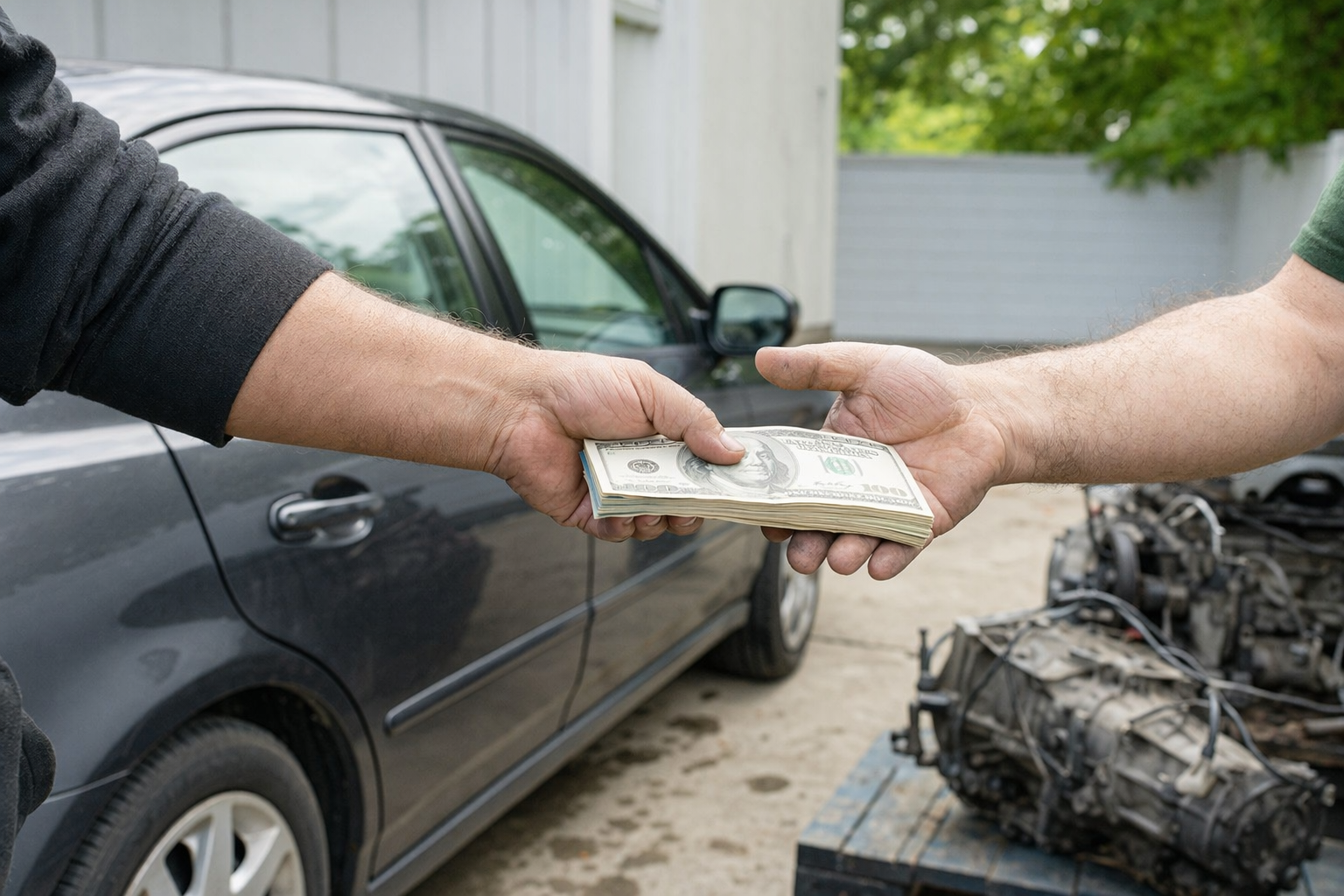
When the truck arrived, the owner made sure the buyer's details matched what had been discussed. They confirmed the amount again before loading the car. Only after payment was in hand did they release the keys and title.
That simple order matters: confirm, get paid, then hand over the car.
The outcome and the real takeaway
The owner sold the car that weekend and stopped paying attention to a vehicle that had become a headache. The final amount landed within the normal range for a dead older car in that area. It was not a miracle number. It was just fair enough, with less stress and no last-minute surprises.
That is the real lesson here. A smooth sale usually comes from process, not luck.
What helped most:
- Realistic expectations about value
- Comparing more than one buyer
- Verifying license and insurance
- Getting the towing and payment terms in writing
- Not handing over the title or keys until paid
And one more thing: sometimes a dead car is worth more in parts than as scrap, especially if major components are still usable. If you are trying to fix another vehicle instead of selling one, ScrapRoute can also help you find used parts through licensed auto recyclers. Typical used engines and transmissions can range from a few hundred dollars to around $1,500 or more depending on the vehicle, mileage, condition, and whether they are sold installed-ready.
The short version: you do not need to be an expert. You just need to slow down, compare options, and keep control of the deal.
If your car is dead, do not rush. Compare a few licensed buyers, get the amount and towing terms in writing, verify the license yourself, and do not hand over the title or keys until you are paid.
Common questions
How much can a dead car usually sell for?
A dead, non-running car often lands around **$150-$600** as a typical range, but that is only an estimate. The real cash offer depends on the year, make, model, condition, weight, location, and current scrap and parts prices. Some heavier vehicles may bring more by weight, while some badly stripped vehicles may bring less.
Should I take the highest number I hear first?
Not always. A slightly higher estimate is not always the best deal if the buyer will not confirm towing, pickup timing, payment method, and any fees in writing. Compare the full terms, deal only with **licensed, insured buyers**, and verify the license yourself before pickup.
What should I do with the title and keys?
Keep both safe until you are **paid**. Do not hand over the title or keys early. Confirm the amount, towing, and any fees in writing before pickup. Title and lien rules vary by state, so check with your DMV for your exact requirements. This is general information, not legal advice.